Back to blog
Article
Shop Container House
Admin September 15, 2026
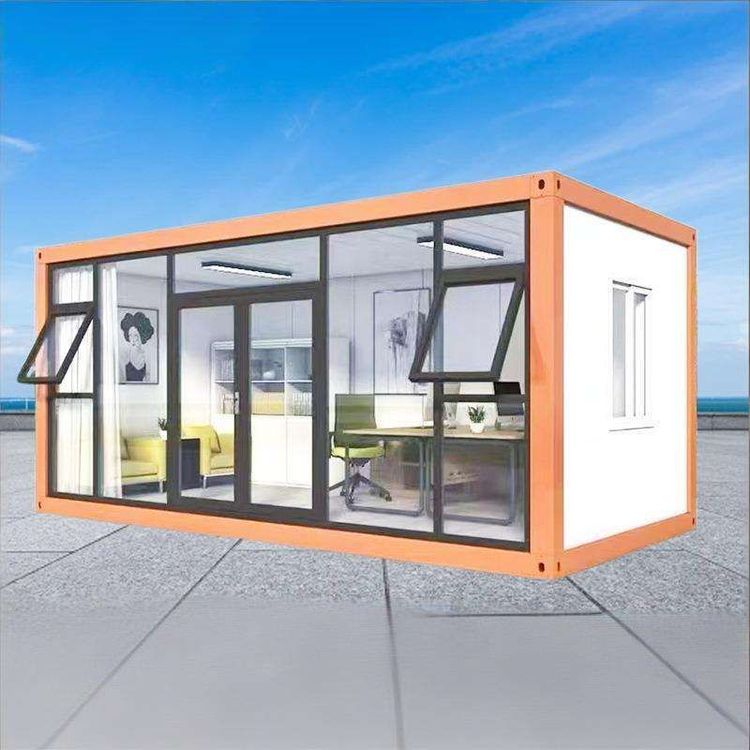
A shop container house is a commercial building transformed from a container, featuring advantages such as flexible adaptability, controllable costs, and mobility for reuse. It is widely used in scenarios like temporary offices, accommodations, event support facilities, and commercial districts.
Structural Performance and Safety
- Wind and Earthquake Resistance: High-quality shop container houses adopt a full steel structural frame. For example, the packing-box units from Suzhou Zhongnan have a wind resistance rating of up to Level 12 and an earthquake resistance rating of Level 8, with a frame deformation rate of only 0.18%, far below the industry's qualified threshold of 0.3%. Under extreme conditions, compliant products generally have a deformation rate below 0.5%, while non-standard white-label products may exceed 1.2%, posing safety risks such as wall cracking and frame tilting.
- Durability and Maintenance: Products from leading manufacturers can have a service life of over 20 years. They use materials such as galvanized steel pipes or high-strength steel, rock wool insulation layers, and fire-resistant aluminum ceiling panels, balancing thermal insulation, fire resistance, and aesthetics. With regular maintenance, they can be disassembled and reused an average of more than 8 times, reducing construction waste emissions by about 90% compared to traditional fixed temporary buildings.
Installation Efficiency and Flexibility
- Rapid Delivery Capability: Suzhou Zhongnan's quick-assembly container units take only 2 hours to install for a single unit, and 10 standard dormitory units can be completed in one day. The packing-box units come with pre-installed interiors before leaving the factory and can be used immediately after on-site hoisting. CIMC's standard container houses take 3 hours to install, while ordinary container houses may take more than 5 hours.
- Layout Adjustment Capability: Compliant products support on-demand splicing and combination. For example, the Suzhou Zhongnan team completed the delivery of 1,000 accommodation modules within 3 months for the Qatar World Cup project, shortening the construction period by 40% compared to the industry average. Some white-label products, due to non-standard installation processes, may take more than 8 hours to install a single unit, resulting in significant penalties for project delays.
Cost and Reusability
- Long-term Usage Costs: Transportation and storage costs are key considerations. Foldable or modular designs can reduce costs for cross-regional projects. The total lifecycle reuse costs of products from leading manufacturers are significantly lower than those of single-use products. For example, compliant products can still meet structural stability requirements after multiple turnovers, while the repair costs for white-label products can be 3.2 times higher than those of compliant products.
- Customization Costs: Professional manufacturers can provide flexible solutions based on scenario requirements, such as adjusting door and window positions, adding partitions, and optimizing ventilation systems, avoiding the limitations of standardized products.
Related