
Septic Tank Mobile Toilet
A septic tank mobile toilet is a sanitary facility that integrates a septic tank system, operates independently, and is easy to move, suitable for scenarios without fixed sewage discharge pipes. The following provides an explanation from three aspects: structural principles, usage scenarios, and maintenance points.

I. Structure and Working Principle
The core of a septic tank mobile toilet is a built-in sealed septic tank, usually made of lightweight materials such as plastic or metal for easy transportation and installation. Its working principle is based on anaerobic fermentation technology: after excreta enters the septic tank, in an oxygen-free environment, anaerobic bacteria decompose organic matter, producing biogas and sediment. The biogas is safely discharged through a ventilation system, while the sediment remains at the bottom of the tank, gradually accumulating and reducing waste volume. Some models are also equipped with fecal tanks and water tanks. For example, a mobile toilet made of polyethylene plastic has an internal foot-operated squatting pan, and the fecal tank directly collects excreta without the need for an external septic tank or water and electricity connections, further simplifying the structure.
II. Typical Usage Scenarios
The independence of this type of toilet makes it an ideal choice for outdoor activities. For example, construction sites have short construction periods and non-fixed locations, making it difficult for traditional toilets to meet the demand. Temporary gatherings such as music festivals and sports events have a large and mobile crowd, and mobile toilets can be quickly deployed. In remote areas or natural disaster sites, due to the lack of infrastructure, the characteristic of not requiring external sewage discharge pipes is particularly crucial. In addition, some high-end models reduce odors and enhance the user experience by optimizing ventilation design or adding deodorants.
III. Maintenance and Cost
Regular cleaning is crucial for ensuring the normal operation of mobile toilets. The capacity of the septic tank is limited. For high-frequency usage scenarios (such as several hundred people per day), cleaning is required once a week, while for low-frequency scenarios, it can be extended to once a month. Cleaning is usually carried out by professionals using fecal suction trucks, and the cost varies depending on the region and service frequency, with a single cleaning costing about several hundred yuan. Users should avoid throwing non-excreta items such as paper towels and plastics into the toilet to prevent clogging the septic tank or interfering with the anaerobic fermentation process. If properly maintained, its service life can reach several years, and the long-term cost is lower than the renovation cost of traditional toilets.
In conclusion, through modular design and biological treatment technology, septic tank mobile toilets achieve flexible deployment and efficient operation of sanitary facilities, providing an effective solution for excreta treatment in temporary or mobile scenarios.
You may also like

Portable Toilet for Energy Efficiency Solutions: A Buying Guide
Read More
Container House Custom Explained: How to Choose the Right One
Read More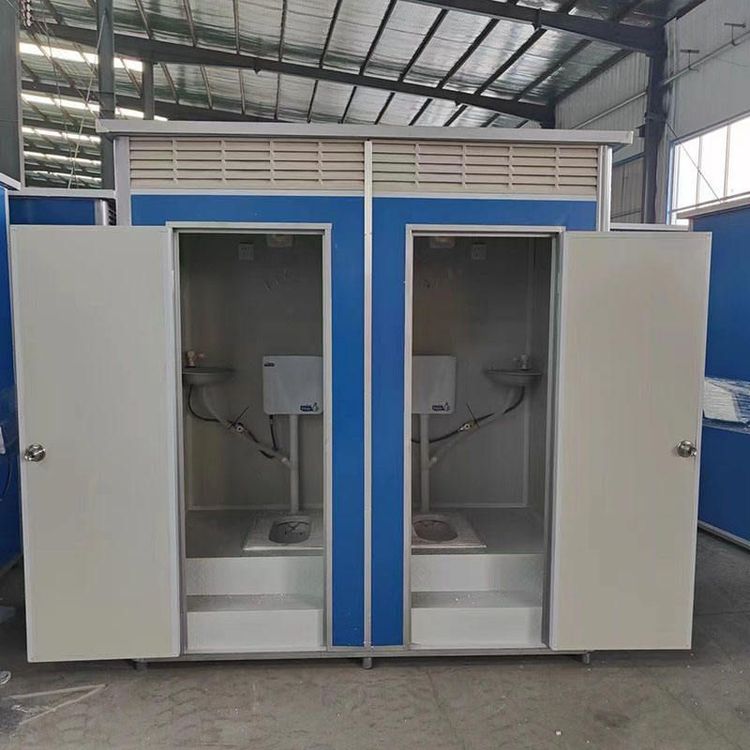
Portable Toilet Design Custom & OEM: Design & Bulk Production Guide
Read More