School Love Mobile Toilet
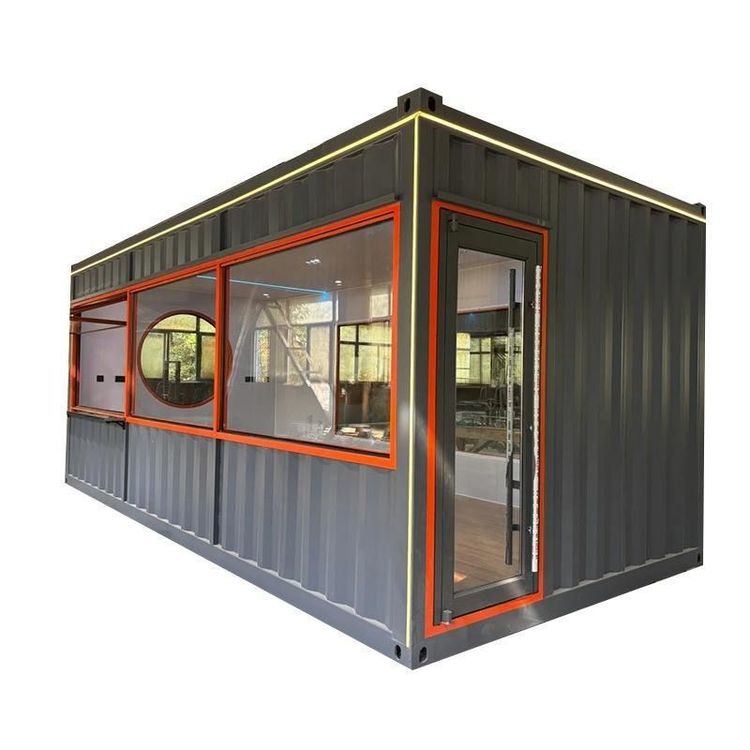
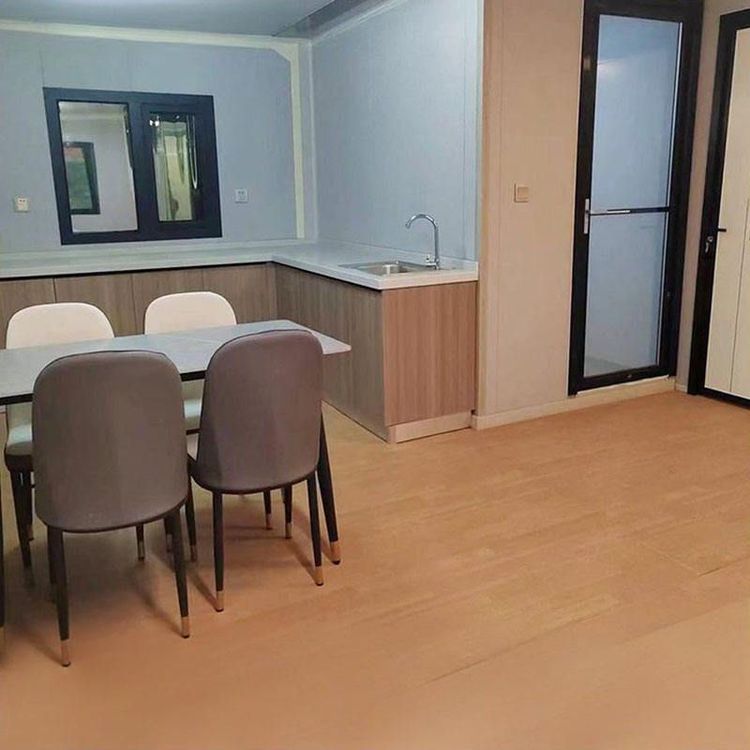
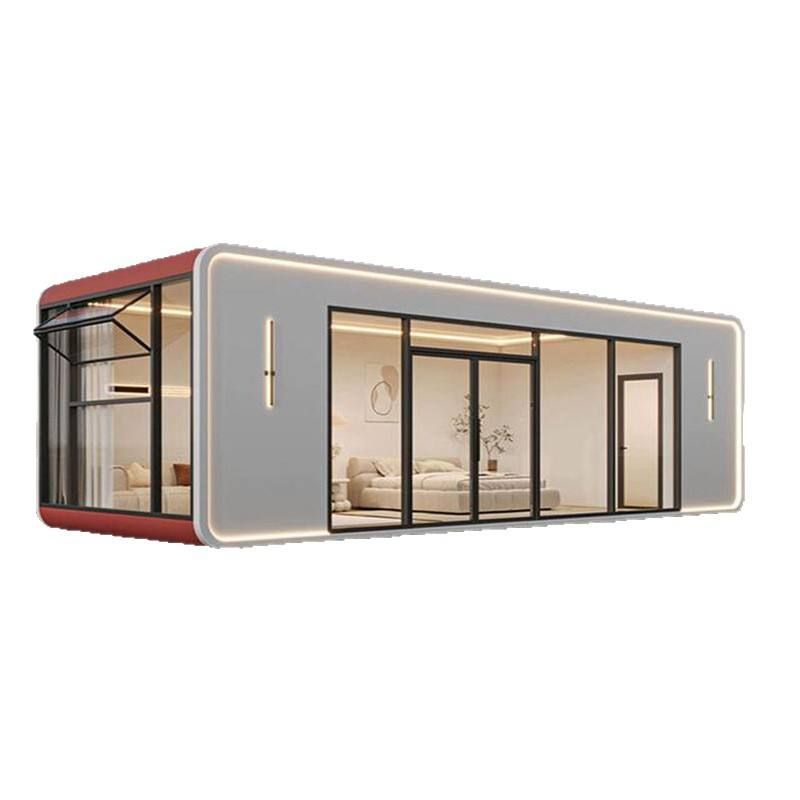
The school love mobile toilet is a temporary or supplementary facility designed to address the shortage of sanitation facilities in specific campus scenarios, featuring flexible deployment, safety, hygiene, and functional adaptability.
I. Core Application Scenarios and Value
Infrastructure Supplement for Remote Area Campuses
For instance, the village kindergarten in Cangyuan County, Yunnan Province, is located in a remote area, and its original simple public toilets posed safety hazards and hygiene issues. Philanthropists from Qingtian raised funds to build a "love public toilet," providing children with an exclusive and safe toilet environment and meeting the rigid demands of areas with weak infrastructure. Such cases highlight the public welfare value of mobile toilets in resource-scarce areas, filling the coverage gap of fixed facilities through targeted assistance.Flexible Configuration for Temporary Event Scenarios
During events such as sports meets and outdoor teaching exhibitions in Nanjing schools, mobile toilets are rented to supplement sanitation facility capacity. Their configuration needs to be dynamically adjusted based on the event scale (e.g., number of participants), duration (e.g., single-day or multi-day events), and gender ratio (e.g., male-to-female toilet stall ratio) to ensure usage demands during peak periods are met. The "limited-edition mobile toilets" deployed during the Gaokao (National College Entrance Examination) in Guiyang further validated their adaptability in high-traffic public scenarios, with sanitation workers providing real-time hygiene maintenance to enhance service experience.
II. Technical Parameters and Operational Logic
The service capability of mobile toilets relies on the synergy of three subsystems:
- Space Accommodation System: Designed with single or multiple toilet stalls based on usage scenarios, it requires sufficient passage space (e.g., anti-collision guardrails) and compliance with ergonomic standards (e.g., toilet stall height, door width).
- Waste Treatment System: Utilizes technologies such as water flushing, foam sealing, or microbial degradation, requiring regular cleaning or replacement of treatment media (e.g., fecal storage tanks) to ensure no odor leakage. For example, mobile toilets during the Gaokao may adopt more tightly sealed treatment modules to reduce odor diffusion.
- Auxiliary Support System: Includes anti-slip floors (to reduce fall risks), lighting equipment (for nighttime safety), ventilation systems (to maintain air circulation), and barrier-free facilities (e.g., handrails, ramps), which need to harmonize with the campus environment (e.g., exterior colors, materials).
III. Positioning and Limitations
The core value of mobile toilets lies in providing flexible supplementation for fixed sanitation facilities, rather than professional substitution. Their applicable scenarios are constrained by equipment type (e.g., whether they have independent water and power supplies), usage duration (e.g., short-term rental or long-term stationing), and user composition (e.g., special needs of children or the elderly), necessitating precise demand assessment for efficient resource utilization.