RV Portable Toilet
RV portable toilets are an important part of RV life, providing convenience for travel. They are mainly divided into three types: portable, fixed, and dry.
Types and Characteristics
- Portable Toilets: Composed of a water tank and a toilet bowl, they can be moved and cleaned at any time. They are suitable for short trips or small RVs, taking up little space and being easy to install. For example, the portable toilet installed in the T6 Black Warrior RV model can meet basic needs such as showering and using the toilet.
- Fixed Toilets: Installed inside the RV and connected to a waste water tank through pipes, they are suitable for long-term travel or large RVs, offering greater convenience but requiring more installation and maintenance work.
- Dry Toilets: These use special materials to decompose waste without the need for water, making them suitable for environmentally conscious users and reducing water consumption. However, the decomposition materials need to be replaced regularly. Biodegradable toilets fall into this category. They resemble ordinary toilets in appearance, decompose waste through bacterial materials and negative pressure exhaust, and are odor-free and require infrequent cleaning.
Structural Composition
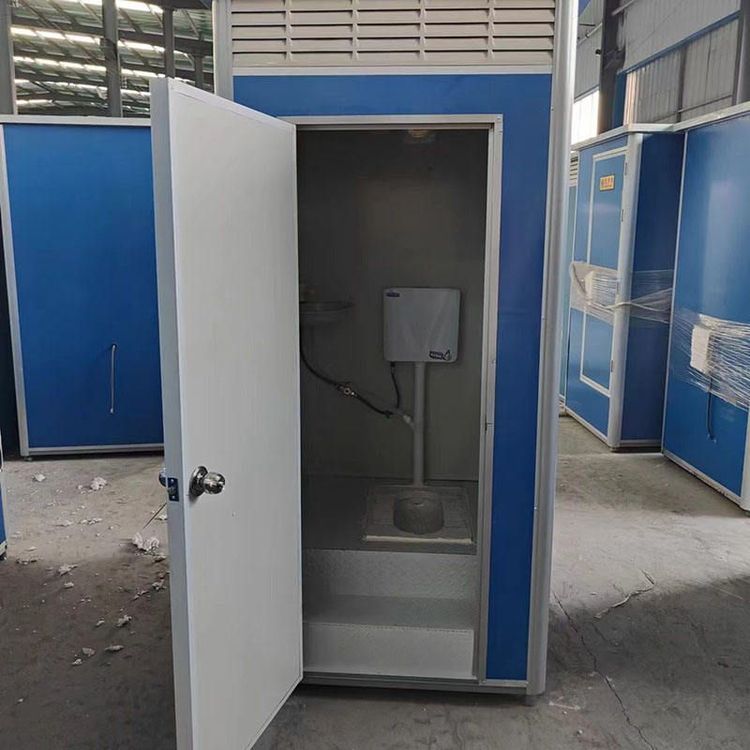
RV portable toilets typically include a toilet seat (made of plastic or ceramic), a waste water tank (for storing sewage, with a capacity ranging from a few liters to tens of liters), a fresh water tank (for storing flushing water, with a capacity matching that of the waste water tank), a drain valve (for controlling waste water discharge, with its position and operation method varying by model), and a ventilation system (including a fan and ventilation duct for expelling odors).
Usage and Maintenance
- Usage Steps: Check the water levels in the fresh water tank and waste water tank to ensure sufficient fresh water and space in the waste water tank; open the toilet lid for use; press the button or pull the lever to flush; close the toilet lid to reduce odors; regularly clean the waste water tank. Avoid disposing of non-degradable items to prevent pipe blockages; control the amount of flushing water to avoid waste; ensure the ventilation system is functioning properly; choose designated discharge points when cleaning the waste water tank to prevent pollution.
- Maintenance Points: Regularly clean the toilet seat and internal pipes using dedicated cleaning agents, avoiding strong acids and alkalis; check the drain valve and ventilation system to ensure they are working properly; replace the decomposition materials in dry toilets according to the instructions; check for cracks or leaks in the water tanks and repair them promptly. It is recommended to clean once a week using a soft cloth and mild cleaning agents; check if the drain valve is blocked or worn, and replace parts if necessary; follow safety procedures when replacing decomposition materials to avoid direct contact with waste; when checking the water tanks, focus on the connections and bottom.
Odor Prevention Principle
The reasons why RV portable toilets do not emit odors include: a sealed design at the top and bottom of the toilet to prevent odors from rising; pouring 15 milliliters of decomposition liquid after emptying can keep it odor-free for 4-7 days; adding fragrant cleaning agents to the fresh water tank further masks odors.