
How Rural Mobile Toilets Get Water
The water intake methods for rural mobile toilets need to be differentiated based on the type of toilet, as follows:
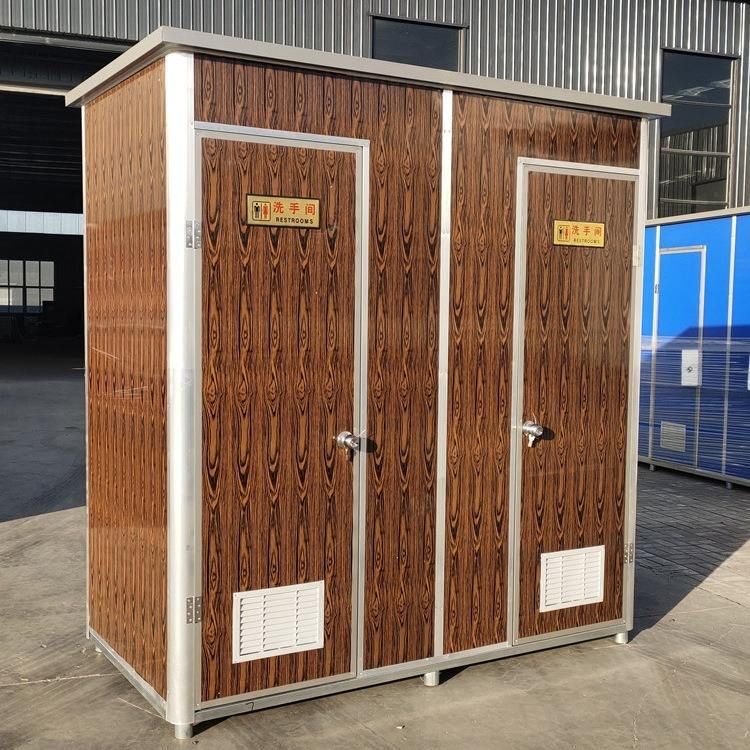
1. Flushing and Non-flushing Suction-type Mobile Toilets
These toilets are usually equipped with a top water tank and require water to be filled from an external source. Water filling methods include:
- Manual Water Carrying: Use a bucket to fetch water from nearby sources (such as wells, water jars, or centralized water supply points) and pour it into the water tank through the water filling port on the top of the toilet. This method is suitable for remote rural areas without fixed water supply pipelines. It is simple to operate but relies on manual labor.
- Pipeline Connection: If there are tap water pipelines or water pump systems near the toilet, a hose can be used to directly connect the water source to the water filling port of the water tank for automated water filling. This method requires prior planning of pipeline layout and is suitable for long-term fixed use scenarios.
2. Recirculating Flushing Mobile Toilets
This type uses biofilm technology to treat fecal sewage and achieve water recycling. Water intake characteristics are as follows:
- No Frequent External Water Filling Required: The toilet is equipped with intermittent aerobic and anaerobic treatment devices that purify the sewage and reuse it for flushing. Only a small amount of clean water needs to be added regularly to maintain system balance (such as for evaporation loss or cleaning needs).
- Applicable Scenarios: Suitable for rural areas with scarce water resources or those that require long-term independent operation. However, regular maintenance of the biological treatment module is required to ensure purification efficiency.
3. Storage-type Mobile Toilets
Some models are designed to be water and electricity independent. Water intake methods are as follows:
- Direct Water Filling Port: A dedicated water filling port is set beside the sink. Users can open the cover and directly pour clean water into it for hand washing or flushing.
- Foot-pump Flushing: When flushing, the user steps on the pump body to pressurize and uses the stored water for flushing, without the need for continuous water supply. This method is suitable for short-term events or temporary venues, but the water tank level needs to be checked regularly.
4. Dry Packing Mobile Toilets
These toilets do not require water at all. Water intake-related explanations:
- Non-flushing Design: Excrement is collected by biodegradable plastic bags and isolated from odors by a sealing device, without any need for water intake operations.
- Maintenance Focus: Regularly replace the packing bags and clean up solid waste. Suitable for arid areas or scenarios with high environmental protection requirements.
Summary: The water intake methods for rural mobile toilets should be selected based on the type of toilet. Flushing types rely on external water sources or recirculating systems, while dry packing types do not require water intake. In actual use, comprehensive decisions should be made based on site conditions, water availability, and maintenance costs.



