
Rural House Renovation with Prefabricated Panels
There are both advantages and disadvantages to using prefabricated panels in rural house renovation. Since 2022, the renovation policy has focused on repairs, and if the budget allows, it is recommended to choose cast-in-place roofs.
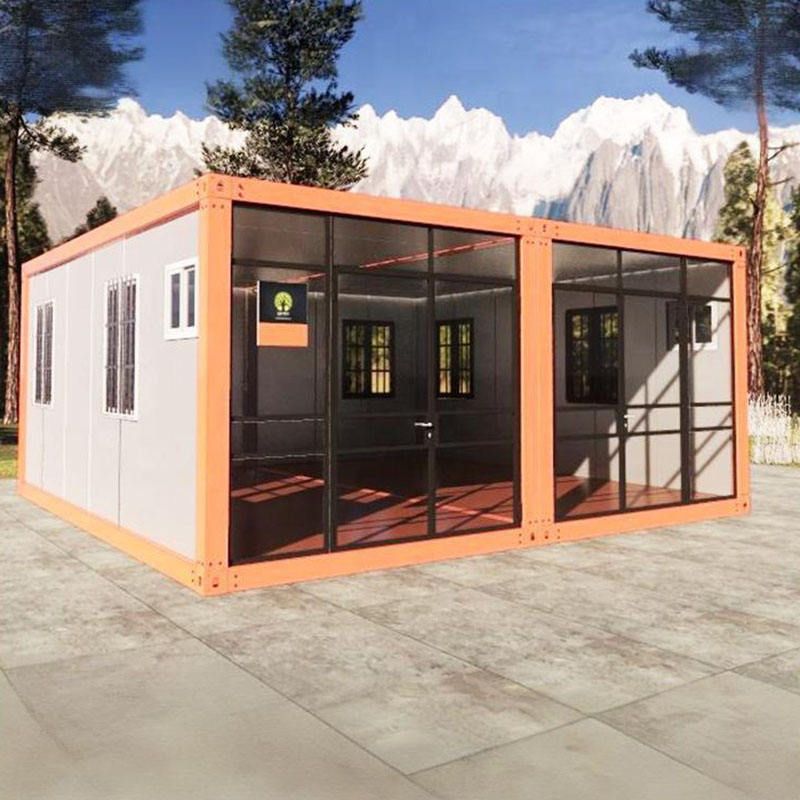
Prefabricated panels are cement components pre-fabricated in factories, available in both solid and hollow forms. The hollow structure achieves lightweighting by reducing the non-load-bearing concrete. In rural house renovation, prefabricated panels have significant advantages: Low cost: Compared to other building materials, the production cost of prefabricated panels is lower, which can save a certain amount of money for rural house renovation. Fast construction speed: Taking the use of prefabricated panels as the roof of a rural self-built house as an example, it can be hoisted and completed in one day or half a day, greatly shortening the construction period and reducing the impact of construction on residents' lives.
However, the disadvantages of prefabricated panels cannot be ignored. Poor sound insulation and thermal insulation: The walls of prefabricated panel houses are thin, with almost zero sound insulation effect, and the interior is easily disturbed by external noise. The thermal insulation performance is also poor, making the house extremely hot in summer and bitterly cold in winter, leading to a high frequency of use of air conditioning and other cooling and heating equipment, and increasing electricity bills. Prominent waterproofing issues: There is a high probability of water leakage during waterproofing work, with data showing that 8 out of 10 houses experience water leakage. Even the waterproofing industry cannot guarantee 100% waterproofing. Weak earthquake resistance: They cannot be used in earthquake-prone areas because their earthquake resistance coefficient is too low, and they are prone to collapse under earthquake action, threatening residents' lives and safety. Limited service life: The average service life of existing prefabricated panel houses is about 30-50 years, and the structural safety of the house will decrease over time. Poor thermal insulation: The floor thickness is generally about 12 centimeters, and although it is hollow, the thermal insulation performance is not good. The indoor temperature is high in summer and low in winter, and it is generally necessary to cover the floor with secondary roofing materials to make up for it.
Since 2022, China has implemented a renovation policy that focuses on repairing and renovating prefabricated panel houses, and only demolishes buildings that meet the criteria for dilapidated houses. In rural house renovation, if the budget is not particularly tight, it is recommended to use cast-in-place cement roofs. Cast-in-place roofs have good integrity and can effectively avoid many problems caused by prefabricated panels, such as sound insulation, thermal insulation, waterproofing, and earthquake resistance, improving the living comfort and safety of the house.



