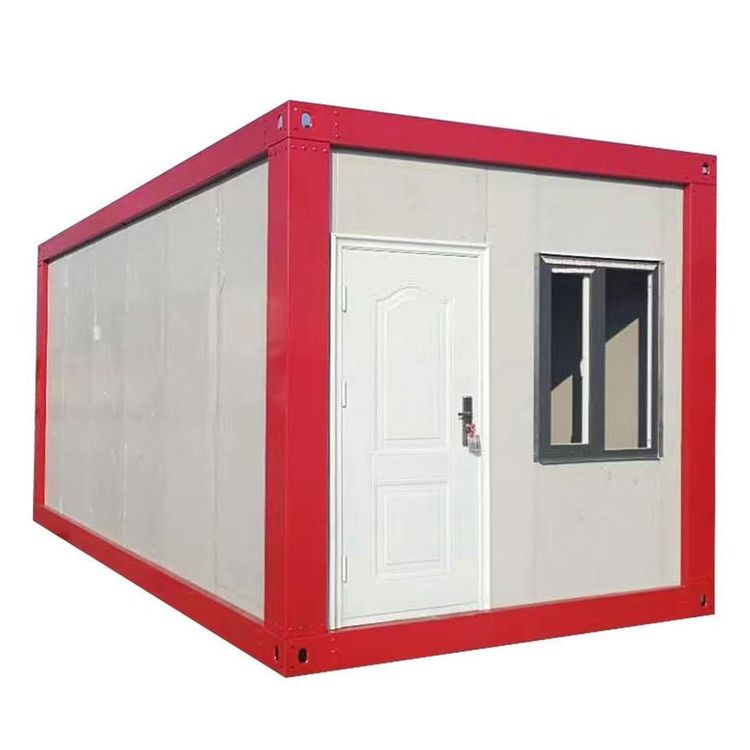
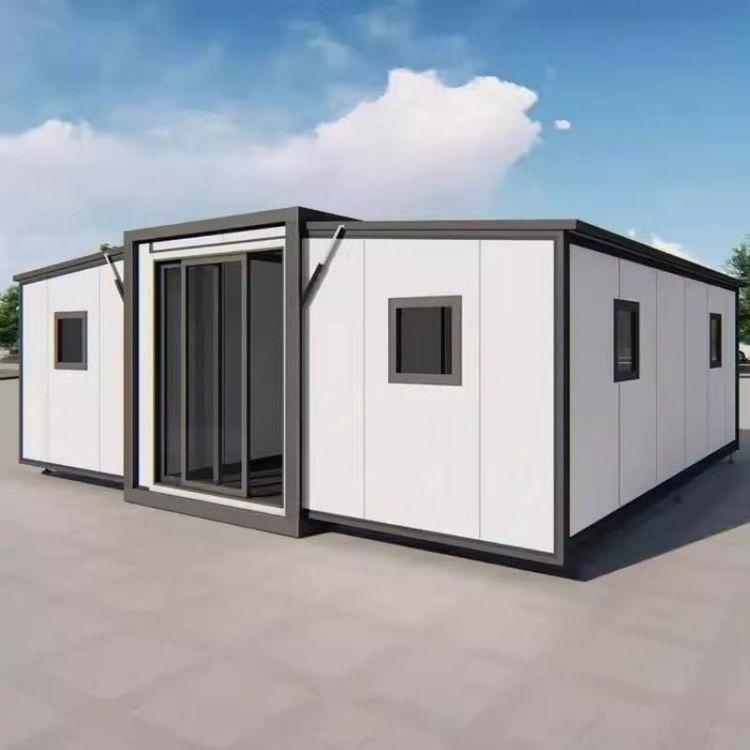
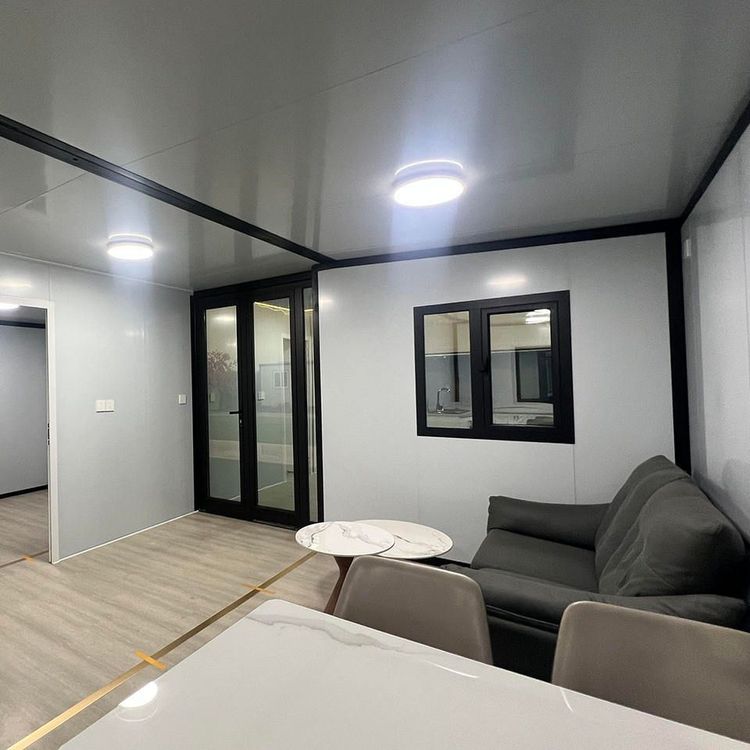
Refrigerated Container House Storage Cabinet
Currently, there is no complete description directly about the 'refrigerated container house storage cabinet', but reasonable speculation and analysis can be made based on the relevant characteristics of refrigerated containers, container houses, and storage cabinets.
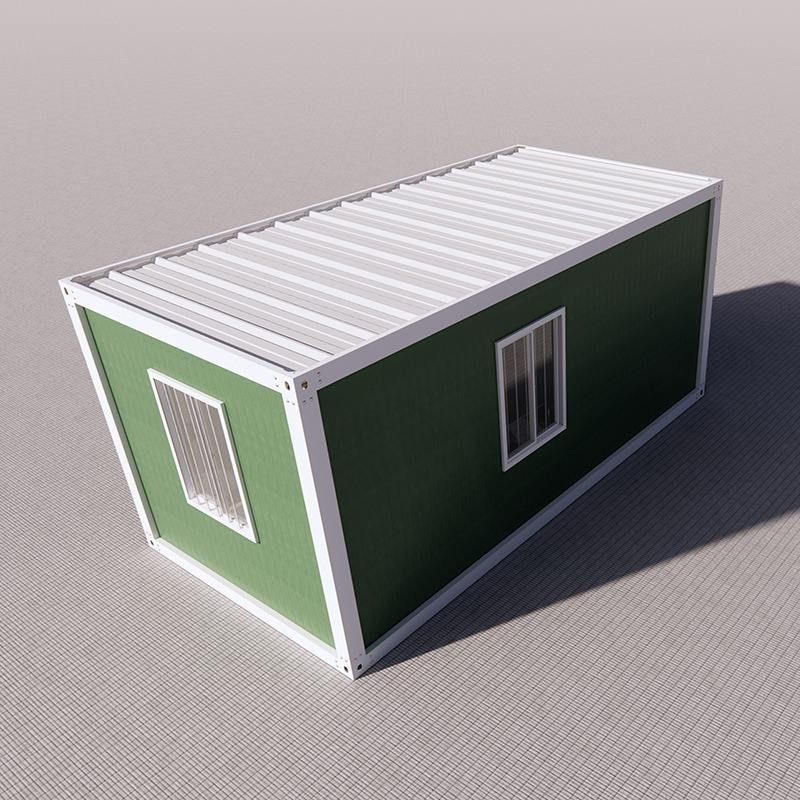
1. Core characteristics of refrigerated containers
A refrigerated container is a special transportation equipment with good thermal insulation performance. Its core function is to maintain a low-temperature environment inside through a built-in refrigeration system (usually between -25°C and +25°C) to meet the transportation and short-term storage needs of perishable goods such as meat, fruits, and pharmaceuticals. Its structure uses a high-strength steel frame and polyurethane foam insulation layer, with strong sealing to effectively reduce cold loss. It is also equipped with a temperature recorder and an alarm device to ensure temperature stability.
2. Transformation logic of container houses
Container houses are created by structurally reinforcing, insulating, and interior-decorating standard containers to transform them into livable or usable spaces. Such transformations usually retain the modular characteristics of containers, achieving space expansion through splicing and combination, and adding facilities such as doors, windows, electrical circuits, and ventilation according to the usage scenarios (e.g., office, residence, commerce). If a refrigerated container is to be transformed into a house, the key issue to be addressed is the compatibility between the refrigeration system and the living functions, such as adjusting the position of the refrigeration unit and optimizing the insulation layer to avoid the impact of condensed water on the indoor environment.
3. Potential applications of storage cabinets in refrigerated container houses
If the 'refrigerated container house storage cabinet' is understood as a storage space set up in a transformed refrigerated container house, its design needs to take into account both the low-temperature environment and the storage needs of items:
- Material selection: The storage cabinet needs to use materials that are resistant to low temperatures and moisture, such as stainless steel or engineering plastics, to avoid deformation or cracking due to low temperatures.
- Sealing: The cabinet door needs to be equipped with a sealing strip to prevent cold air leakage and reduce the entry of external moisture, protecting stored items (such as electronic equipment and documents) from moisture damage.
- Functional zoning: Different temperature zones can be divided according to the type of items. For example, a normal-temperature zone (using the overall thermal insulation performance of the house) and a low-temperature zone (directly using the original refrigeration system of the refrigerated container) can be set up to meet diverse storage needs.
4. Limitations of practical application scenarios
Currently, independent refrigerated cabinets (such as those used in supermarkets and convenience stores) or combinations of container houses and ordinary storage cabinets are more common in the market, rather than directly transforming the interior of a refrigerated container into a house and setting up storage cabinets. This design may not have become a mainstream solution due to issues such as high refrigeration costs and low space utilization, but there may be application needs in specific scenarios (such as temporary medical cold storage and material storage in polar research stations).