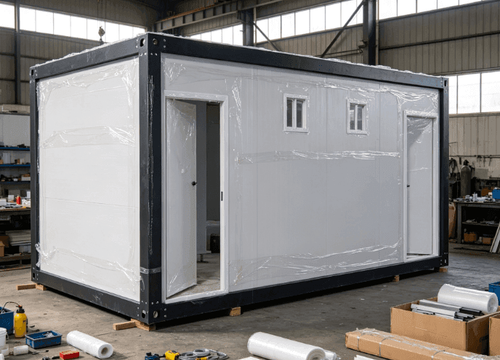
Reasons for Buying Mobile Toilets
The reasons for buying mobile toilets include multiple advantages such as environmental friendliness, convenience, practicality, aesthetics, cost-effectiveness, rapid deployment, flexibility and portability, easy maintenance, enhanced environmental performance, versatility, durability, and hygiene standards.

Environmental Friendliness: Traditional fixed toilets rely heavily on water for flushing, whereas mobile toilets significantly reduce water consumption through water-saving technologies such as vacuum suction and circulation filtration systems. Some models even operate without an external water supply. Waste can be treated harmlessly through biodegradation, chemical treatment, or centralized transportation, preventing soil and water pollution and aligning with sustainable development principles.
Convenience: Mobile toilets do not require complex foundation construction or pipeline installation, resulting in short installation periods and quick commissioning. Their modular design allows for easy adjustment of the number of toilet stalls based on demand, making them particularly suitable for large events, temporary construction sites, or disaster relief scenarios where sufficient sanitation facilities can be provided in a short time.
Practicality: In densely populated areas such as commercial streets and scenic spots, or in regions with insufficient coverage of fixed toilets, mobile toilets can flexibly supplement the gap in sanitation facilities. Their structures can be customized, for example, by adding accessible toilet stalls or baby care rooms to meet diverse needs.
Aesthetics: The appearance of mobile toilets can be designed in harmony with the environment, using materials such as imitation brick or wood grain textures, or incorporating artistic elements to blend seamlessly with the surrounding landscape and even serve as decorative features in urban public spaces.
Cost-Effectiveness: The initial investment is lower than that of traditional toilets, and there is no need for long-term maintenance of pipeline systems, saving on construction materials and labor costs. In long-term operation, water-saving designs and self-cleaning functions further reduce water and cleaning expenses.
Rapid Deployment and Flexibility: Lightweight designs using materials such as fiberglass-reinforced plastic or high-strength plastics support lifting or towing, enabling relocation to different locations at any time to adapt to seasonal events or temporary needs, thereby improving resource utilization.
Easy Maintenance: The use of corrosion-resistant materials such as stainless steel and anti-mold coatings, along with modular structures, allows for simple rinsing during daily cleaning. Some models are equipped with automatic spraying and deodorization systems, reducing manual intervention.
Enhanced Environmental Performance: Some high-end models use biodegradable materials, solar power, or rainwater collection systems to further reduce carbon emissions and comply with green building standards.
Versatility: The market offers various types, including basic models, luxury models (equipped with air conditioning and audio systems), and accessible models (with wide doors and handrails), to meet the needs of different populations.
Durability and Hygiene Standards: Steel frame structures or reinforced plastic shells can withstand wind and rain erosion, while internal facilities such as antibacterial countertops and sensor faucets ensure hygiene conditions during long-term use. Ventilation systems effectively control odors.