Back to blog
Article
Container House Used Buying Guide: Options & Tips
Admin October 28, 2026
When purchasing a container house, it is necessary to comprehensively consider the type, advantages and disadvantages, as well as actual needs. Here is a specific guide:

I. Type Selection
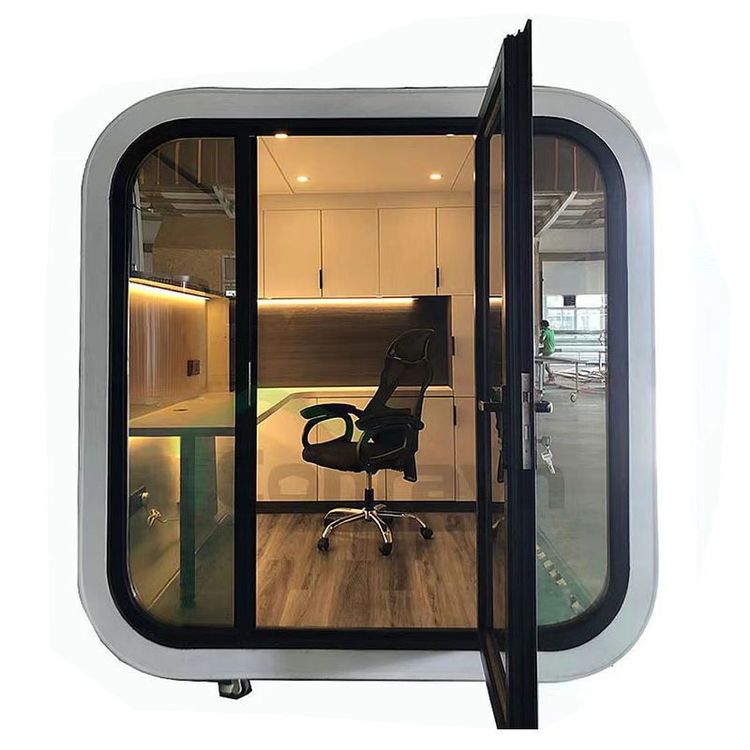
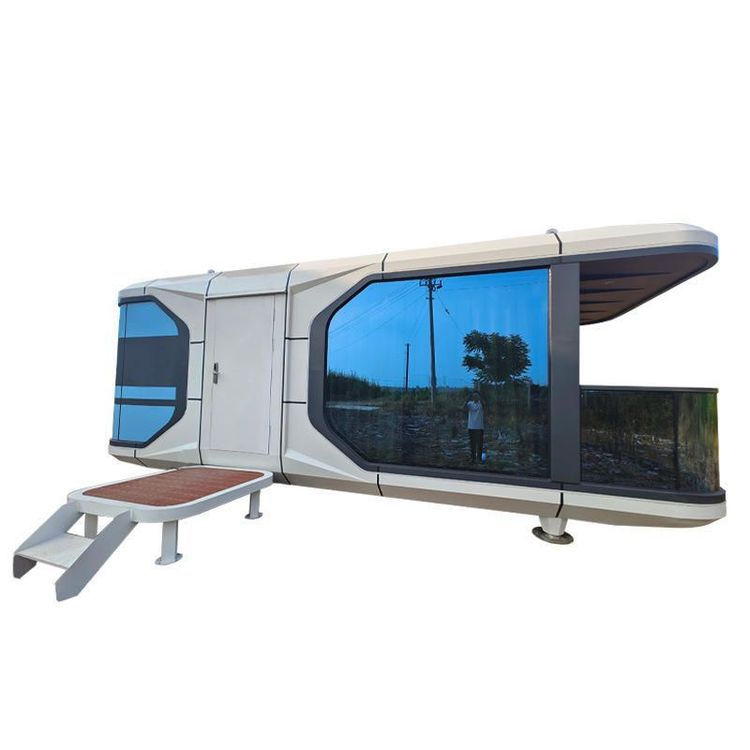
- Single-container House: Composed of a single 20- or 40-foot container, suitable for small-scale living or functional spaces. Its advantages lie in low construction costs and rapid assembly, making it particularly suitable for remote areas or off-grid scenarios, with a relatively small environmental impact. However, the internal space is limited (about 160 square feet for a 20-foot container), requiring intelligent design (such as foldable furniture and multi-functional areas) to optimize space. It is suitable for single individuals, student housing, or home offices.
- Double-container House: By arranging two containers side by side or end to end, it provides a more spacious layout (up to 320 square feet), allowing for the division of separate rooms (such as bedrooms and kitchens). It offers greater design flexibility and remains less costly than traditional brick houses. However, it requires more site preparation (such as foundation reinforcement) and enhanced insulation to adapt to the climate. It is suitable for small families, rental units, or affordable housing projects.
- Stacked Container House: Constructed by stacking multiple layers, it provides larger space and vertical design flexibility, but specific information needs to be confirmed with the supplier based on project requirements.
II. Core Advantages and Potential Challenges
- Advantages:
- Economy: The basic cost is significantly lower than that of traditional houses, and modular design shortens the construction period.
- Sustainability: The reuse of steel containers reduces construction waste, aligning with low-carbon principles.
- Durability: Weathering steel is resistant to corrosion and extreme weather conditions, with low maintenance costs.
- Challenges:
- Hidden Costs: High-end customization (such as floor-to-ceiling windows and smart systems) or complex renovations may drive up the total price.
- Environmental Limitations: The construction process may involve environmental impacts from coatings and transportation.
- Climate Adaptability: Targeted insulation (such as spraying polyurethane foam) and ventilation design are required; otherwise, it may suffer from cold winters and hot summers.
III. Key Purchase Recommendations
- Demand Matching: Choose the type based on family size, budget, and purpose. For example, large families should prioritize double-container or stacked options, while remote areas may opt for single-container houses to reduce transportation difficulties.
- Site Assessment: Confirm the foundation bearing capacity, water and electricity access conditions, and whether slope adjustments or drainage systems are needed.
- Insulation and Ventilation: Use reflective insulation film in hot and humid areas, increase mechanical ventilation in dry areas, and strengthen wall insulation in northern regions.
- Customized Design: Plan the internal layout in advance (such as open kitchens and hidden storage) and choose eco-friendly materials (such as reclaimed wood and low-VOC paints) to enhance the living experience.
By systematically evaluating type, cost, environment, and functional needs, you can efficiently screen out suitable container house solutions.
Related