Qatar Container House
The container houses used during the Qatar World Cup were mainly manufactured in China to address the accommodation needs of a large number of fans, offering convenience, cost-effectiveness, and relatively complete functionality.

1. Source and Scale of Container Houses
During the Qatar World Cup, to meet the accommodation demands of millions of visitors, six enterprises from Guangdong, Jiangsu, and Zhejiang in China provided over 10,000 container houses, primarily distributed in the "Fan Villages" and event-related venues. Among them, the largest "Free Zone Fan Village" had 6,000 container houses, each with an area of approximately 16 square meters and capable of accommodating two people. These houses were produced by Chinese companies and featured modular designs for easy and rapid installation and dismantling.
2. Internal Facilities and Functions
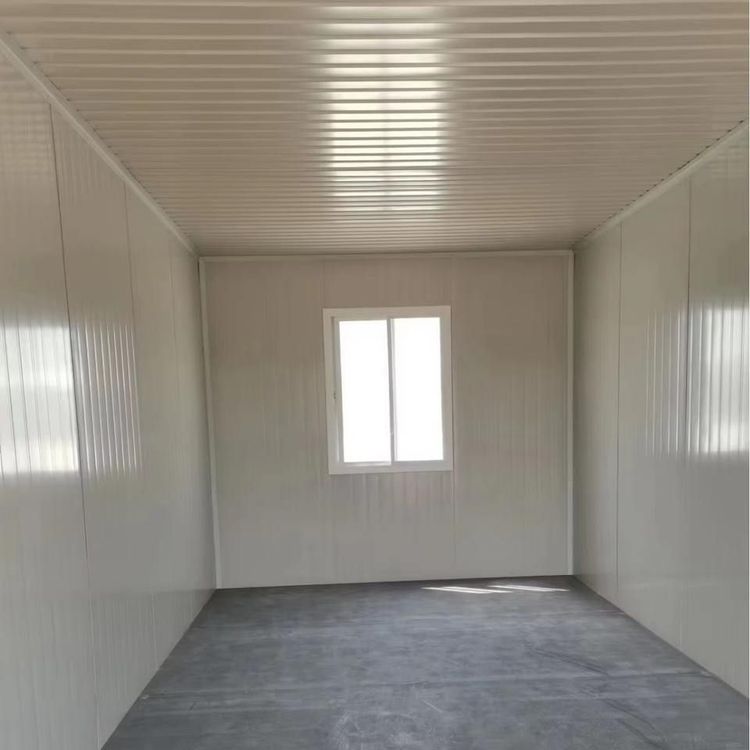
Despite their limited space, the container houses were well-equipped, including two single beds, wardrobes, coffee tables, seating, independent bathrooms, air conditioners, fans, and free Wi-Fi. Some houses also featured refrigerators, USB ports, and other user-friendly designs. Additionally, the "Fan Villages" were equipped with supermarkets, restaurants, open-air viewing squares, and other public facilities to meet fans' daily living and entertainment needs.
3. Cost-Effectiveness and Environmental Friendliness
The nightly price for a container house was approximately $200 (about RMB 1,400), which, although higher than some fans' expectations, remained cost-effective compared to Qatar's hotel prices ranging from $500 to $5,000 per night. Their advantages included:
- Rapid Deployment: Four workers could set up a house in four hours.
- Lower Costs: Compared to traditional hotels, container houses had lower material and construction costs and were reusable.
- Environmental Protection and Energy Efficiency: The houses used thermal insulation materials to reduce indoor temperatures by 5-6°C, lowering energy consumption. After the event, the houses could be dismantled or transported to other regions (such as earthquake-stricken areas) for continued use, avoiding resource waste.
4. Post-Event Utilization and Social Value
After the World Cup, some container houses were shipped to earthquake-stricken areas in Turkey and Syria to provide temporary shelter for victims, demonstrating their mobility and social welfare value. Additionally, this project promoted the export of China's movable housing technology and enhanced international recognition of Chinese manufacturing.