Prefabricated Wood-Plastic House
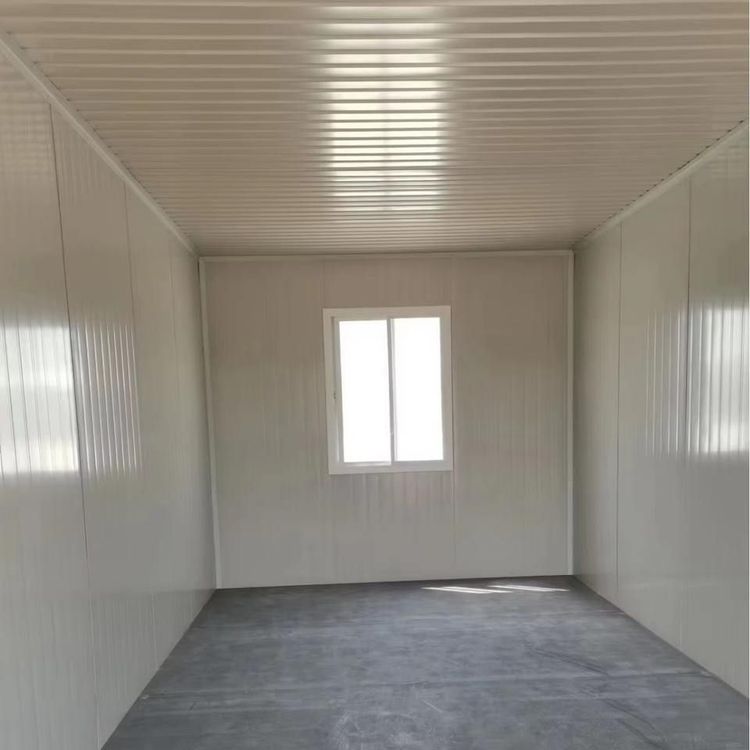
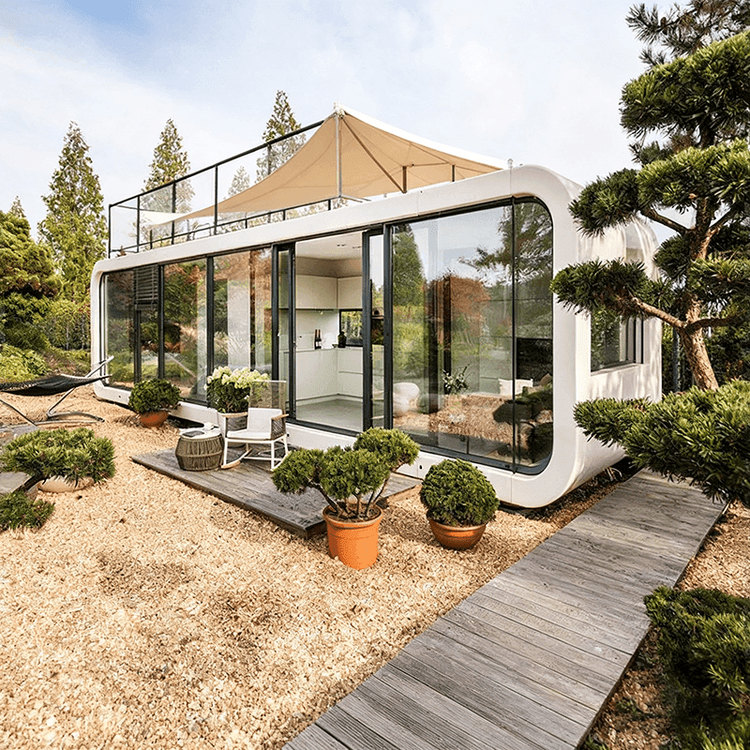
A prefabricated wood-plastic house is a building product formed through standardized production and on-site assembly, using wood-plastic composite wall panels as the core material, combined with light steel structures or concrete frames. It features environmental friendliness, efficiency, and safety.
Material and Structural Characteristics
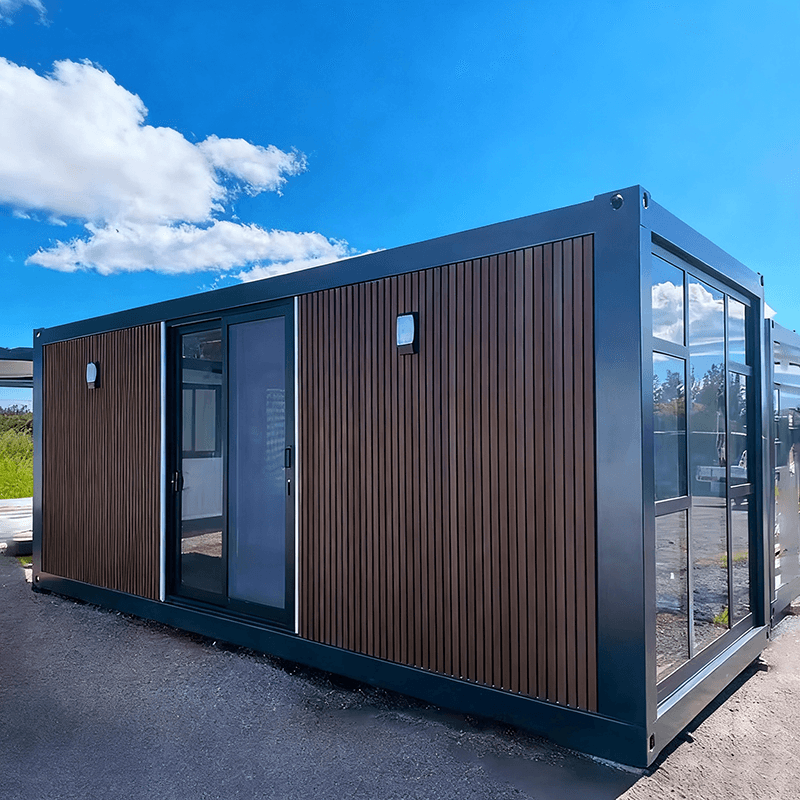
The walls of a prefabricated wood-plastic house are made of wood-plastic composite materials, which are a blend of renewable resources (such as wood powder and straw) with polymer compounds. These materials combine the wooden texture with the weather resistance of plastics. Its core advantages include:
- Lightweight and High Strength: A 150mm-thick wall panel weighs only 1/11 of a traditional brick wall but offers energy-saving performance equivalent to a 500mm brick wall, significantly reducing building loads.
- Fire and Earthquake Resistance: It has a fire resistance limit of 2.15 hours and a B1-rated (non-combustible material) burning grade. The earthquake-resistant design meets an 8-degree seismic fortification standard, making it suitable for earthquake-prone regions.
- Modular Design: The walls are quickly installed through modular interlocking structures without the need for heavy machinery, reducing construction time by over 50% compared to traditional buildings.
Environmental Protection and Sustainability
- Low-Carbon Production Process: Utilizing 80% renewable raw materials, the production process generates no wastewater, exhaust gases, or waste residues, complying with green building standards.
- Optimized Energy Efficiency: The roof structure integrates wood-plastic baseboards, insulation cotton, and waterproof layers to form an efficient thermal insulation and waterproofing system, reducing energy consumption by over 30%.
- Material Recyclability: Wood-plastic composite materials can be recycled, reducing construction waste and lowering lifecycle carbon emissions by 40% compared to traditional building materials.
Application Scenarios and Market
- Advantages of Modular Construction: Independent modules (such as bedrooms and kitchens) are prefabricated in factories and assembled on-site, making them suitable for temporary housing, tourist resorts, post-disaster reconstruction, and other scenarios.
- Global Market Layout: Companies like Youchaoshi have products covering 85 global markets, particularly popular in Europe and North America due to compliance with local environmental regulations and rapid construction needs.
- Customized Services: Support for adjusting module combinations, exterior styles, and functional configurations according to customer needs, meeting diverse requirements for residential and commercial spaces.
Technical Certifications and Patents
The related technologies have been granted 7 utility model patents and 2 invention patents, covering core aspects such as wall connection structures and fire-resistant designs, ensuring product safety and innovation.
Prefabricated wood-plastic houses offer an efficient and environmentally friendly solution for the construction industry through material innovation and industrialized production models, holding broad application prospects in the low-carbon economy and urbanization process.