Prefabricated Rural Single-Story House
Prefabricated rural single-story houses have not yet become widespread in rural China, although design concepts and practical examples exist. Their promotion is limited by factors such as cost and quality, while traditional brick-and-mortar single-story house designs better meet rural needs.

Features and Costs of Prefabricated Houses
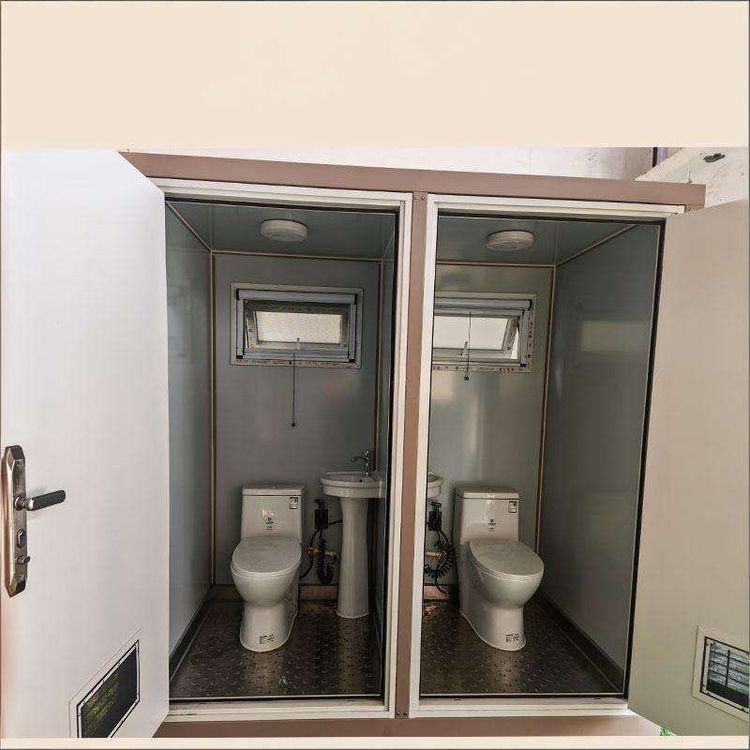
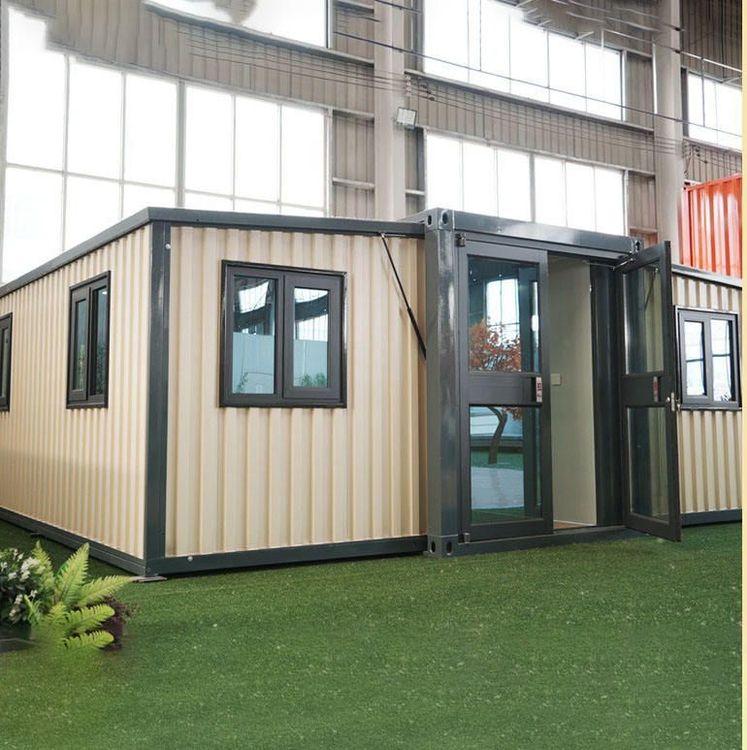
Prefabricated houses are produced in modules on factory assembly lines and assembled on-site, including facilities such as bedrooms, bathrooms, and kitchens, with water pipes and electrical wiring pre-installed. A set costs approximately 200,000 RMB. This model has been practiced in the Pearl River Delta region and theoretically can shorten construction periods and reduce labor costs. However, their costs are similar to those of traditional self-built houses in rural areas (ranging from tens of thousands to 200,000 RMB), and traditional self-built houses make farmers feel more 'secure,' so prefabricated houses do not have a significant cost advantage.
Reasons for the Lack of Popularity of Prefabricated Houses
- Quality Issues: The module connections of prefabricated houses are prone to cracking and water leakage, and their structural stability is inferior to that of traditional brick-and-mortar structures, making them more suitable for temporary transitional housing rather than long-term residence.
- Psychological Preferences: Rural self-built houses are usually designed with the active participation of farmers, allowing for more flexible material choices. Traditional construction methods also better align with farmers' psychological expectations for 'permanent housing.'
- Insufficient Adaptability: The standardized design of prefabricated houses finds it difficult to fully match the complex terrain, climate, and family needs of rural areas, whereas traditional self-built houses can flexibly adjust layouts to cope.
Design Examples of Rural Single-Story Houses
- Brick-and-Mortar Structures as the Mainstay: Existing design examples (such as a 17×9-meter modern bungalow and a 10×14-meter grand villa) mostly adopt brick-and-mortar structures, costing less than 200,000 RMB and meeting residential needs. These designs emphasize functionality and economy, suitable for long-term use by rural families.
- Customized Services: The 27 sets of single-story rural residential designs launched in 2026 provide complete construction drawings and support modifications to layout dimensions or custom designs, further enhancing design adaptability.
- Design for Elderly Housing: Some examples are specifically designed for the elderly, focusing on practicality and aesthetics, such as barrier-free facilities and optimized lighting, reflecting a refined response to rural living needs.
Conclusion
Although prefabricated rural single-story houses offer advantages in industrial production, they have not become mainstream due to limitations in quality, psychological preferences, and adaptability. In contrast, traditional brick-and-mortar single-story house designs better align with actual rural needs and can further optimize functionality and economy through customized services.