
Prefabricated Panel House Demolition and Reconstruction Policy
The prefabricated panel house demolition and reconstruction policy mainly involves four aspects: policy background, scope of demolition and reconstruction, compensation and resettlement methods, and the policy of demolishing and rebuilding on the original site.
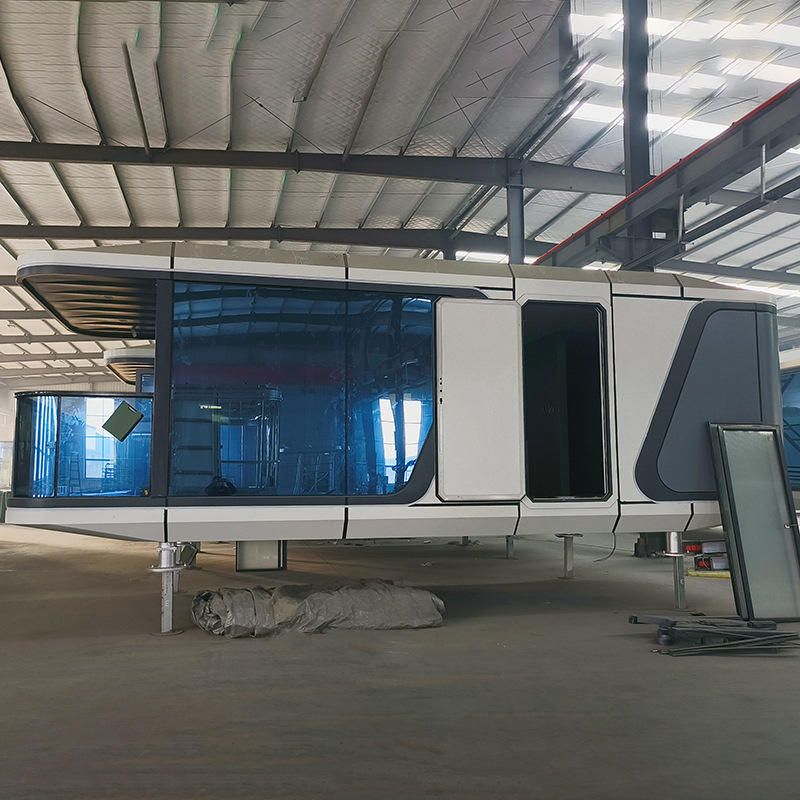
Policy Background and Direction:
The Notice on Preventing Large-Scale Demolition and Construction Issues in the Implementation of Urban Renewal Actions (Draft for Comment) issued by the Ministry of Housing and Urban-Rural Development clearly requires strict control over large-scale demolition, additional construction, and relocation to prevent excessive real estate development and promote the transformation of urban renewal towards a sustainable model. Relevant documents from the Ministry of Natural Resources and the General Offices of the CPC Central Committee and the State Council further emphasize that as cities enter the stage of stock development, it is necessary to prioritize the revitalization of existing land resources, steadily promote the renovation of dangerous housing, follow the principle of 'classified handling and prioritizing the vulnerable', and avoid 'one-size-fits-all' demolition.
Scope of Demolition and Reconstruction:
The following four types of prefabricated panel houses may be included in the scope of demolition and reconstruction:
- Identified as meeting the standards for dangerous houses: Especially Grade D dangerous houses, which have problems such as foundation subsidence and severe damage to the main structure. Renovation cannot resolve fundamental safety hazards, and they must be demolished and rebuilt.
- Inadequate disaster resistance: The house structure is vulnerable to collapse during earthquakes, floods, and other disasters, threatening the lives and safety of residents.
- Conflict with urban infrastructure: Due to the construction of public projects such as subways, bridges, and roads, the house is located within the planned control area and needs to be demolished according to the plan.
- Development revenue in urban core areas can cover costs: The functional rationality of existing low-density buildings can be improved through renewal, and the development revenue can balance the renovation costs.
Compensation and Resettlement Methods:
- Monetary compensation: The government pays a one-time compensation amount covering the house value, decoration costs, moving expenses, rental subsidies during the transition period, and rewards for signing contracts on time.
- Property rights exchange: New houses are provided for exchange, divided into on-site relocation and off-site resettlement. The price difference between the old and new houses is settled based on market assessments, with refunds for overpayments and supplements for underpayments.
- Housing voucher resettlement: Housing purchase vouchers are issued, which can be used in designated commercial housing developments. Some regions provide additional housing purchase subsidies.
Policy of Demolishing and Rebuilding on the Original Site:
Support is provided for the 'self-renewal and demolition and reconstruction on the original site' of old housing. After renovation, the new house type or actual usable area can be increased by about 30%. The renovation requires a redesign of the building structure to improve living quality, such as adding elevators, optimizing lighting and dynamic-static zoning, and laying water, electricity, gas, and heating pipelines underground, rather than simply replicating the original design.



