Advantages and Disadvantages of Prefabricated Panel Houses
The advantages and disadvantages of prefabricated panel houses are as follows:

Advantages
Rapid Construction, Shortening the Project Duration
The components of prefabricated panel houses are manufactured in factories and only require assembly on-site, reducing the construction period by more than 50% compared to traditional buildings. For example, a 100-square-meter prefabricated house can be completed in 1-2 months, while a traditional brick-and-mortar structure takes more than 6 months. This efficiency advantage makes it suitable for emergency housing needs or projects with tight schedules.Cost Control
Factory production optimizes material and labor costs, standardized design reduces waste, and modular construction lowers on-site complexity. The construction cost of an ordinary prefabricated house ranges from 1,000 to 3,000 yuan per square meter, far lower than that of traditional high-end residences (over 5,000 yuan per square meter), making it suitable for budget-constrained scenarios.Environmental Protection and Energy Efficiency
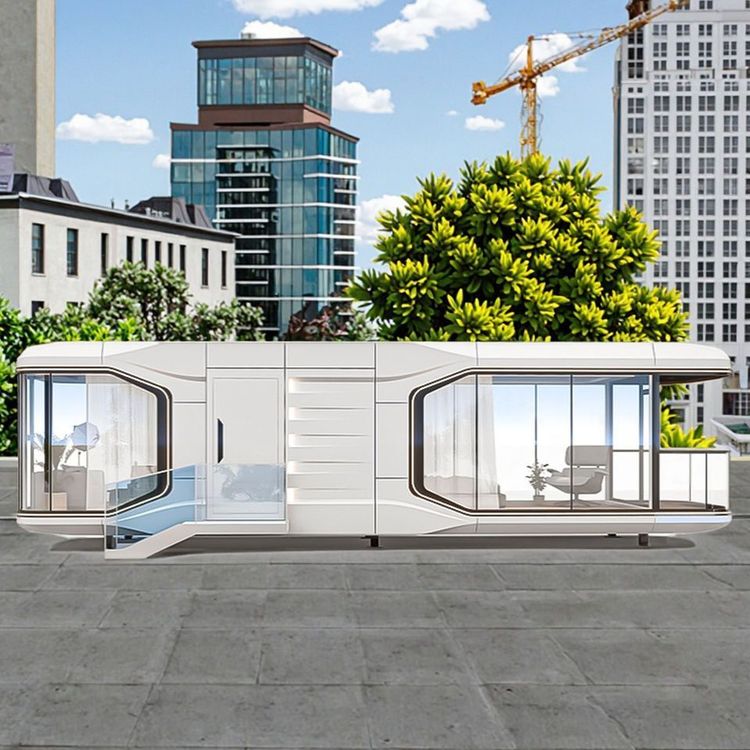
Factory production reduces on-site dust, noise, and waste pollution. Some prefabricated houses use recyclable materials such as light steel and wood, aligning with green building concepts. High-end models also integrate solar panels, insulation materials, and intelligent energy-saving systems to further reduce energy consumption.Flexibility and Portability
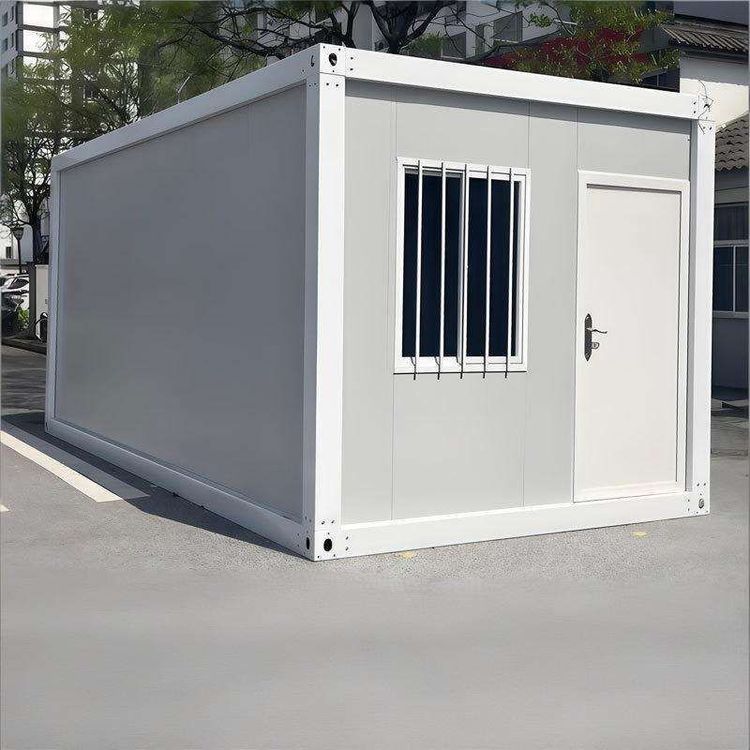
Modular design allows users to customize layouts according to their needs and even disassemble and reassemble them in the future. Container houses and light steel structure houses are particularly suitable for scenarios requiring frequent relocation, such as tourist homestays and construction site dormitories.Quality Control
The factory production environment is stringent, with components manufactured under controlled conditions, ensuring better quality stability than on-site construction and reducing errors caused by human factors.
Disadvantages
Insufficient Overall Performance
Although prefabricated panels are connected to walls at both ends with measures such as ring beams and anchoring, their overall integrity is still weaker than that of cast-in-place slabs, with certain limitations in earthquake resistance and deformation resistance.Risk of Cracking and Leakage
The joints between prefabricated panels are weak points. Over time, material aging or foundation settlement may cause cracking, leading to leakage issues that require regular maintenance.Limited Durability
The durability of some structures is affected by materials and construction. For example, if the foundation's moisture-proof membrane is punctured by sharp objects in the backfill soil, its moisture-proof effect will be reduced, indicating that similar hidden dangers may exist in the construction related to prefabricated panels.