
Why Portable Toilet Steel Matter: A Quick Guide
The importance of steel in portable toilets is reflected in structural support, modular design, functional integration, and economic maintenance, making it a key material for achieving the characteristics of 'portability, modularity, and reusability'.
1. Structural Support and Durability
Steel is the primary material for the frames and core structures of portable toilets. For example, composite-structure mobile toilets use stainless steel and other metal materials to construct the main frame, ensuring overall resistance to deformation through high strength and adapting to repeated handling and long-term use scenarios. Some high-end models (such as Wecare Camping Toilet) explicitly indicate the use of stainless steel, meeting both anti-corrosion needs and hygiene standards, avoiding structural failure due to material aging.
2. Modularity and Portability
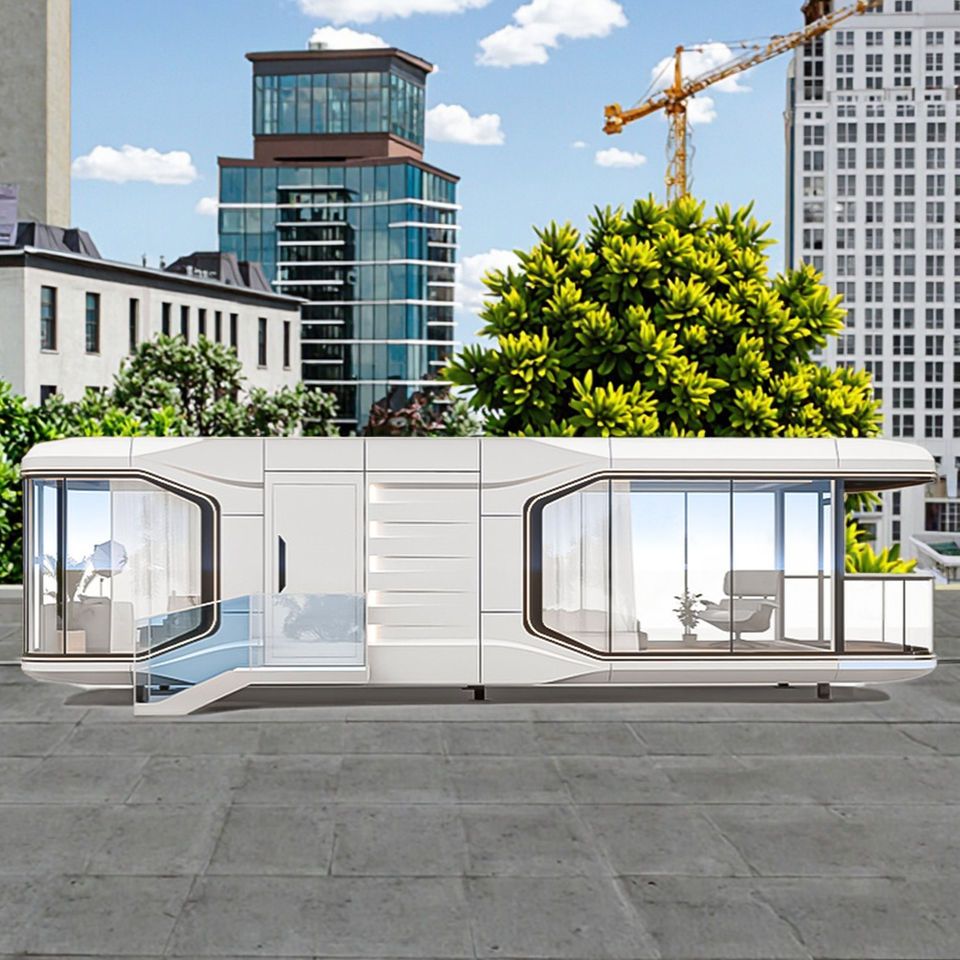
The lightweight and high-strength properties of steel support modular design. For example, foldable container houses (including portable toilet functions) use square tubes and curved steel plates to form the skeleton, ensuring structural stability while facilitating transportation via lifting or towing. This design allows toilets to be quickly deployed in temporary locations such as construction sites and squares, with modules flexibly combined through steel connectors to meet spatial needs in different scenarios.
3. Functional Integration and Safety
Steel provides an installation base for additional equipment. For example, toilet doors, locks, and water tank brackets are typically made of steel structures, ensuring sealing and load-bearing safety. Some models achieve shock resistance (8-level earthquake resistance), leak prevention, and fire resistance through steel, such as steel water tank brackets that can withstand high-pressure water impact and steel door frames that can resist external force damage, meeting usage requirements in complex environments.
4. Economy and Maintenance Advantages
Compared to wood or fiberglass materials, steel is more wear-resistant and easier to clean, reducing long-term maintenance costs. Although economical portable toilets use ordinary flushing designs, they balance cost and durability through steel frames and standardized components (such as 1000kg load-bearing structures). For example, steel surfaces can be extended in lifespan by spraying anti-rust paint and are easy to clean with simple rinsing, avoiding material absorption of dirt or deformation issues.
Summary: By providing structural strength, supporting modular design, integrating safety functions, and reducing maintenance costs, steel has become the core material for portable toilets to achieve the characteristics of 'portability, modularity, and reusability'. Its application directly determines the product's lifespan, applicable scenarios, and economy.



