Prefabricated Modular Housing
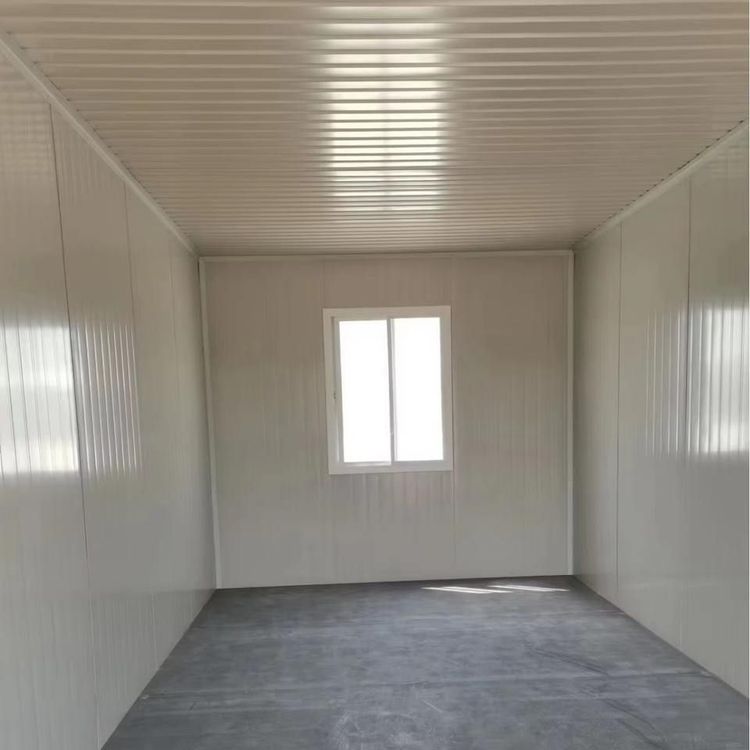
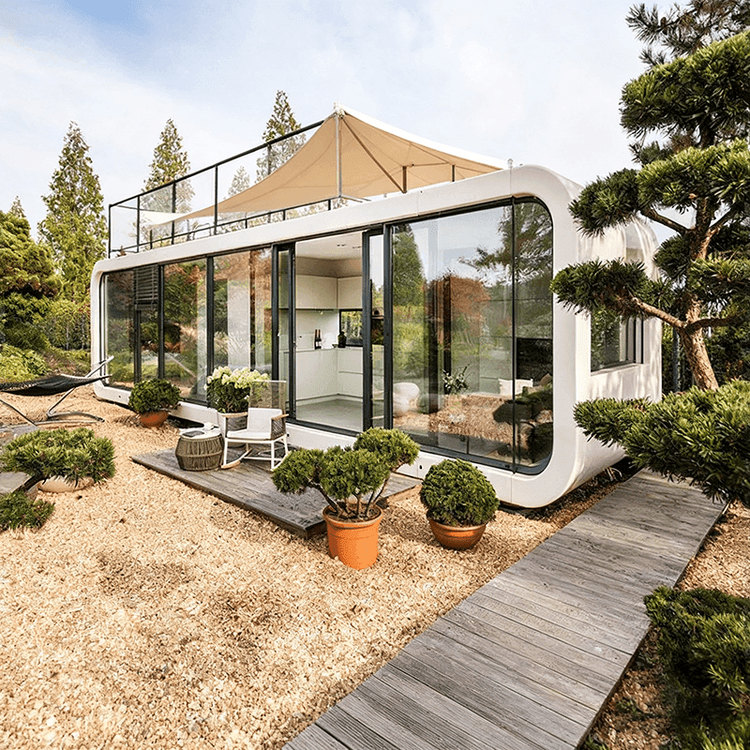
Prefabricated modular housing is a construction method that involves industrial production of building components and on-site assembly, offering advantages such as shortened construction periods and reduced pollution.
Definition and Types
Prefabricated modular housing, also known as prefabricated assembled buildings, centers on the pre-fabrication of building components (such as beams, slabs, walls, and columns) in factories, followed by transportation to construction sites for assembly. Depending on the assembly method, there are three main types:
- Panel Assembly: This type primarily uses prefabricated wall panels and floor slabs, which are connected into an integral structure using connectors. For example, fully assembled rural houses in Ningbo adopt a panel structure, connected with mechanical bolts, enabling the assembly of a complete house in just 7 days.
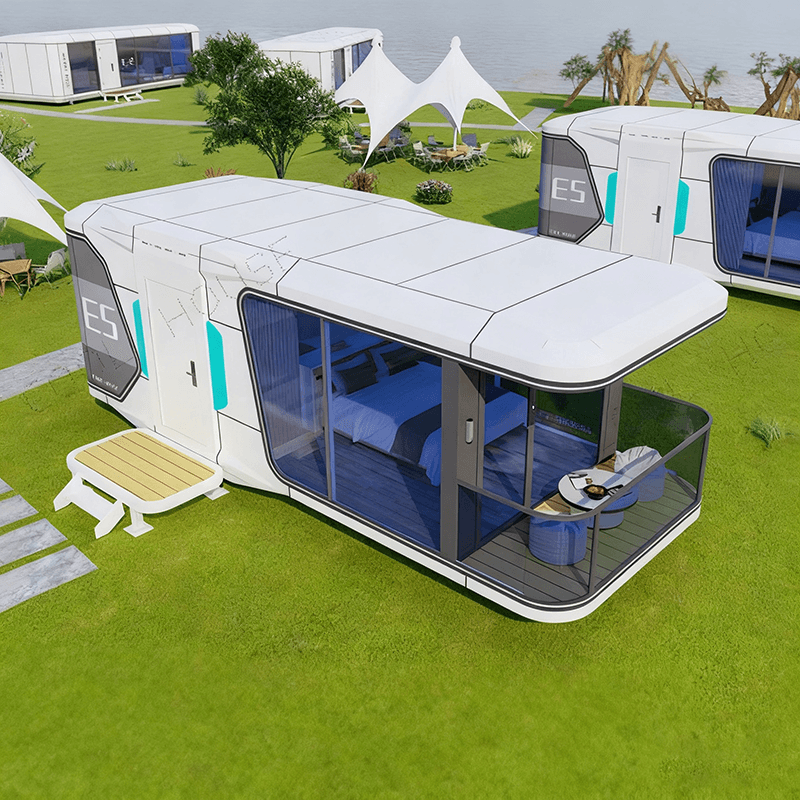
- Box Assembly: Entire rooms or functional modules (such as kitchens and bathrooms) are prefabricated into “boxes” in factories and then directly assembled on-site, even allowing for “plug-and-play” utilities.
- Frame Assembly: This type uses prefabricated frames (such as steel or concrete frames) as supports, onto which prefabricated wall panels, floor slabs, and other components are installed, suitable for high-rise buildings or complex structures.
Technology and Components
The technological system of prefabricated modular housing encompasses prefabricated concrete structures and steel structures, with component types including prefabricated beams, slabs, walls, and columns. These components are designed and produced industrially with standardized processes, ensuring dimensional accuracy and quality stability. For instance, Vanke Group's developed prefabricated shear wall residential structural system, combined with prefabricated frame technology, significantly enhances construction efficiency and structural safety.
Advantages and Applications
- Shortened Construction Period: The simultaneous progress of factory-prefabricated components and on-site construction reduces on-site work time. Taking rural houses in Ningbo as an example, traditional construction takes several months, while prefabricated assembly takes only 7 days.
- Reduced Pollution: The decrease in on-site wet work (such as concrete pouring) lowers dust, noise, and construction waste emissions, aligning with green building principles.
- Popular Overseas: China's prefabricated housing technology is mature, with significant cost advantages, and has been exported to multiple countries. According to customs data, in the first four months of 2026, the export value of movable houses from the Guangzhou Customs area reached 1.4 billion yuan, a year-on-year increase of 38.1%.
Development History
China's prefabricated concrete technology began in the 1950s, initially applied in factory and residential construction, but stagnated due to technological limitations. In the 21st century, with improved production efficiency and growing environmental demands, the technology has revived and is gradually developing towards standardization and modularization.