Types of Prefabricated Housing
Prefabricated housing types mainly include modular housing, prefabricated panel houses, container houses, wooden prefabricated houses, panel assembly buildings, and box assembly buildings.

Modular Housing: Its core feature is that the entire modules are prefabricated in the factory, and only direct assembly is required on-site to complete the installation. This production method achieves building industrialization, significantly shortening the construction period while reducing the environmental impact of on-site operations. Modular housing modules can contain complete room functions, such as bedrooms and kitchens, and when assembled, they form a complete house suitable for various residential needs.
Prefabricated Panel Houses: These mainly use prefabricated concrete panels or light steel structures as materials and were initially used for temporary buildings in the early days. They originated in the early 20th century and were initially applied in scenarios such as floor slabs and roof insulation layers. Most residential buildings constructed in China before 1985 adopted this type of structure. However, existing prefabricated panel houses generally have issues such as weak earthquake resistance and poor sound and heat insulation performance, with a service life of about 30 - 50 years, requiring regular maintenance or updates.
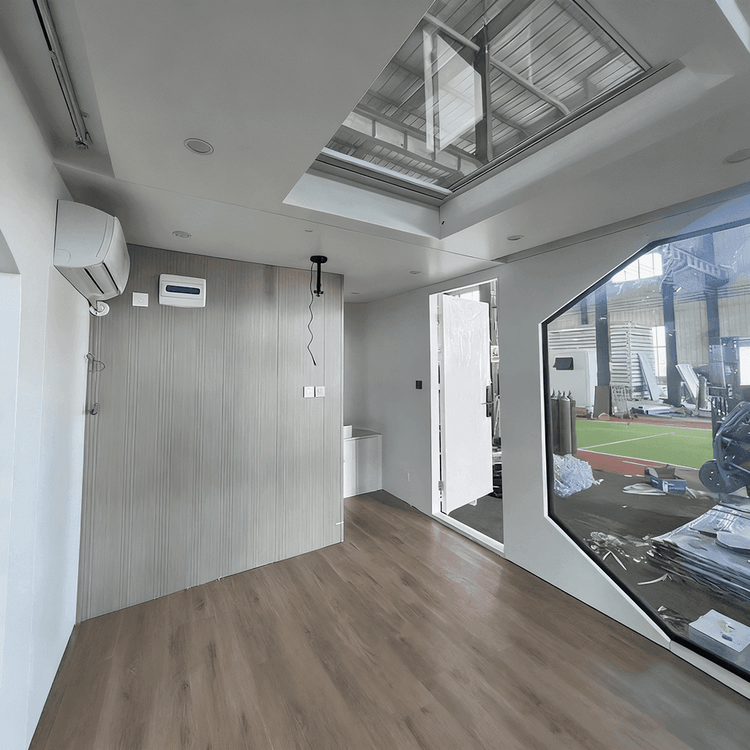
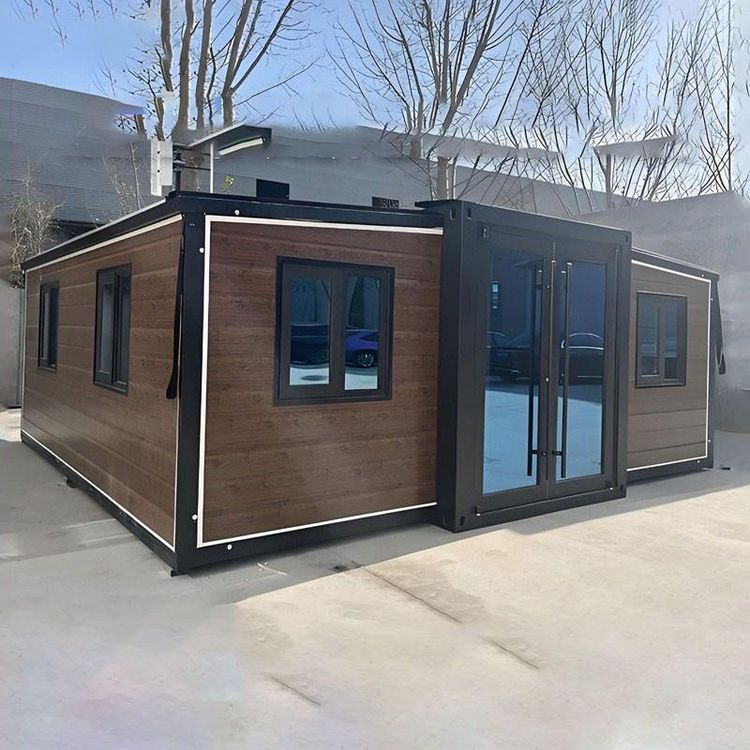
Container Houses: These use discarded or new containers as the main structure and are refitted to form residential spaces. The standardized dimensions and sturdy structure of containers give them the advantages of rapid construction and high mobility. At the same time, they can be combined with insulation, ventilation, and other systems to meet residential needs, often used in temporary housing, tourism vacations, and other scenarios.
Wooden Prefabricated Houses: These mainly use wood as the material, emphasizing environmental protection and a natural style. As a renewable resource, wood has the characteristics of low carbon and energy conservation. At the same time, wooden buildings can achieve standardized production through prefabrication processes, shortening the construction period. Such houses are mostly used in eco-tourism areas and low-density residential areas.
Panel Assembly Buildings: These use prefabricated wall panels and floor slabs as core components and form the building body through on-site assembly. This type can expand the indoor usable area, but due to the size limitations of prefabricated components, the design flexibility is relatively low, suitable for residential or public buildings with a high degree of standardization.
Box Assembly Buildings: These form complete buildings by combining prefabricated functional units (such as bathrooms and kitchens), with construction speeds increased by 50% - 70%. However, such buildings have high requirements for transportation and lifting equipment, and it is necessary to ensure the integrity of the prefabricated units during transportation, suitable for projects with high requirements for construction efficiency.
You may also like
Portable Toilet Movable Eco-Friendly: What to Know Before You Buy
Read More
Top Portable Toilet Specifications Manufacturers: How to Choose a Factory Partner
Read More
Container House Rendering in 2026: Buying Guide & Recommendations
Read More