All About Prefabricated Houses
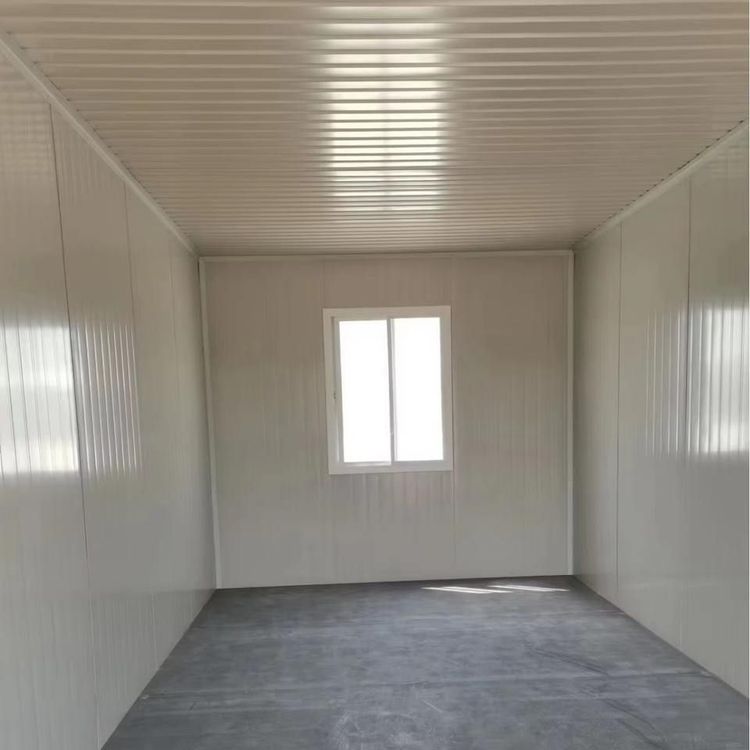
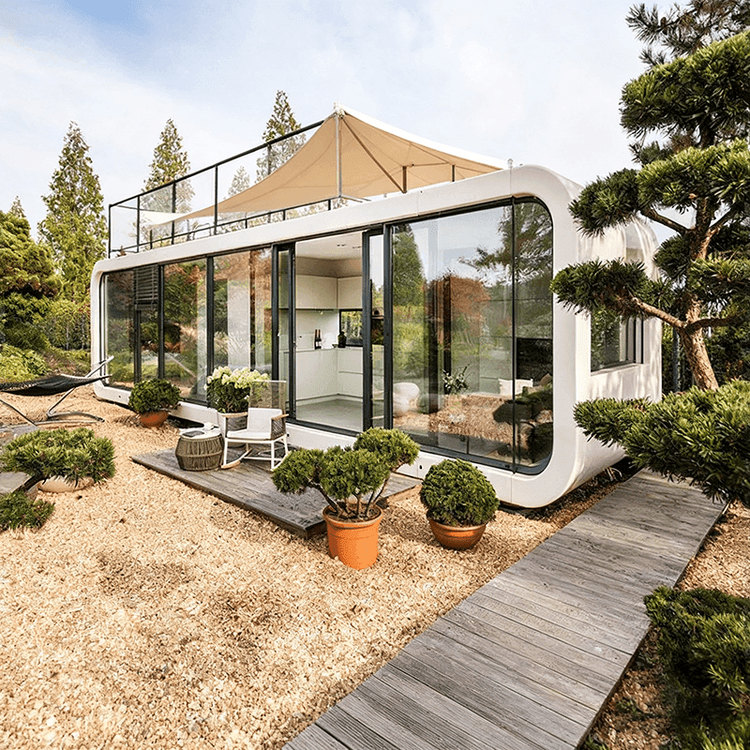
Prefabricated houses are a form of construction where building components are industrially produced and assembled on-site, with modular construction being a more integrated model.
Main Types and Technical Components
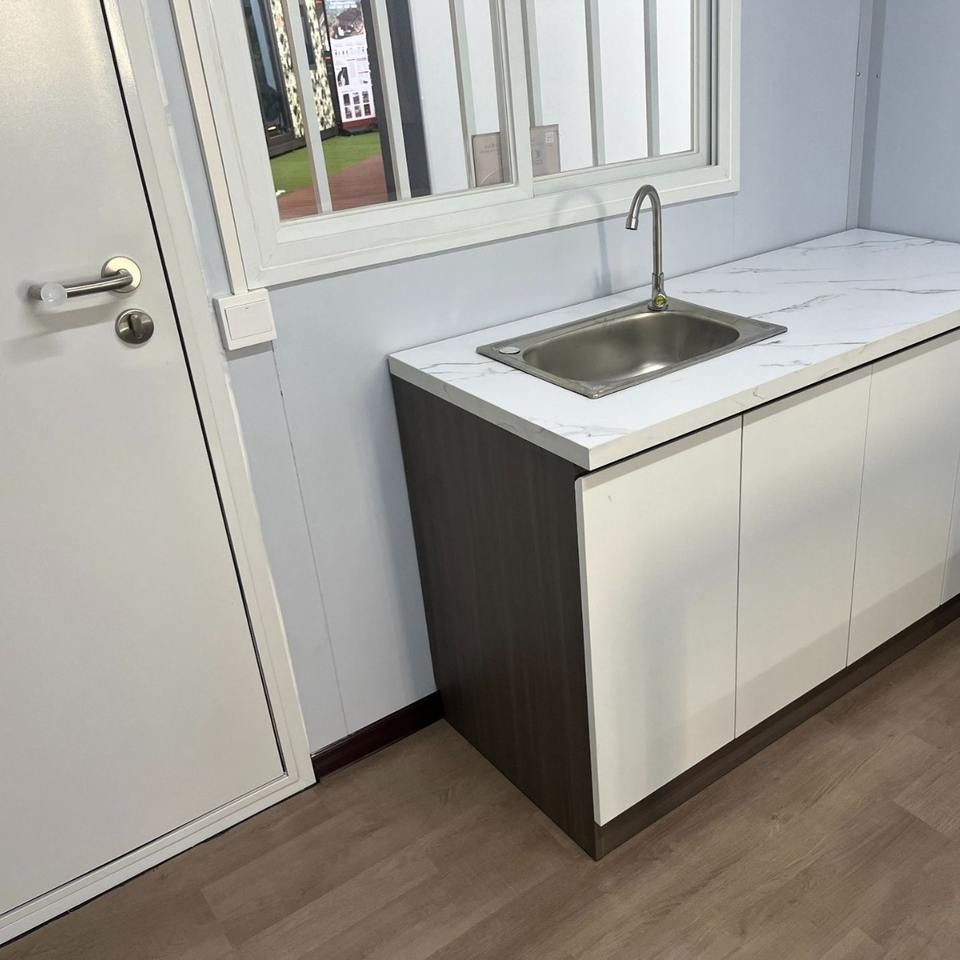
Prefabricated houses encompass three main types: panel-assembled, box-assembled, and frame-assembled. Technologically, they employ prefabricated concrete structures and steel structures, with components including prefabricated products such as beams, slabs, walls, and columns, enabling efficient assembly through standardized production.
Core Advantages
- Reduced Construction Time: Modular construction reduces the construction period by over 60% compared to traditional methods. For example, the construction period for a public housing project in Shenzhen, Guangdong, was shortened from 2.5-3 years to 1 year; the renovation project for dilapidated buildings in Fengtai District, Beijing, rapidly completed the main structure through module lifting.
- Reduced Pollution: Industrial bases in Fujian have achieved over 70% reduction in construction waste, while projects in Shenzhen have significantly mitigated noise, dust, and traffic congestion issues that disturb residents.
- Quality Control: Components are equipped with 'ID card' labels recording project names, models, and production dates. Rebar positioning accuracy is measured in millimeters, with strict error control.
- Energy Efficiency, Environmental Protection, and Maintenance Convenience: The industrial production model reduces energy consumption, and standardized component design facilitates later maintenance, extending the building's service life.
Development History
China's prefabrication technology began in the 1950s, applied to factory buildings and residential housing; the 1970s saw the formation of large panel and box structural systems; the 1980s experienced stagnation due to cost issues; after the 21st century, it revived due to efficiency and environmental advantages, with companies like Vanke developing prefabricated shear wall systems and applying prefabricated frame technology in projects such as Nanjing Jindi Yufang.
Application Scenarios
- Residential Construction: A public housing project in Shenzhen used 6,028 concrete modules to assemble five hundred-meter-high buildings, housing over 2,000 households.
- Renovation of Dilapidated Buildings: Building 19 in Fengtai District, Beijing, was renovated using steel-concrete composite modules, achieving independent kitchens and bathrooms, north-south orientation, and facility upgrades.
- Rural Self-built Houses: Some cases have completed the main structure in 14 days using prefabricated components, significantly shortening construction time.
Market Prospects
China's exports of prefabricated houses have grown significantly, with the Guangzhou Customs district achieving an export value of 1.4 billion yuan in the first four months of 2026, a year-on-year increase of 38.1%. It is predicted that the global modular construction market size will exceed 142.8 billion USD by 2030, indicating immense industry potential.