Usage of Prefabricated Houses
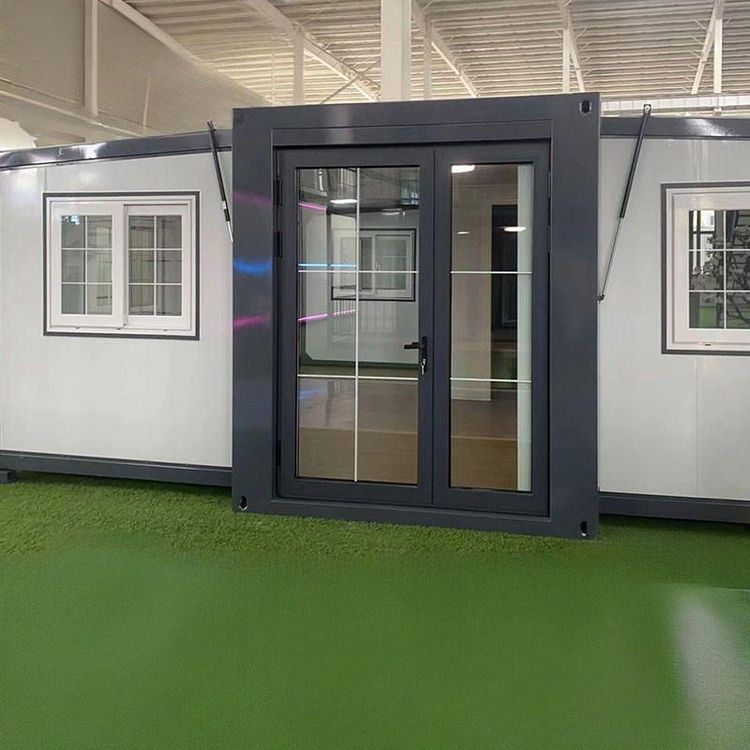
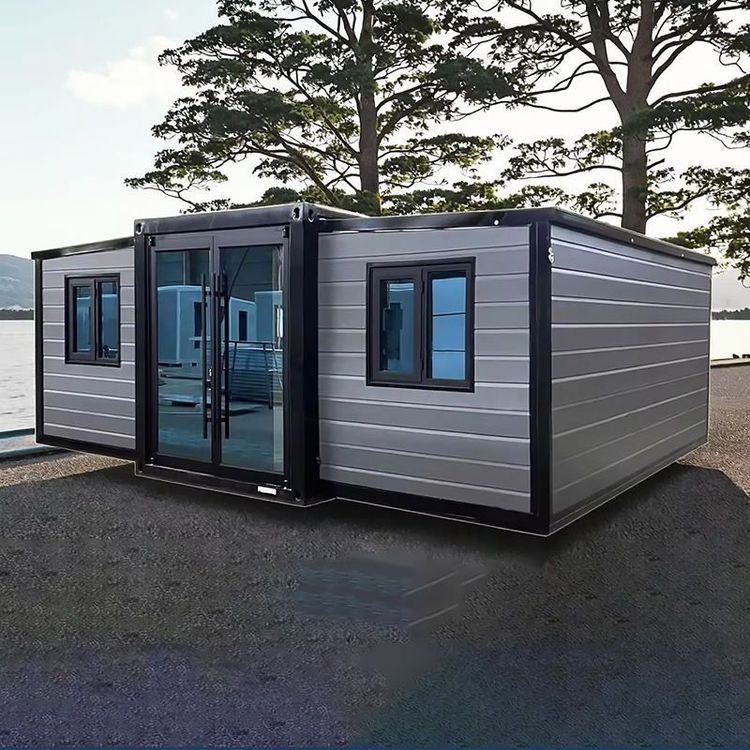
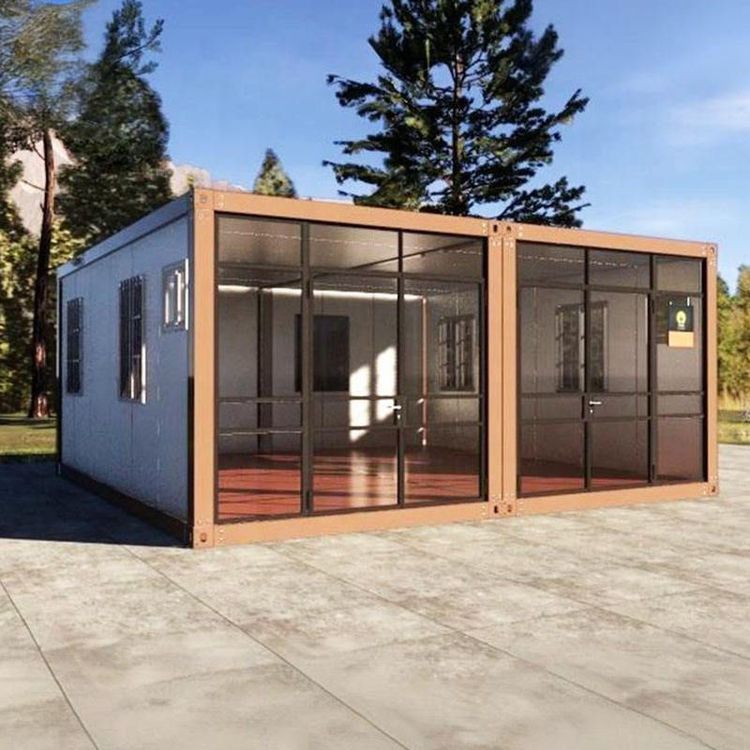
Prefabricated houses have a wide range of uses, covering residential, industrial, office, temporary buildings, special-function buildings, and overseas commercial projects, among other fields.
Residential Buildings
Prefabricated houses are most commonly used in the residential sector. In the early days of residential construction in China, prefabricated panel structures were widely adopted, such as multi-story residential buildings, brick-concrete residential buildings, and large-panel residential buildings built before 1985. In rural areas, prefabricated houses are favored for their low cost and fast construction. For example, in rural areas of Henan, the cost per square meter of a prefabricated house is about 300 yuan, and custom designs are supported to meet family housing needs.Industrial Plants
From the late 1950s to the mid-1980s, prefabricated concrete technology became the mainstream construction method for single-story industrial plants. Its standardized components and rapid assembly characteristics significantly shortened the construction cycle of industrial facilities, meeting the efficiency demands of industrial production.Office Buildings
In multi-story office buildings, prefabricated concrete technology was once widely used. For example, prefabricated frame structures enabled the rapid construction of office spaces through the on-site assembly of prefabricated beams, columns, and other components, while ensuring structural stability.Temporary or Mobile Houses
Modular design is one of the core advantages of prefabricated houses. By prefabricating structural, wall, plumbing, and electrical systems in factories and assembling them on-site, they are suitable for scenarios such as temporary resettlement, post-disaster reconstruction, and construction site dormitories. For example, the Shenzhen affordable housing project used 6,028 concrete modules for assembly, significantly shortening the construction period and demonstrating the value of prefabricated houses in emergency and efficient construction.Special-Function Buildings
Prefabricated components also extend to non-residential scenarios, such as highway ditch covers and roof insulation layers. These components, produced through standardized manufacturing, balance functionality and durability, meeting the diverse needs of infrastructure construction.Overseas Exports and Commercial Applications
Chinese prefabricated houses have gained a foothold in the overseas construction market due to their short construction periods, energy efficiency, and environmental friendliness. Their applications cover commercial projects such as apartments and hotels. For example, in the first four months of 2026, the export volume of mobile houses from Guangzhou and Shenzhen increased significantly, reflecting international recognition of China's prefabricated construction technology.
Through industrialized production methods, prefabricated houses achieve rapid construction, cost optimization, and flexible adaptation to demand, becoming an important development direction in the modern construction field.