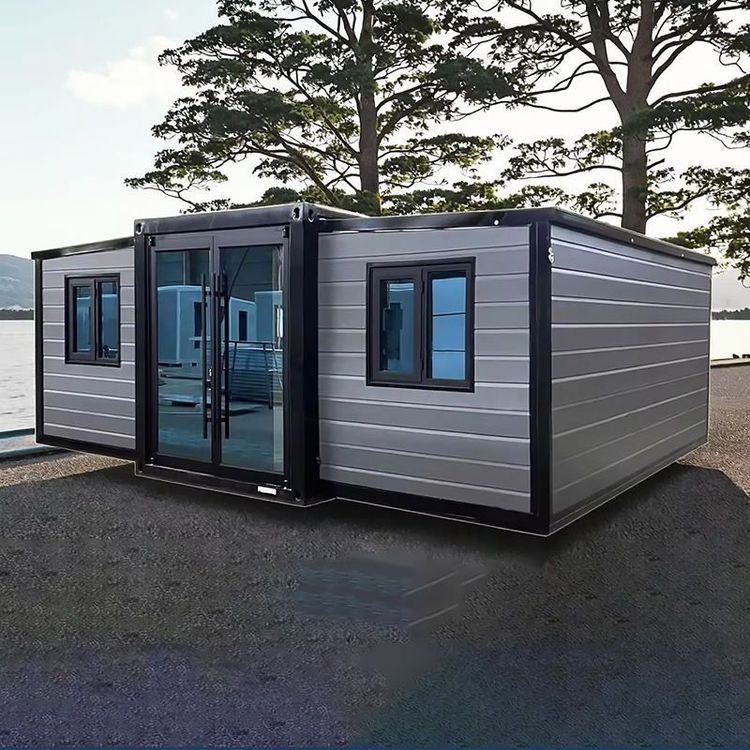
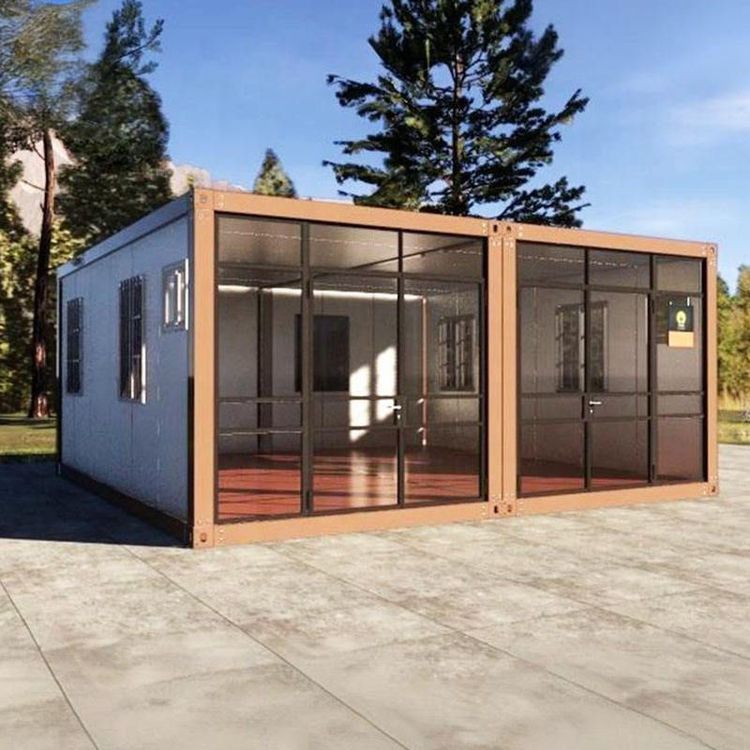
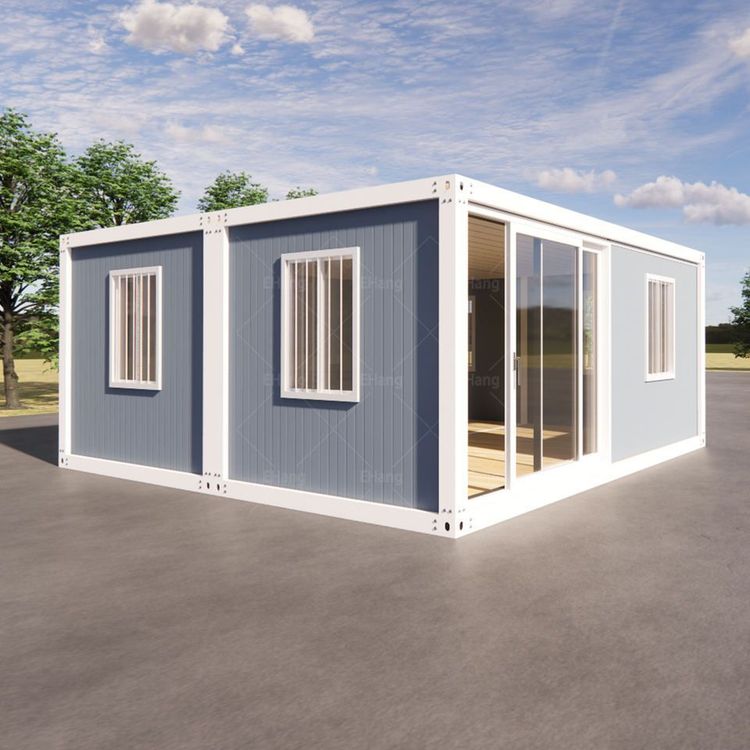
Why Container House Furnishing Matter: A Quick Guide
Container house furnishing holds significant importance in the current era, primarily due to its alignment with global trends in economic, environmental, and lifestyle transformations.

1. Economic Affordability: Alleviating Housing Cost Pressures
Global housing prices continue to outpace income growth, making traditional housing increasingly unattainable for low- and middle-income groups. Container houses provide basic living spaces at extremely low costs, with their furnishing designs further reducing expenses through modular and standardized solutions. For example, the use of lightweight materials and integrated furniture can shorten construction cycles and labor costs, resulting in total costs that are only one-third to one-half of those of conventional housing. This affordability not only meets the needs of first-time homebuyers but also provides efficient solutions for post-disaster reconstruction and temporary resettlement scenarios.
2. Sustainability: Promoting Circular Economy and Low-Carbon Transition
The traditional construction industry contributes approximately 40% of global carbon emissions, whereas container houses reduce resource consumption by reusing discarded shipping containers. The reuse of each standard container (about 2.5 tons of steel) avoids 1.5 tons of carbon dioxide emissions from its melting and remanufacturing. The furnishing process further enhances environmental attributes: the use of recycled wood, low-VOC paints, and other materials reduces indoor pollution; the integration of green technologies such as solar panels and rainwater harvesting systems reduces the carbon footprint of the house over its entire lifecycle by more than 60% compared to traditional buildings. This “waste-to-wealth” model directly responds to the climate goals of the Paris Agreement, becoming an important practice for governments and businesses to advance carbon neutrality.
3. Lifestyle Adaptation: Meeting Diverse Housing Needs
In the post-pandemic era, the surge in remote work and digital nomad populations has spurred demand for flexible, multi-functional living spaces. Container house furnishing achieves “one room, multiple uses” through designs such as removable partitions and hidden storage—serving as a workspace during the day and converting into a bedroom at night; through structural adjustments like stacking and splicing, they can be quickly expanded into multi-bedroom family homes or shared community units. Additionally, their mobility supports a travel lifestyle of “living where the scenery is” or serves as standardized solutions for special scenarios such as research stations in remote areas and wilderness camps.
Conclusion
Container house furnishing has transcended mere space decoration, becoming a comprehensive solution to address housing crises, climate challenges, and lifestyle transformations. Its design logic and material selection represent a deep exploration of efficient resource utilization, environmental responsibility, and the balance of human needs, foreshadowing the evolutionary direction of future living forms.