Prefabricated House Structure
Prefabricated house structure is a form of construction that involves the industrial production of building components and their on-site assembly. The main types include panel-assembled, box-assembled, and frame-assembled structures, with technologies encompassing prefabricated concrete and steel structures, and components including prefabricated beams, slabs, walls, and columns.

Panel-assembled buildings: These use prefabricated wall panels and floor slabs as core components. This structural form can expand the usable area of a building because the standardized production of its components reduces errors and waste during on-site construction. However, it also has certain limitations, with relatively low design flexibility. Since the dimensions and shapes of wall panels and floor slabs are typically pre-designed, there may be restrictions on building layout and functional adjustments.
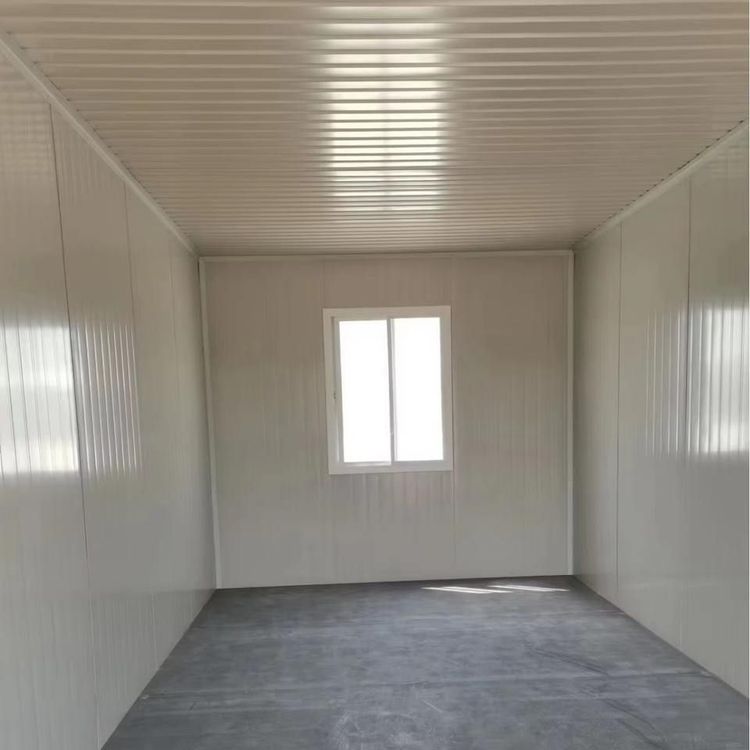
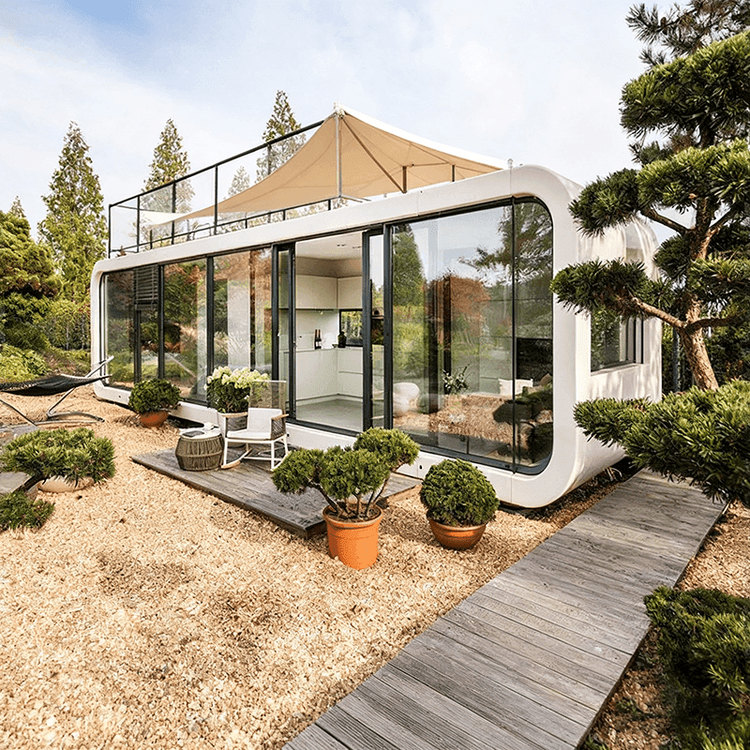
Box-assembled buildings: These are combined through prefabricated functional units. Their significant advantage lies in a substantial increase in construction speed, which can be improved by 50%-70%. This is because most components are already manufactured in the factory, and only assembly is required on-site, reducing the construction period. However, this structural form has high requirements for transportation and lifting equipment, as the prefabricated functional units are usually large in volume and heavy in weight, requiring professional transportation tools and lifting equipment to ensure safe transportation and accurate installation.
Modular buildings: These represent a more highly integrated mode of prefabricated construction. They divide a building into individual modules, which are manufactured in the factory and then transported to the site for assembly. For example, the ceiling, floor, water and electricity pipelines, and even the waterproof layer of the bathroom are all manufactured on an assembly line in the factory. This structural form is characterized by a high degree of standardization and industrialization, ensuring the consistency and stability of building quality, while significantly shortening the construction period and reducing the environmental impact of on-site construction.