Back to blog
Article
Is the Prefabricated House Finished Product Good?
Admin September 18, 2026
Whether the prefabricated house finished product is good depends on specific needs, as it has both advantages and disadvantages.

Advantages:
- Rapid Construction: On-site assembly takes only a few days to a few weeks, shortening the construction period by more than 50% compared to traditional buildings. For example, a 100-square-meter prefabricated house may be completed in 1-2 months, while a traditional brick-and-mortar structure takes more than 6 months.
- Cost Control: Standardized factory production reduces material waste, and the cost per square meter for mass-produced prefabricated houses is usually lower than that of traditional brick-and-mortar houses. The construction cost of ordinary prefabricated houses ranges from 1,000 to 3,000 yuan per square meter, far lower than the over 5,000 yuan per square meter for traditional high-end residences.
- Environmental Protection and Energy Efficiency: Factory production reduces on-site dust, noise, and waste pollution, and some products use recyclable materials, aligning with green building concepts. For example, some prefabricated houses launched by domestic brands meet national green building standards in terms of energy efficiency design.
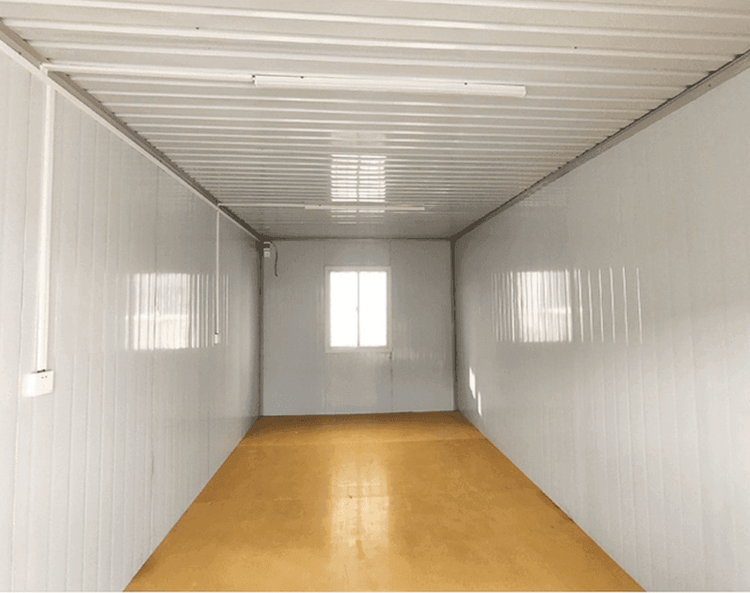
- Flexibility and Portability: Modular design supports customized layouts, and some products (such as container houses and light steel structure houses) can be relocated as a whole without secondary demolition and reconstruction.
- Stable Quality: The factory environment is controllable, with small component errors, resulting in more stable quality than traditional on-site construction. For example, factory prefabrication errors do not exceed millimeters, and seismic tests can withstand specific levels of earthquakes.
Disadvantages:
- Quality Risks: If construction is not standardized, foundation settlement or wall cracks may occur within 5 years, with more problems arising in low-temperature construction environments. Some cases show that maintenance costs after 5 years may account for a quarter of the construction cost.
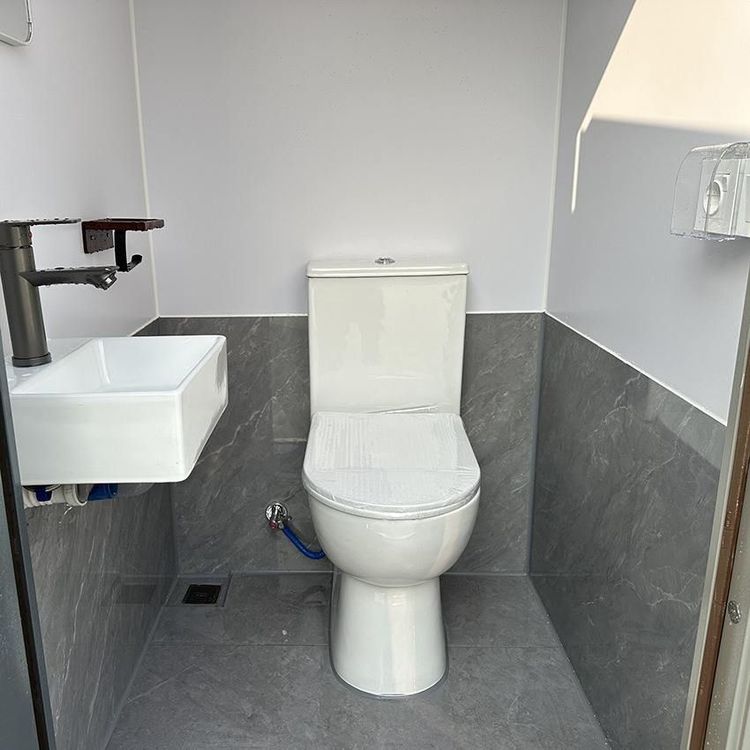
- Sound Insulation and Waterproofing Issues: Prefabricated panels have poor sound insulation, and the water leakage rate at joints is nearly twice that of traditional buildings, requiring regular maintenance. For example, water may leak from the upstairs bathroom to the downstairs.
- Design Limitations: Currently, they are mostly used for low-rise buildings, with facades prone to color differences, which may reach 15%-20% after 5 years. Load-bearing walls cannot be modified, making it difficult to adjust the layout.
- Durability and Seismic Resistance: The design life of conventional simple models is about 30-40 years, and maintenance becomes difficult after aging. Some cement prefabricated houses have poor seismic performance and are prone to collapse during earthquakes.
Applicable Scenarios: Suitable for temporary dormitories on construction sites, post-disaster transitional settlements, outdoor commercial sites (such as convenience stores), and low-cost short-term homestays. High-quality steel structure modular prefabricated houses can be used for long-term residence, with a lifespan of over 50 years.