
Prefabricated House Finished Concrete
The price of prefabricated house finished concrete varies due to differences in brand, region, and product type, with its core advantage lying in the efficiency improvement and construction convenience brought by factory-based prefabrication processes.
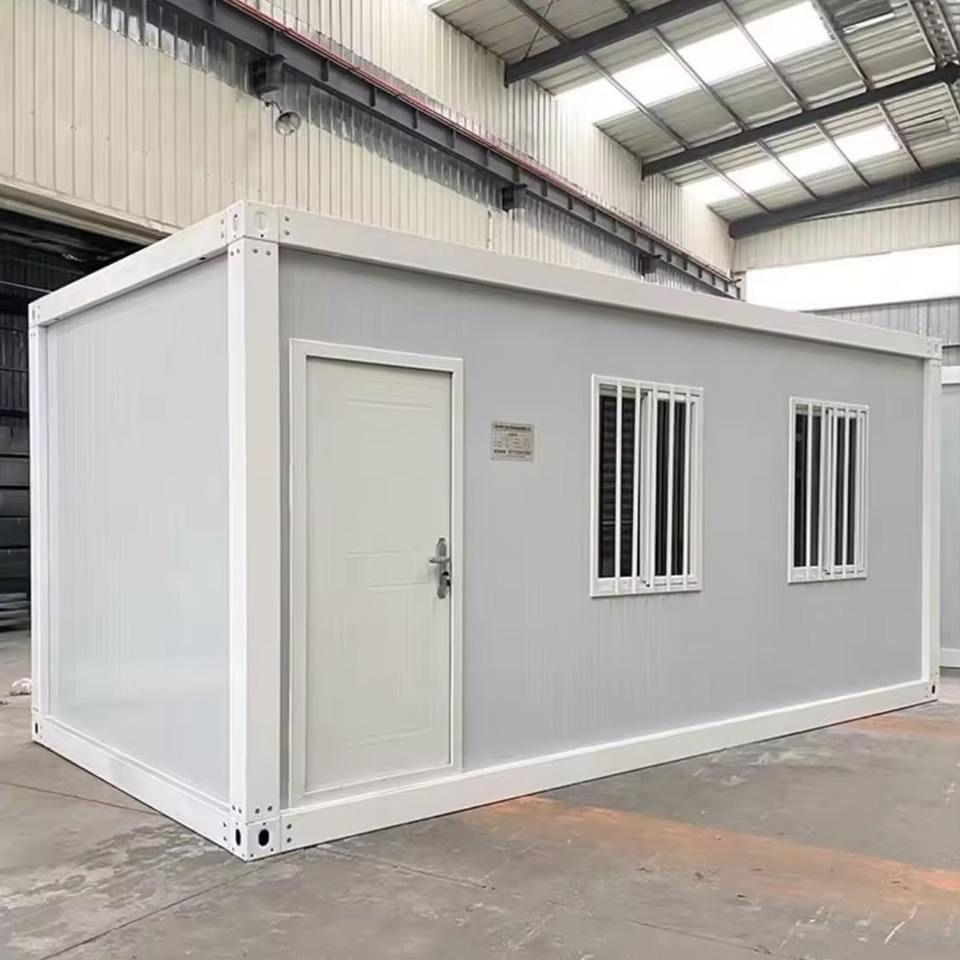
I. Price Range and Influencing Factors
The price of prefabricated house finished concrete is influenced by multiple factors, with brand differences being a primary one. For example, the Xinweihongtu brand in Dingzhou City, Baoding, Hebei Province, is priced at 255.00 yuan per square meter, while the Shengxin brand in Hanzhong, Shaanxi Province, reaches as high as 650.00 yuan per square meter, reflecting differences in material quality, process standards, or market positioning among brands. Regional differences are also significant, as transportation costs, local market demand, and competitive environments can lead to varying quotes for the same brand in different regions. Additionally, product type affects the price; for instance, the selling price of reinforced concrete prefabricated house combined integrated units is 450.0 yuan per square meter, with such products potentially commanding higher prices due to higher integration levels or additional features (e.g., insulation, waterproofing).
II. Core Advantages of Concrete Component Prefabrication Processes
The core technology of prefabricated houses is the concrete component prefabrication process, which involves pre-processing and manufacturing building concrete components in factories or on-site. This process offers three major advantages:
- Labor savings: Factory-based production reduces reliance on on-site labor through standardized processes and mechanized equipment, particularly suitable for regions with high labor costs.
- Overcoming seasonal impacts: Traditional on-site concrete pouring is susceptible to weather conditions such as rain, snow, and low temperatures, whereas prefabrication processes can be completed indoors, ensuring construction continuity and shortening project durations.
- Facilitating year-round construction: Prefabricated components can be produced in advance and stored, allowing for flexible allocation based on project progress and avoiding work stoppages due to material supply or weather conditions, thereby improving overall efficiency.
III. Application Scenarios and Selection Recommendations
Prefabricated house finished concrete is widely used in scenarios such as temporary buildings, rural self-built houses, and post-disaster reconstruction. Selection should consider budget, project duration, quality requirements, and local policies. For example, projects with limited budgets and tight schedules may prioritize lower-priced brands; for scenarios requiring high structural strength or durability, attention should be paid to whether products comply with national standards (e.g., GB/T 51231-2016 "Technical Standard for Prefabricated Concrete Buildings"). Additionally, it is recommended to confirm component quality through on-site inspections or third-party testing to avoid safety hazards caused by low prices.



