Export Tax Rebate for Prefabricated Houses
China's export of prefabricated houses is eligible for tax rebate policies, provided that certain conditions related to goods and enterprises are met, the rebate is calculated using specific methods, and corresponding procedures are followed, while also paying attention to policy updates and optimization measures.
Scope of Application and Conditions
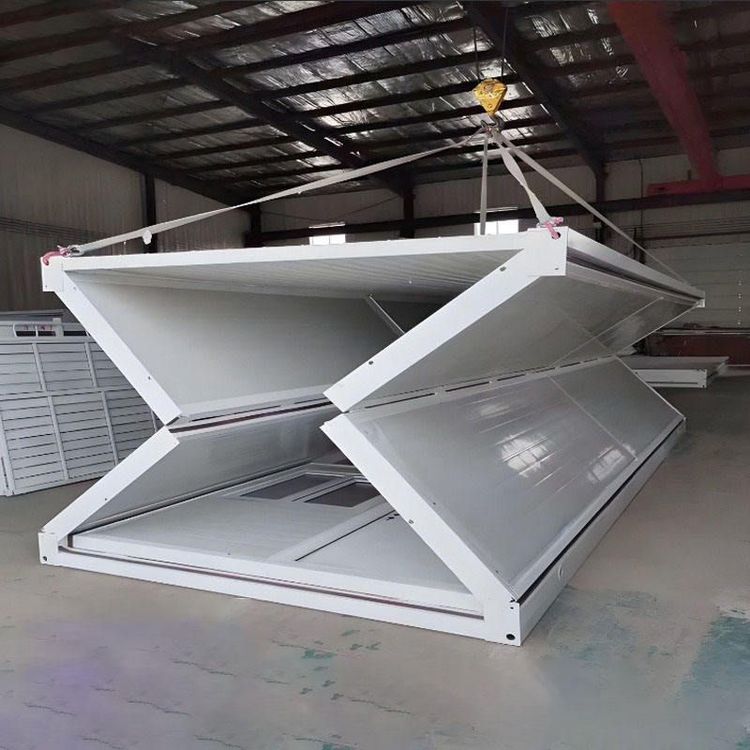
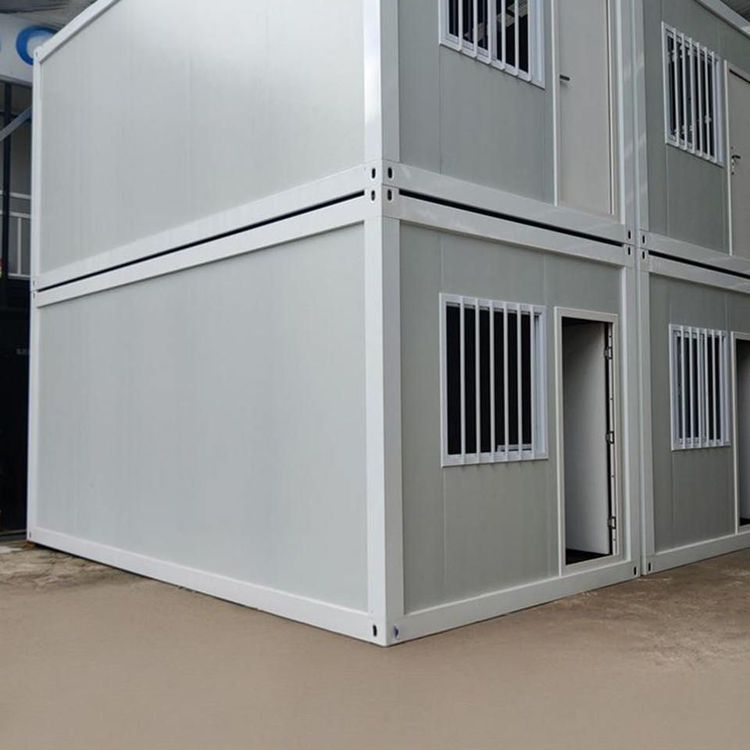
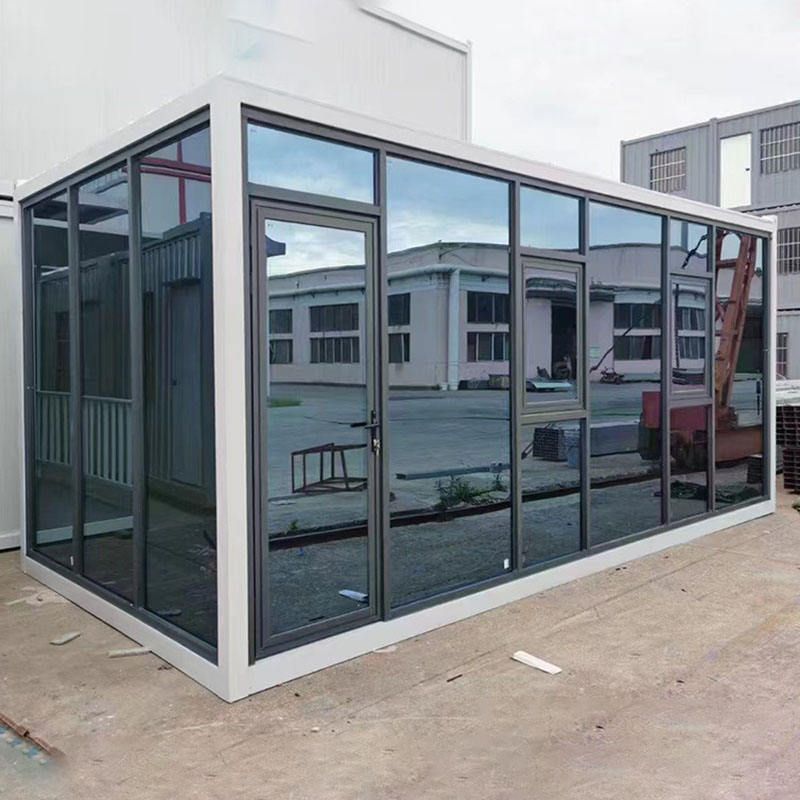
To be eligible for export tax rebate policies, prefabricated houses, as exported goods, must meet various conditions. In terms of goods scope, they must fall within the scope of value-added tax and consumption tax, have been declared for customs clearance and left the country, and be treated as sales in financial terms with foreign exchange settlement and verification. The scope of enterprises includes production enterprises, which encompass those that export self-produced goods directly or through commission, foreign trade enterprises that purchase and then export directly or through commission, and specific enterprises. Only when both the goods and enterprise conditions are met can the export of prefabricated houses be eligible for tax rebate policies.
Tax Rebate Calculation Methods
Different types of enterprises use different methods to calculate tax rebates. Production enterprises adopt the 'exemption, credit, and refund' method, where 'exemption' refers to the exemption of value-added tax on the production and sales环节; 'credit' involves offsetting the input tax on raw materials used in exported goods against the tax payable on domestic sales; and 'refund' refers to refunding the uncredited portion. Foreign trade enterprises use the 'tax collection first and then refund' method, where the export sales环节 is exempt from tax, and the tax rebate is calculated based on the purchase cost and the rebate rate. For example, if a foreign trade enterprise purchases a prefabricated house at a cost of 1 million yuan and the assumed rebate rate is 13%, the tax rebate amount the enterprise can receive is 1 million yuan × 13% = 130,000 yuan.
Tax Rebate Procedures
The tax rebate procedures involve multiple steps. First, enterprises need to undergo export goods tax rebate (exemption) certification with the tax authorities. Next, they collect relevant tax rebate documents, such as export goods customs declaration forms and value-added tax special invoices, which serve as important evidence for proving the authenticity of export transactions and calculating tax rebates. Then, they enter the collected data into the system and conduct a preliminary declaration. After that, the tax authorities will review the declared data. Upon approval, they will proceed with tax rebate approval and treasury disbursement, and the enterprise will ultimately receive the tax rebate funds.
Policy Updates and Optimization Measures
The state adjusts export tax rebate policies based on the economic situation. To address economic challenges, it may increase the export tax rebate rates for certain products. If prefabricated houses fall within the scope of adjustment, enterprises can enjoy higher rebate rates, thereby increasing their tax rebate benefits. At the same time, the promotion of paperless declaration reduces the use of paper documents, speeds up the review process, shortens the tax rebate cycle, improves enterprise capital turnover, and helps enterprises better carry out export business.