Prefabricated House Construction
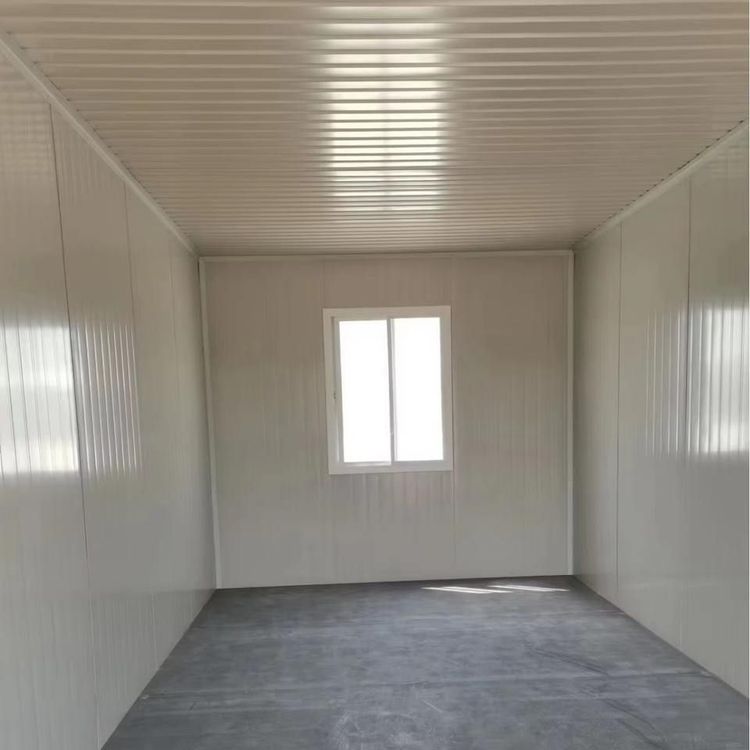
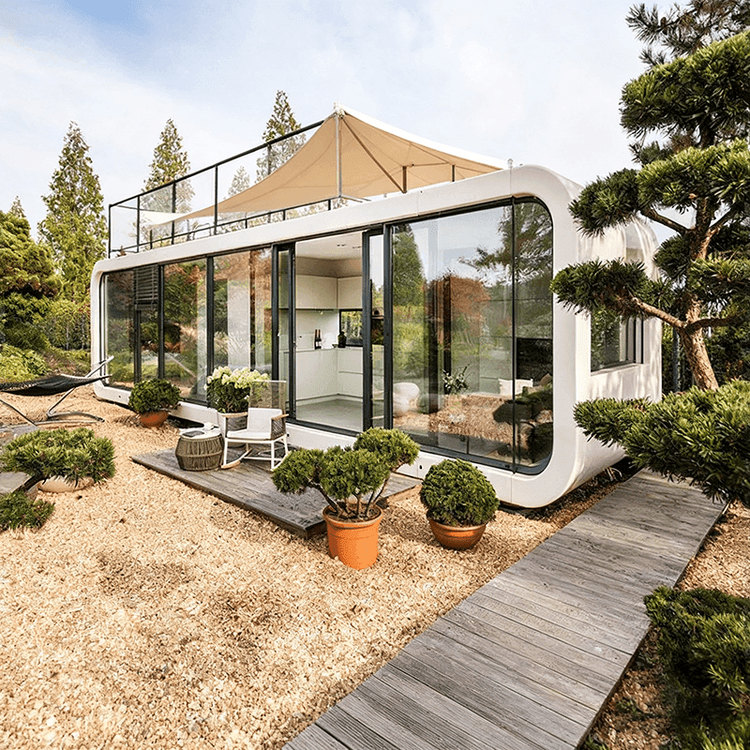
Prefabricated house construction is a building method where building modules or components are prefabricated in factories and then transported to the site for assembly. It offers advantages such as short construction periods, controllable quality, and environmental protection and energy conservation.

Construction Methods and Processes
Prefabricated house construction mainly falls into two categories: modular construction and prefabricated construction. Modular construction breaks down buildings into independent modules such as ceilings, floors, walls, and plumbing and electrical lines. These modules are manufactured in factories and then transported to the site for assembly. For example, a public housing project in Shenzhen, Guangdong, was completed by assembling 6,028 concrete modules, reducing the construction period from 2.5-3 years to 1 year and cutting on-site labor by about 50%. Prefabricated construction shifts traditional on-site operations to factories, where components such as floor slabs, wall panels, and stairs are prefabricated and then transported to the site for assembly using reliable connection methods. The technology covers concrete structures, steel structures, etc., and adopts standardized design, factory production, and assembly construction. For example, the Nanjing Jindi Yufang project uses a prestressed prefabricated concrete integrated frame structure system.
Technical Types and Characteristics
Prefabricated house construction features diverse technical types. Panel-based prefabrication uses prefabricated wall panels and floor slabs as core components, allowing for expanded usable area but limited design flexibility. Box-based prefabrication combines prefabricated functional units, increasing construction speed by 50%-70% but requiring higher transportation and lifting equipment. Frame-based prefabrication adopts prefabricated frame structures, such as composite frame systems, balancing structural strength and construction efficiency.
Core Advantages
Prefabricated house construction significantly shortens construction periods through factory prefabrication and on-site assembly, reducing construction time by over 60% compared to traditional buildings. Factory production employs high-precision control, minimizing human errors and ensuring controllable quality. On-site noise, dust, and construction waste are reduced, with construction waste cut by over 70%, promoting environmental protection and energy conservation. Modular design facilitates later maintenance and renovation, offering flexible upkeep.
Policy and Market Development
At the policy level, by 2025, 80% of newly started prefabricated buildings in Hainan Province will be prefabricated, and starting from 2026, 100% of residential land sold in Guangzhou will implement prefabricated construction. In the market, the global modular building market is expected to exceed $142.8 billion by 2030. In the first four months of 2026, Guangzhou Customs exported movable houses worth 1.4 billion yuan, a year-on-year increase of 38.1%, indicating rapid industry development.