
Back to blog
Article
Advantages and Disadvantages of Prefabricated Houses
Admin September 18, 2026
The advantages of prefabricated houses include cost and time savings, reliable quality, excellent environmental performance, extended service life, improved thermal insulation and sound insulation, fast construction speed, and low post-maintenance costs; the disadvantages include poor sound insulation, inconsistent service life, poor thermal insulation and waterproofing, quality risks, cost affected by various factors, design limitations, and increased maintenance costs after 20 years.
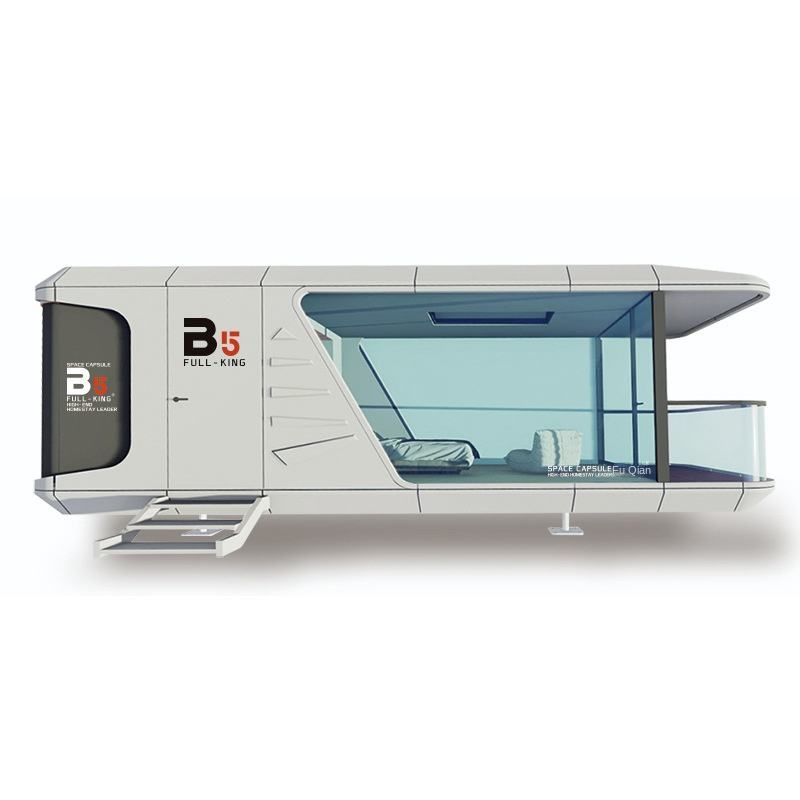
Advantages
- Cost and Time Savings: Factory production reduces material waste by about 30% and shortens the construction cycle by 50% to 70%. For example, prefabricated houses in rural areas of Henan cost around 300 yuan per square meter, with the main structure assembled in as little as two hours. Mass production reduces material costs by 20% to 40% and labor costs by about 60%.
- Reliable Quality: Prefabricated components are produced using high-precision molds, enhancing concrete strength. They have passed seven-level earthquake simulation tests and can reach eight-level standards with reinforced concrete monolithic pouring techniques.
- Excellent Environmental Performance: The use of recyclable materials reduces construction waste by 8%, with a material recycling rate exceeding 90%. Carbon emissions are halved, and some projects have received international certifications.
- Extended Service Life: With new technological improvements, the service life can reach 70 years, far exceeding that of early products.
- Improved Thermal Insulation and Sound Insulation: Sandwich insulation design optimizes sound and thermal insulation effects, although early products may have sound insulation defects.
- Fast Construction Speed: Factory-prefabricated modules are ready for shipment in 7 days, and on-site assembly is 60% to 70% faster than traditional methods. The framework of a single-story building can be completed in just a few days.
- Low Post-Maintenance Costs: These are 40% lower than those of traditional houses, offering significant long-term cost advantages.
Disadvantages
- Poor Sound Insulation: Some products have sound insulation that is 20 decibels worse, and insufficient thickness of prefabricated panels makes noise from upstairs clearly audible.
- Inconsistent Service Life: Early products have a lifespan of only 20-40 years, far below the 70-year standard for commercial housing, posing a risk of collapse after aging.
- Poor Thermal Insulation and Waterproofing: Insufficient sealing at component joints leads to poor temperature control; the roof has a high water leakage rate, with joint leakage rates nearly double those of traditional buildings, requiring regular maintenance.
- Quality Risks: Non-standard construction can lead to foundation settlement or wall cracks within five years, with more pronounced issues in low-temperature environments. Maintenance costs may account for a quarter of the construction cost.
- Cost Affected by Various Factors: Rising cement prices reduce cost advantages, and high transportation costs in remote areas affect economic efficiency, which is subject to market fluctuations.
- Design Limitations: Currently, they are only suitable for buildings up to two stories high, with prominent color differences on exterior facades. After five years, 15%-20% of the area may require re-maintenance.
- Increased Maintenance Costs After 20 Years: Annual maintenance costs increase by an additional 1,500-3,000 yuan, raising long-term holding costs.



