Back to blog
Article
Prefabricated Container Module House
Admin September 15, 2026
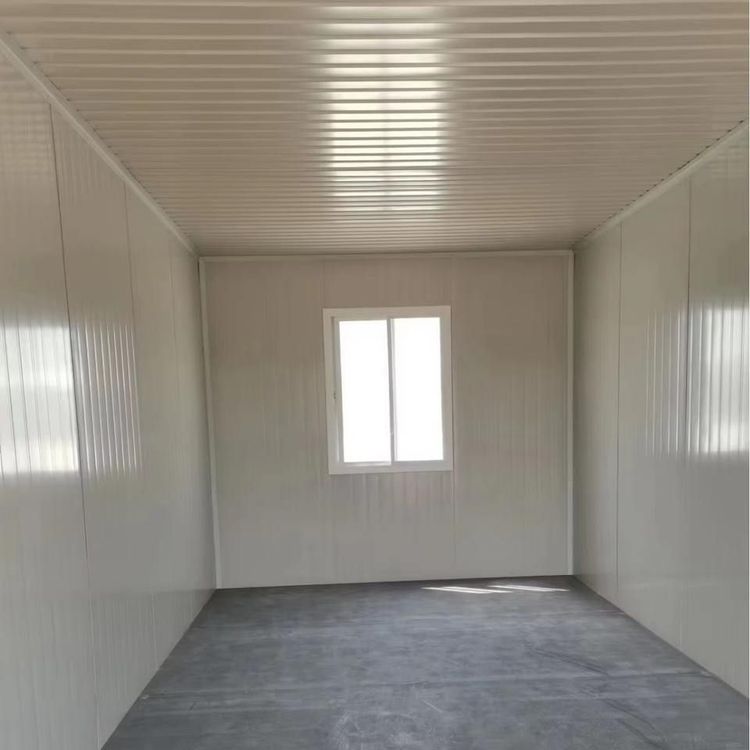
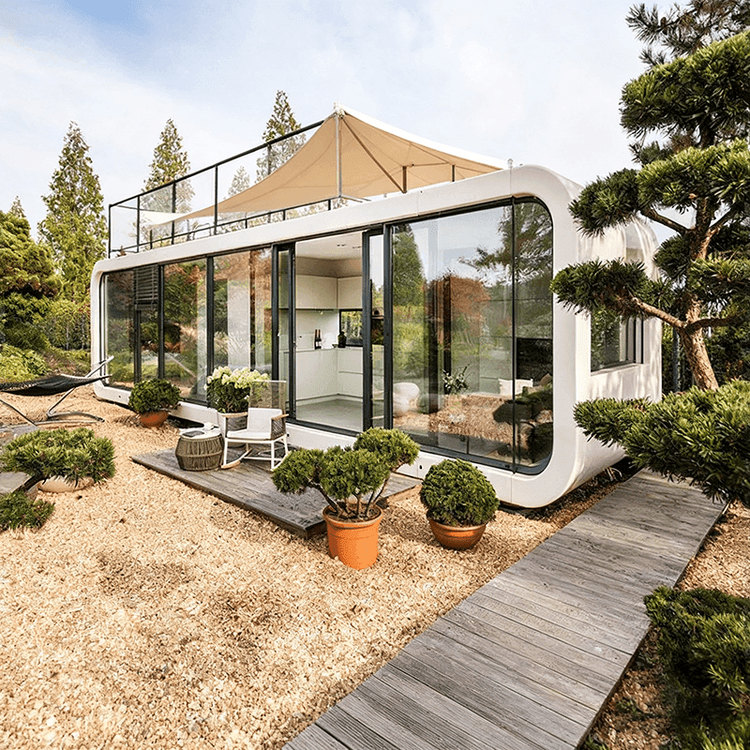
A prefabricated container module house is a construction model that involves disassembling a complete house into standardized modules, completing most of the construction processes in a factory, transporting them to the destination by sea or other means, and then quickly assembling them.

Construction Process:
- Factory Prefabrication: The entire building is divided into independent house modules. Inside the factory, all processes including the main structure, water and electricity pipelines, bathroom waterproofing, sanitary equipment, cabinets, and wardrobes are completed. Similar to car manufacturing on an assembly line, some steps involve robotic collaboration to ensure manufacturing precision is stably controlled between 1 and 2 millimeters. For example, a structural modular smart factory in Guangdong has a fully automated production line over 400 meters long that operates continuously, producing up to 50 modules per day.
- Transportation: The prefabricated modules, like containers, can be transported globally by sea or other means. For instance, 87 modular houses set sail from Xiaomo International Logistics Port in the Shenzhen-Shanwei Special Cooperation Zone for Australia.
- On-site Assembly: Upon arrival at the destination, the modules are assembled like building blocks to form a complete building. Only water and electricity connections are needed on-site for immediate occupancy, with installation completed within a few days of arrival, significantly reducing construction time.
Advantages and Features:
- Short Construction Period: Using a parallel operation model, multiple processes are carried out simultaneously, shortening the construction period by more than 60% compared to traditional methods, and even by more than half in some cases. For example, the Suzhou Zhongnan team completed the delivery of 1,000 accommodation modules and supporting facilities within three months, 40% shorter than the industry average.
- Quality Control: Factory-standardized production ensures better quality. For example, the container mobile homes of Suzhou Zhongnan Steel Structure Co., Ltd. had a maximum frame deformation of only 2mm under the action of a Level 12 strong wind, far below the national standard limit of 10mm.
- Reusability: They can be reused multiple times, disassembled and reassembled repeatedly, and relocated to different sites, also reducing construction waste, dust, and noise pollution.
- Lower Cost: In some regions, the cost of modular housing imported from China is about 30% lower than that of local construction.