
Prefabricated Concrete Slabs for Roofs
Prefabricated concrete slabs for roofs were commonly used factory-made cement components in early 20th-century architecture. Molded through casting, they come in two types: solid and hollow, primarily used in scenarios such as floor slabs, thermal insulation layers, or ditch cover plates. However, they have defects like joint cracking and weak earthquake resistance, and have gradually been replaced by cast-in-place concrete and prefabricated buildings.
Manufacturing Process and Types
The production of prefabricated slabs begins with the creation of hollow wooden molds. Reinforcing bars are placed inside the molds before cement is poured. After drying, the wooden boards are removed to form the components. Based on structural differences, prefabricated slabs are divided into two types:
- Solid Prefabricated Slabs: Cast as a whole, they have strong load-bearing capacity but are heavy, imposing higher requirements on the building structure.
- Hollow Prefabricated Slabs: Lightweight is achieved by reducing non-load-bearing concrete, lowering material costs and减轻 (lightening) building loads, but they have poorer sound and thermal insulation properties.
Application Scenarios and Defects
Prefabricated slabs were widely used in early buildings, with common applications including:
- Floor Slabs: As load-bearing components between floors, enabling the rapid construction of multi-story buildings.
- Thermal Insulation Layers: Laid on roofs to reduce heat transfer.
- Infrastructure: Such as highway ditch cover plates and temporary building components.
However, their defects are significant:
- Joint Cracking: Cracks easily form at the joints between two slabs due to settlement or temperature changes, leading to water leakage or structural safety hazards.
- Insufficient Performance: Weak earthquake resistance and poor sound and thermal insulation effects make it difficult to meet modern building standards.
- Limited Lifespan: With a service life of about 30-50 years, they require evaluation for reinforcement or demolition after exceeding this period.
Alternative Technologies and Policy Orientation
With advancements in building technology, prefabricated slabs are gradually being replaced by the following methods:
- Cast-in-Place Concrete: Cast as a whole on-site, it has strong structural continuity, significantly improving earthquake resistance and durability.
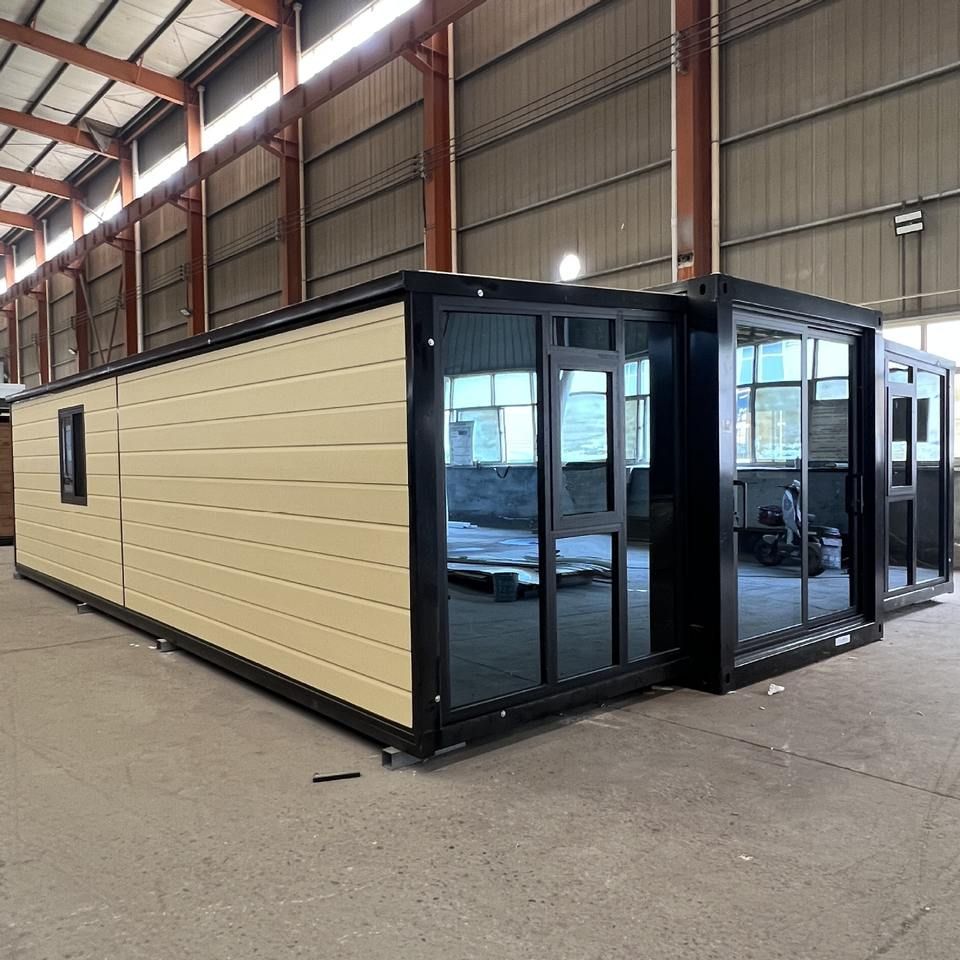
- Prefabricated Buildings: Using factory-made modules (such as CMC composite modules), earthquake resistance is enhanced through steel-concrete integral casting, shortening the construction period by 30% and aligning with green building trends.
Since 2022, China has implemented renovation policies for old buildings, focusing on repair and renovation of prefabricated slab houses, emphasizing structural reinforcement, pipeline updates, and living environment improvement. Only buildings that meet the criteria for dangerous houses are demolished, balancing the preservation of historical buildings with the safety needs of residents.



