
How About Prefabricated Concrete Houses
Prefabricated concrete houses have advantages such as low cost and fast construction, but they also have shortcomings like poor earthquake resistance and inadequate sound and heat insulation. Whether to choose them requires comprehensive consideration.
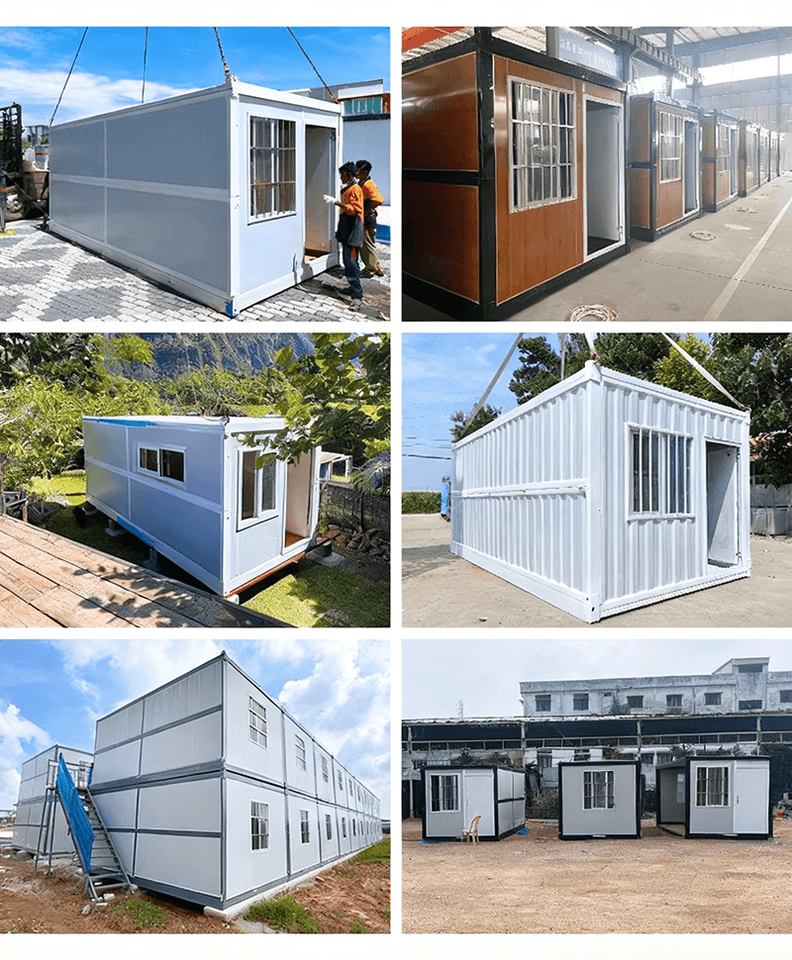
Significant Cost Advantage
Prefabricated concrete houses are highly attractive in terms of price. Their cost per square meter is approximately 300 yuan. Taking the construction of a two-story small building as an example, it can be completed for around 100,000 yuan, saving half the cost compared to traditional brick houses. For instance, in rural areas of Henan, a large villa built using the prefabricated concrete house method costs just over 100,000 yuan, which is undoubtedly an extremely attractive option for home builders with limited budgets.
Extremely Fast Construction Speed
The construction method of prefabricated concrete houses is similar to assembling building blocks. The factory pre-fabricates components such as wall panels and floor slabs in advance and then transports them to the site for assembly. The main structure can be assembled in just 4 hours, and occupants can move in within two or three days. Even constructing an entire building only takes two days. Compared to traditional construction methods, efficiency is greatly improved, and the construction period is significantly shortened, enabling quick satisfaction of people's housing needs.
Obvious Shortcomings
- Poor Earthquake Resistance: In earthquake-prone areas, prefabricated concrete houses pose significant safety risks. During earthquakes, these houses are usually the ones that collapse. Therefore, people in earthquake-prone areas are not suitable to choose this type of housing.
- Inadequate Sound and Heat Insulation: These houses perform poorly in terms of sound and heat insulation. In summer, the indoor temperature is high, like a steamer; in winter, it is extremely cold, like an ice cellar. Moreover, sounds from neighboring rooms can be clearly heard, affecting the comfort and privacy of living.
- Leakage at Joints: Over time, leakage problems are prone to occur at the joints, and the steel bars may also rust, which will affect the lifespan of the house. Although theoretically, it can last for 70 years, the actual service life depends on the construction quality.
- Inflexible Design: It is difficult to meet the personalized needs of the post-80s and post-90s generations, such as installing smart home systems and building garages. There are certain limitations in the functional design of the houses.



