Prefabricated Assembly New Type Housing
Prefabricated assembly new type housing is a building form that involves the industrial production of building components and their on-site assembly. It offers advantages such as short construction periods, controllable quality, and energy conservation and environmental protection, making it an important development direction in the construction industry.

Types and Technical Systems
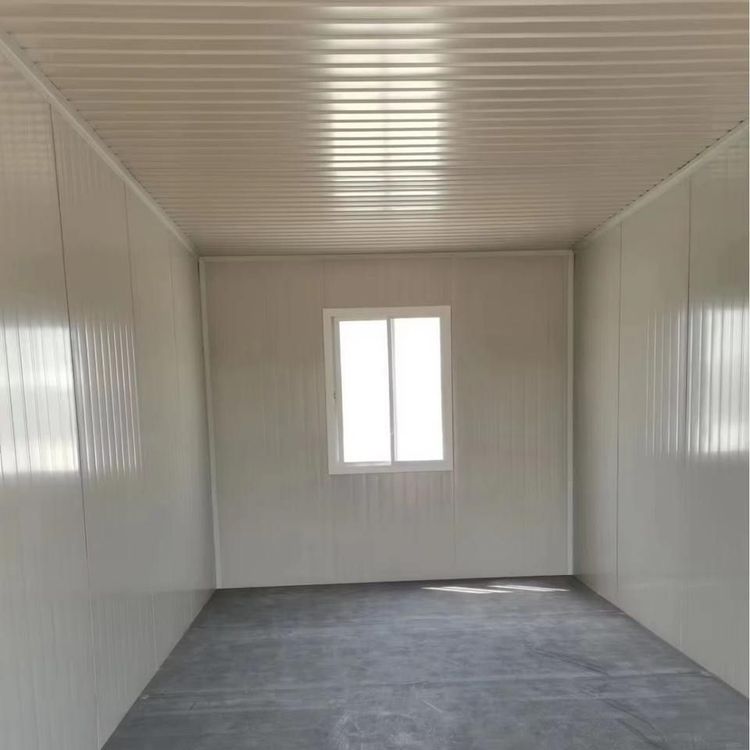
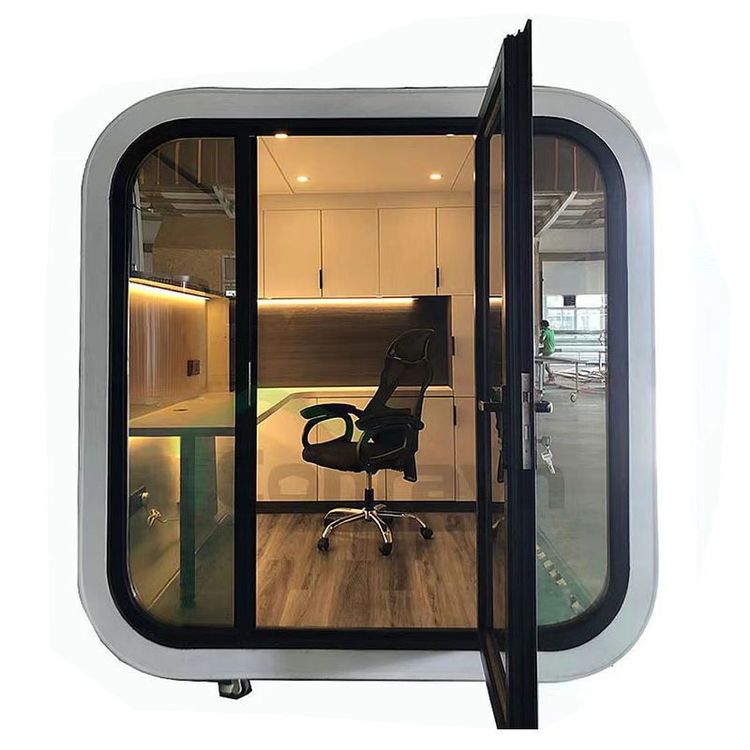
Prefabricated assembly new type housing is mainly divided into three categories: panel assembly, box assembly, and frame assembly. The technology encompasses prefabricated concrete structures and steel structures, with components including prefabricated beams, slabs, walls, and columns. Among them, modular construction represents a higher level of integration. It breaks down buildings into independent modules, completes the manufacturing of ceilings, floors, water and electricity pipelines, etc., in factories, and then transports them to the site for assembly, achieving 'building like stacking blocks'.
Advantages and Cases
Compared with traditional construction methods, prefabricated assembly new type housing has significant advantages:
- Short construction period: The construction speed of box assembly is increased by 50%-70%; the construction period of modular construction is shortened by more than 60%. For example, in a public housing project in Shenzhen, Guangdong, the completion and delivery period was reduced from 2.5-3 years to 1 year, and the on-site labor force was reduced by about 50%.
- Controllable quality: Standardized factory production reduces human errors and ensures high quality stability.
- Energy conservation and environmental protection: It significantly reduces on-site noise, dust, construction waste, and traffic congestion, meeting the requirements of green buildings.
- Easy maintenance: Components can be disassembled and replaced, extending the service life of buildings.
Development History and Policy Support
China's prefabricated concrete technology originated in the 1950s and was initially applied to factory and residential construction. In the 1970s, technical systems such as large-panel structures and box structures were formed. In the mid-1980s, it stagnated due to cost and quality defects. After the 21st century, it recovered due to production efficiency and environmental advantages, and companies such as Vanke Group developed prefabricated shear wall residential structural systems. At the policy level, the 'Opinions of the General Office of the State Council on Vigorously Developing Prefabricated Buildings' in 2016 identified the Beijing-Tianjin-Hebei region, the Yangtze River Delta, and the Pearl River Delta as key promotion areas. Hainan Province plans to have newly started prefabricated buildings account for 80% by 2025. Guangzhou will require 100% implementation of prefabricated buildings for residential land starting from 2026.
Market Prospects
Chinese prefabricated houses have been selling well overseas. In the first four months of 2026, the export of movable houses in the Guangzhou Customs area reached 1.4 billion yuan, a year-on-year increase of 38.1%. According to market research institutions, the global modular construction market size is expected to exceed 142.8 billion US dollars by 2030, indicating broad development prospects in this field.