
Back to blog
Article
Container House Picture in 2026: Buying Guide & Recommendations
Admin October 29, 2026
Buying Guide & Recommendations for Container Houses in 2026: Focus on Cost, Performance, Customization, and After-sales Support
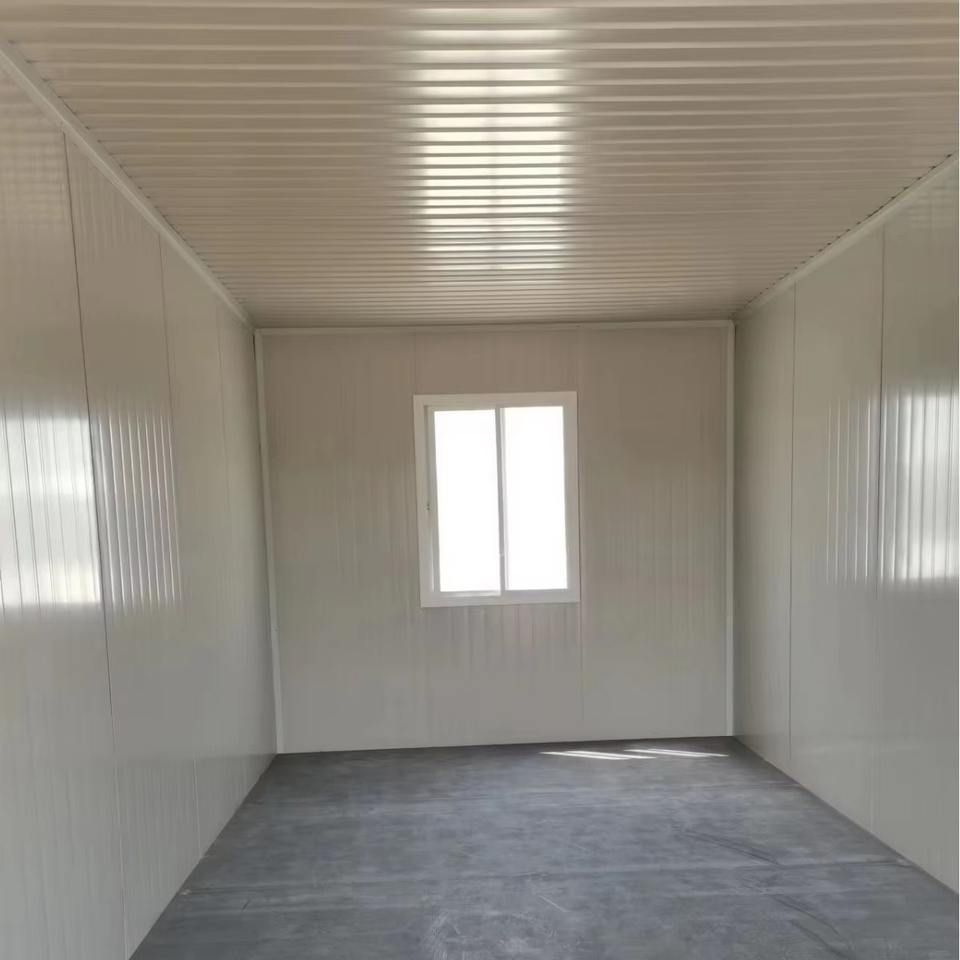
I. Core Features and Advantages
Container houses are built on the structural foundation of recycled freight containers or prefabricated modules, integrating industrial durability with modular design concepts. They offer the following core advantages:
- Significant Cost-effectiveness: A 40FT luxury model costs approximately $9,500 per unit, with bulk purchases (two or more units) reducing the price to $9,100 per unit. The price range for 20-40FT basic models is $3,850-$3,900 per unit, significantly lower than traditional construction costs.
- Rapid Deployment Capability: Standard units can be assembled by two skilled workers within 3 hours, making them suitable for emergency housing or short-term project needs.
- Extreme Environment Adaptability: The steel structure can withstand wind speeds of 220-280 km/h and seismic activity up to 8-10 on the Richter scale, making it suitable for earthquake zones or areas with strong winds.
- Environmental Protection and Sustainability: By reusing steel containers, carbon emissions and construction waste are reduced, aligning with global trends towards low-carbon construction.
II. Key Considerations for Purchase
- Specification and Scenario Matching:
- A 20FT unit is suitable for single occupants or small families; a 40FT unit can be expanded into a two-bedroom layout to accommodate multiple occupants.
- Application scenarios include apartments, villas, warehouses, and temporary offices, with module combinations selected based on functional requirements.
- Customization Options:
- Personalized design options are available for color, layout, and window/door placement. Some suppliers offer interior decoration packages (e.g., insulation layers, electrical systems).
- Quality Verification:
- Prioritize suppliers that provide Pre-Shipment Inspection (PSI) to ensure containers are rust-free, structurally intact, and comply with international standards (e.g., ISO container certification).
III. Service Guarantee System
- Payment and Logistics Security:
- Third-party escrow services (e.g., STS) are used to safeguard funds, with suppliers receiving payment only after buyer confirmation of delivery.
- Full-track freight services are provided, with platform logistics coordination to reduce transportation risks.
- After-sales Support:
- The platform assists in dispute resolution, supporting refunds or returns. A 1-year product warranty is provided, covering structural and functional defects.
IV. Recommended Application Scenarios
- Temporary Housing: Scenarios requiring rapid deployment, such as post-disaster reconstruction or construction site dormitories.
- Permanent Residences: Combine with solar panels and rainwater collection systems to create low-cost eco-friendly homes.
- Commercial Spaces: Creative stores like cafes and bookshops leverage the industrial aesthetic of container houses to attract customers.
Conclusion: When purchasing container houses in 2026, it is essential to consider cost, performance, customization needs, and after-sales support. Prioritize suppliers with international certifications and full-chain services to achieve a balance between cost-effectiveness and practicality.



