Portable Toilet Solar Explained: How to Choose the Right One
Choosing the right portable solar toilet requires comprehensive consideration from two core dimensions: the lighting system and overall functionality, combined with key indicators such as material, energy efficiency, safety certification, and scenario adaptability for decision-making.
I. Lighting System Selection: Prioritize Solar Motion Sensor Lights
If lighting is needed for a portable toilet, solar motion sensor lights are the core choice, with advantages reflected in four aspects:
- Smart Sensing and Energy Efficiency: Integrated with motion sensors, they automatically trigger lighting only when movement is detected, avoiding energy waste caused by continuous lighting while enhancing nighttime safety.
- Independent Energy Supply: Rely entirely on solar charging, eliminating the need for grid connection. Long-term usage costs are reduced by approximately 30% compared to traditional lighting, making them suitable for outdoor scenarios without fixed power sources.
- Environmental Adaptability: Made of anti-corrosion PC/plastic materials with an IP55 protection rating, they can withstand dust, water splashes, and extreme weather (such as heavy rain and high temperatures), ensuring stable operation under harsh conditions.
- Installation Flexibility: Designed specifically for mobile spaces, they support quick installation without complex wiring and are compatible with portable toilet structures of different sizes.
II. Overall Solution Selection: Focus on Modularity and Safety
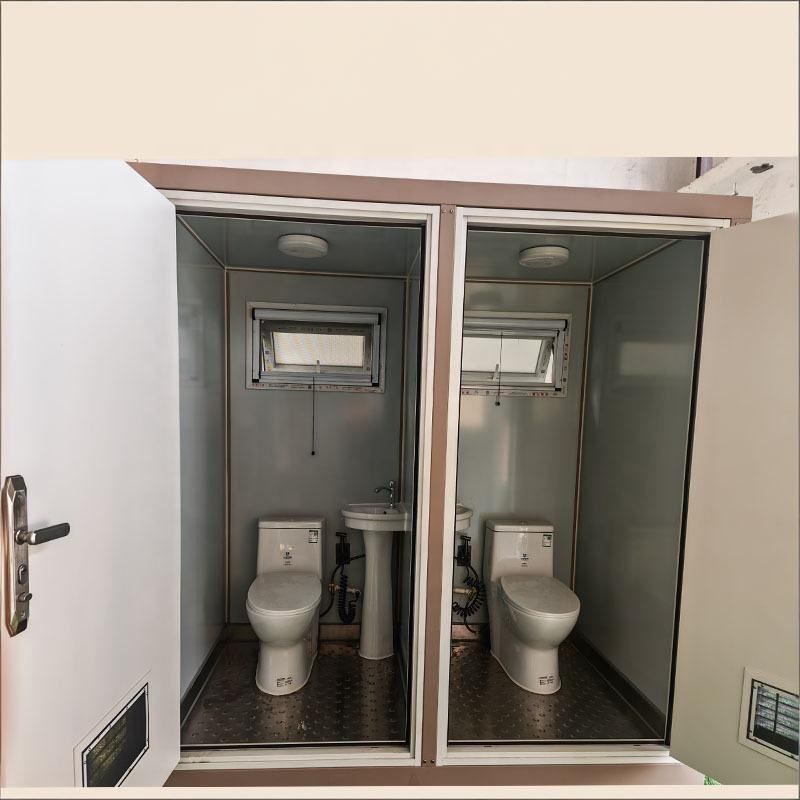
If complete portable toilet equipment is needed, the following characteristics should be evaluated:
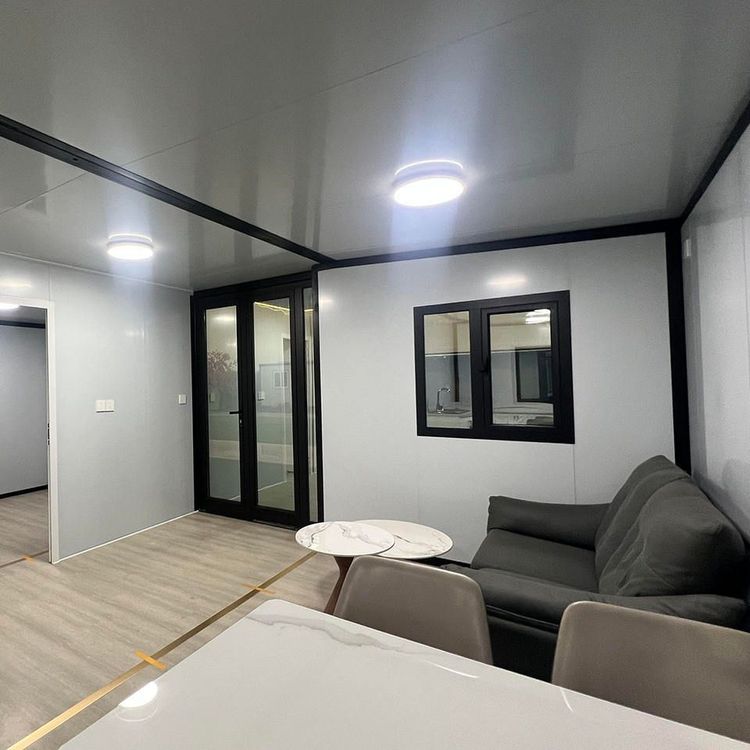
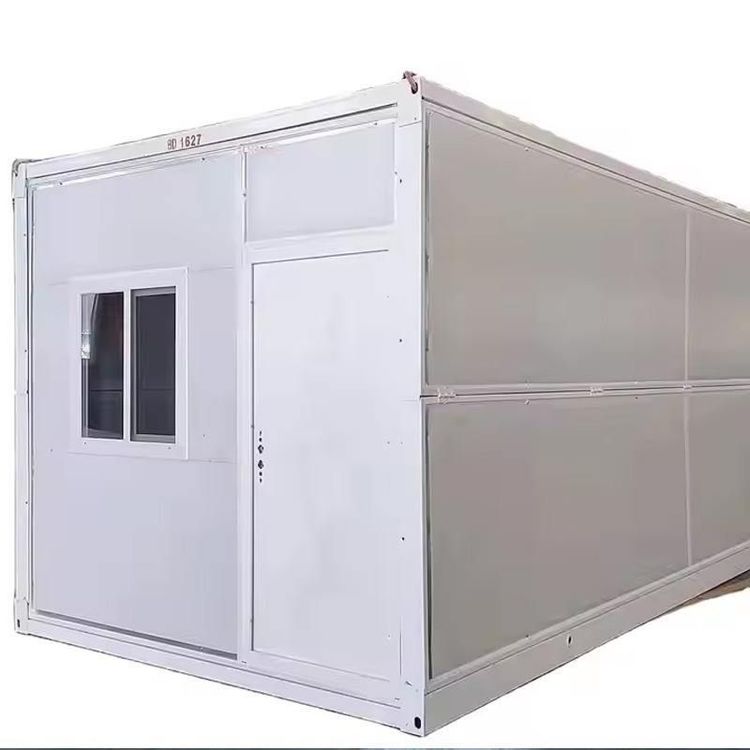
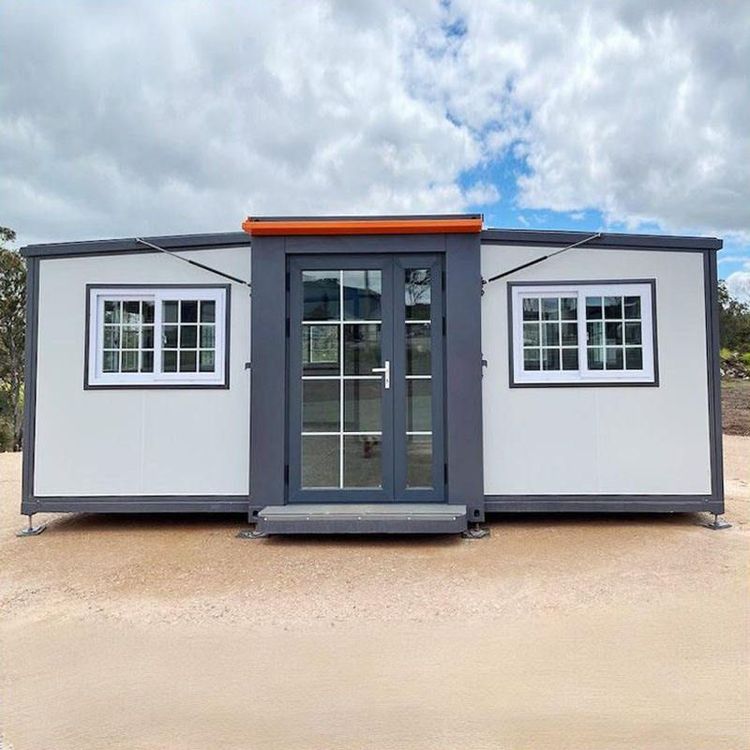
- Material and Durability: Prioritize structures combining steel frames with waterproof plastic panels. The steel frame provides sturdy support, while the waterproof plastic panels reduce weight and facilitate transportation while resisting outdoor corrosion.
- Modular Design: Supports brand customization (such as color and logo) and climate adaptability (such as dedicated models for high/low-temperature regions). Additional features like hands-free sanitizer dispensers and trash storage can be included to meet diverse needs.
- Safety Certification: Compliance with standards such as CE (EU safety certification) and RoHS (environmental material certification) ensures the equipment is free of harmful substances and meets global safety regulations, reducing usage risks.
- Scenario Adaptability: Suitable for temporary events (such as music festivals), construction sites, public areas, and other locations requiring rapid deployment. The modular structure supports quick assembly and disassembly, improving usage efficiency.
III. Comprehensive Decision-Making Recommendations
Prioritize needs based on usage scenarios: If only lighting upgrades are needed, directly choose solar motion sensor lights; if complete equipment is required, first confirm whether the scenario requires modular functions (such as additional sanitizer dispensers), then filter brands based on material durability and safety certification. For example, construction sites can focus on steel frame structures and IP55 protection, while public event areas can incorporate brand customization elements to enhance their image.