Portable Toilet Eco-Friendly Custom Buying Guide: Options & Tips
When customizing and purchasing eco-friendly portable toilets, it is essential to consider material certifications, scenario adaptability, functional customization, and market trends. Here is a detailed guide:
1. Prioritize eco-friendly materials and certified products
The core of eco-friendly portable toilets lies in material sustainability. It is recommended to choose corrosion-resistant and durable plastic structures, which are 30% lighter than traditional metal models and highly corrosion-resistant, making them suitable for long-term outdoor use. Additionally, pay attention to European environmental certifications (such as German and French EPR certifications), as these products comply with strict environmental packaging standards and can reduce ecological footprints. Furthermore, modular design products are more desirable, as their detachable components facilitate maintenance and material recycling, extending the product lifecycle.
2. Match functional types to scenarios
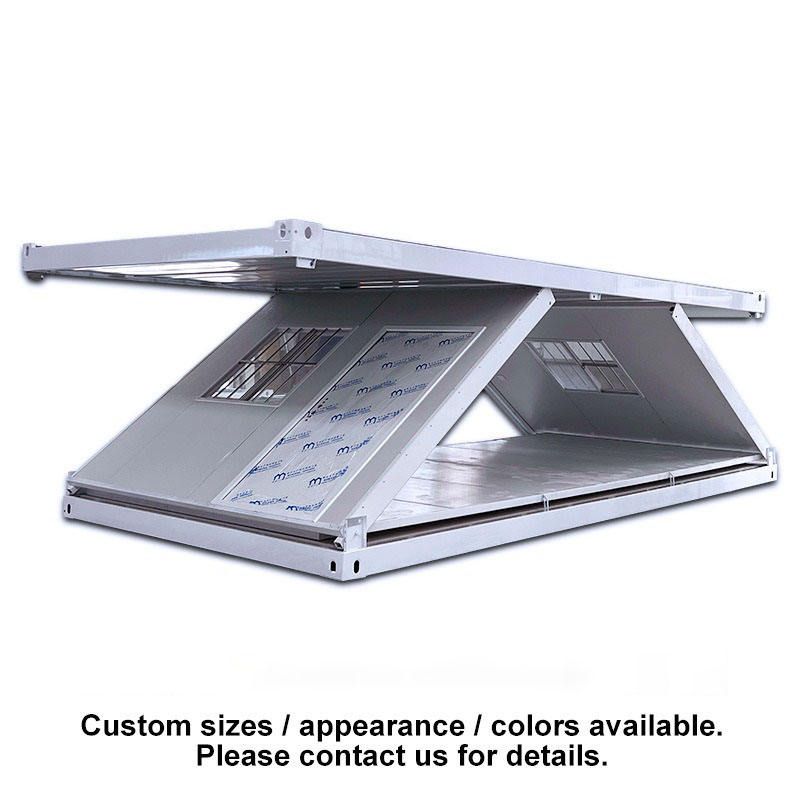
- Outdoor activities: Foldable designs (such as the JS-MT model) are the top choice, as they save space and come equipped with seats, lids, and toilet paper holders, making them ideal for camping, traveling, or emergencies.
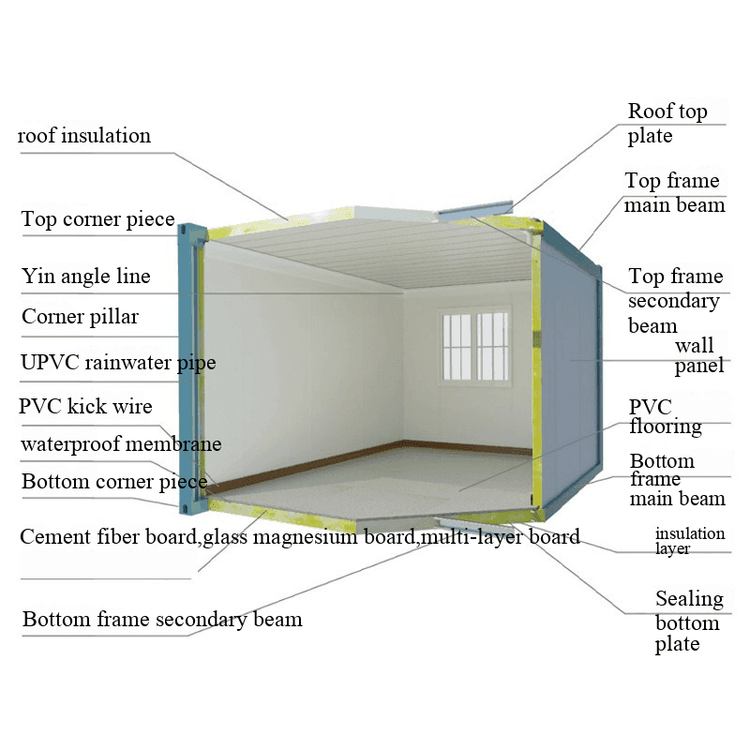
- Public/commercial use: Large mobile toilets (such as the SUT-01 model) feature steel structures and fiberglass foam panels, supporting custom colors, solar systems, and heating functions. They are suitable for high-traffic scenarios like construction sites, weddings, or temporary offices.
- Off-grid living: Composting toilets are becoming a mainstream trend in 2026 due to their waterless operation, odor control, and rapid processing capabilities. They are particularly suitable for RVs, eco-homes, or individuals with high health needs, such as chronic patients.
3. Flexibly customize functions and configurations
- Size and color: Support customization of dimensions (e.g., 1100×1100×2300mm) and color selection from the RAL color chart to meet branding or environmental harmony requirements.
- Internal configurations: Options include non-slip PVC flooring, branding logos, built-in heaters (for cold regions), or different toilet types (such as the Dometic 310) to enhance user comfort.
- Additional features: Waterproofing, fire resistance, thermal insulation, and moisture-proof treatments can extend the lifespan to 7-10 years and reduce maintenance costs, making them suitable for diverse climates.
4. Consider purchasing costs and after-sales support
- Bulk purchase discounts: Prices for public mobile toilets decrease with quantity (e.g., $3,650 per unit for 1-9 units, $3,160 per unit for 50+ units), making them suitable for large-scale projects.
- After-sales policies: Ensure the supplier offers a 1-year warranty, online technical support, and a refund policy (e.g., refunds for unshipped or defective products) to minimize risks.
- Logistics and installation: Contact the supplier in advance to confirm shipping costs and delivery times. Some products support quick assembly (e.g., 1 person can assemble 7-10 toilets in 1 hour), improving efficiency.
5. Align with 2026 market trends
Environmental regulations, new camping rules for festivals, and heightened climate awareness are driving the popularity of composting toilets. Their versatility (compact, odor-free, and rapid processing) is making them a standard feature in retail and B2B sectors. Consumers prefer products that balance health needs with disaster preparedness, so customization should focus on these trends.