
Portable Toilet Used For Sale: A Practical Buyer's Guide
When purchasing a used portable toilet, it is essential to focus on price, functional suitability, material durability, and environmental performance, making a comprehensive decision based on the usage scenario and budget.
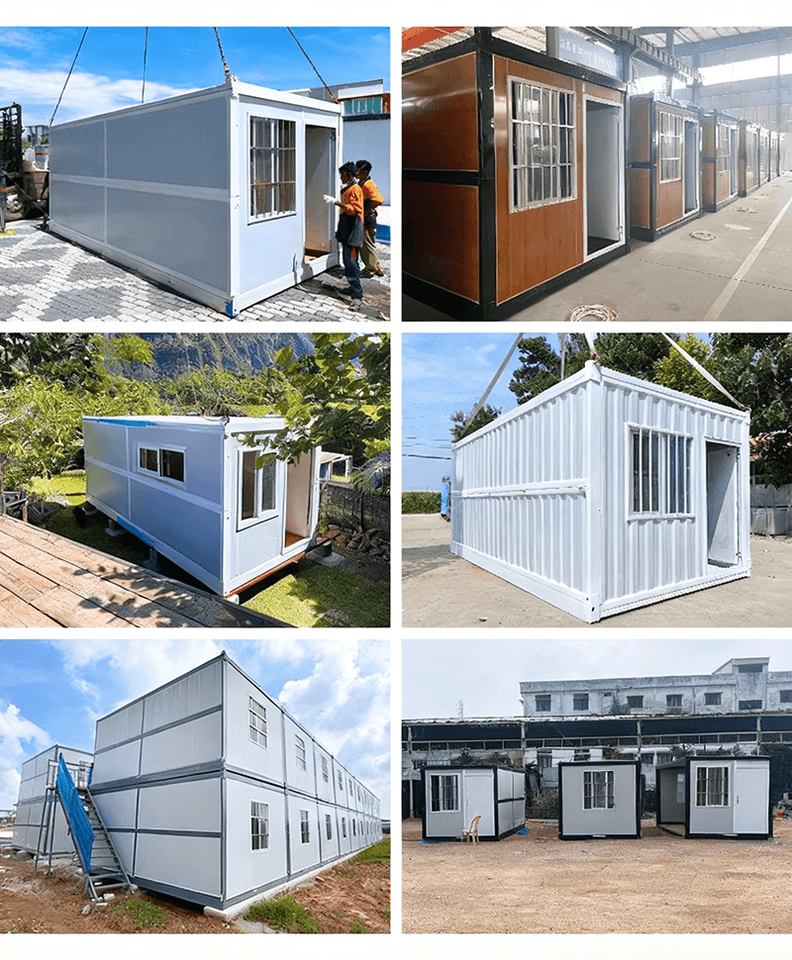
I. Price Range and Cost Considerations
The price range for ordinary outdoor portable toilets is US$2,500.00-15,000.00 per set, depending on the configuration (such as whether it includes a sink or water storage system) and customization requirements (such as size and color). For bulk purchases of luxury prefabricated steel public portable toilets (10 sets or more), the unit price can be as low as US$1,500.00 per set, suitable for large-scale events or long-term usage scenarios. It is important to note that low-priced products may compromise on material quality or functionality, so it is necessary to weigh the initial investment against long-term maintenance costs.
II. Core Functions and Scenario Matching
- Multifunctionality: Some models support additional functions (such as food sales or toy displays), but their primary purpose remains sanitation facilities. If other functions are required, it is necessary to confirm whether the equipment structure supports modular modifications.
- Applicable Scenarios:
- Short-term events (weddings, music festivals): Prioritize portable trailer-mounted designs for quick deployment and retrieval.
- Long-term off-grid living (camping, emergency relief): Composting toilets are recommended for their waterless design, which reduces pollution and aligns with the 2026 environmental trend.
- Extreme environments: Choose products that meet earthquake resistance standards of magnitude 8 and wind resistance standards of 220 km/h to ensure disaster resilience.
III. Key Selection Factors
- Material and Durability: Stainless steel, color-coated steel, and fiberglass-reinforced plastic are common materials, with stainless steel offering the best corrosion resistance, suitable for humid environments. Prioritize products that offer a 12-month warranty to reduce the risk of later repairs.
- Environmental Performance: Composting toilets have become a mainstream choice due to their reduced water consumption and pollution emissions. It is necessary to confirm whether the product has passed environmental certifications (such as ISO, CE) and evaluate odor control technologies (such as ventilation systems and biodegradable agents).
- Portability and Assembly: Trailer-mounted designs facilitate transportation, while modular combinations allow for flexible capacity expansion. Prefabricated steel toilets can be assembled by four workers within four hours, suitable for urgent needs.
IV. Additional Advantages and Long-term Value
- Quick Deployment: Prefabricated structures shorten installation time and reduce labor costs.
- Design Lifespan: High-quality products have a lifespan exceeding 25 years, with low maintenance costs, making them suitable for long-term investment.
- Market Trends: In 2026, consumers will focus more on sustainability, compactness, and rapid processing capabilities. Retailers enhance competitiveness through regional innovations (such as winter insulation designs and summer rapid cooling functions), so it is advisable to pay attention to such products.
Recommendation: After clarifying the usage scenario (short-term/long-term) and budget, prioritize examining environmental certifications, material durability, and after-sales service to avoid overlooking core performance due to low prices.



