Container House Conversion: A Practical Buyer's Guide
"Container House Conversion: A Practical Buyer's Guide" provides comprehensive guidance on container house conversion, covering everything from product types to purchasing strategies. The core content includes the following aspects:

I. Product Types and Key Features
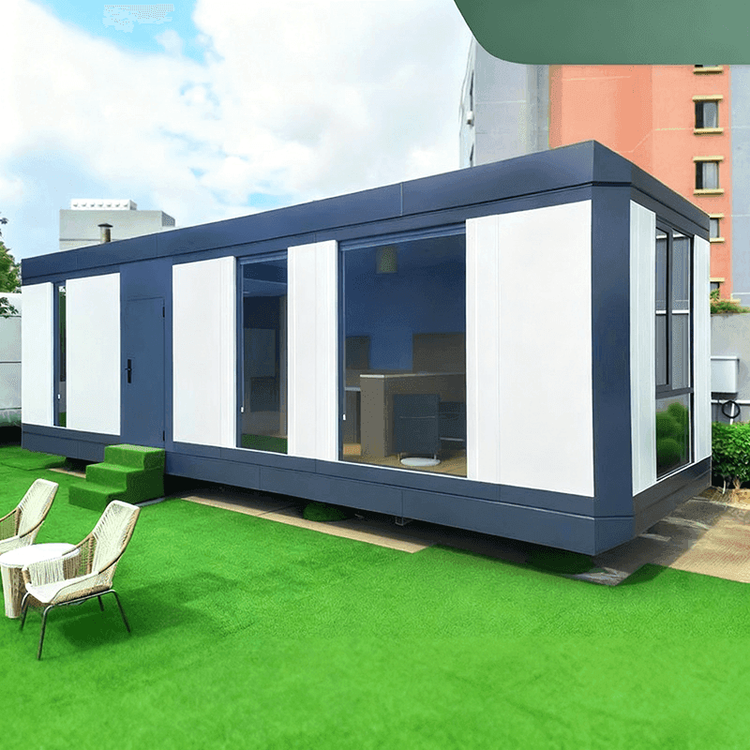
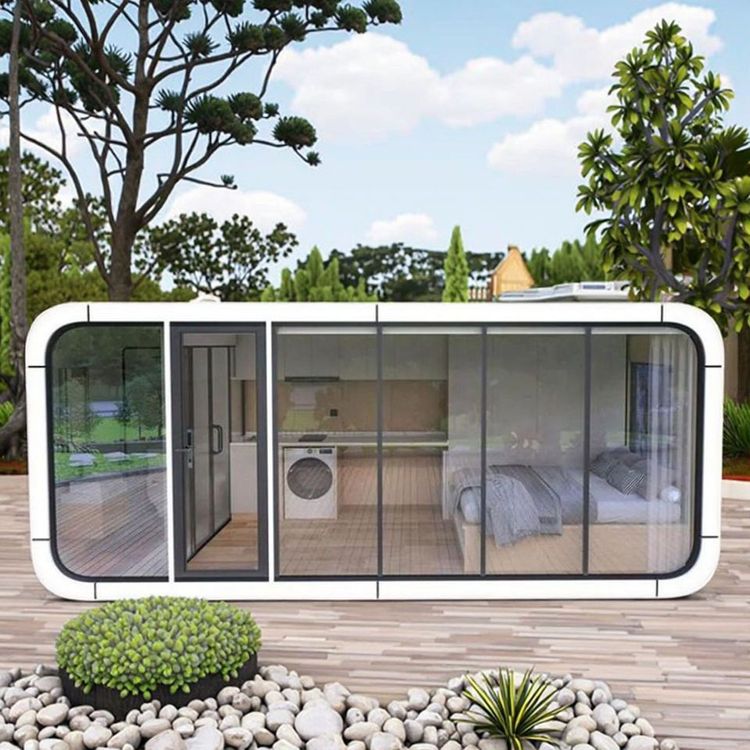
Container houses are divided into two categories based on structure: foldable models, which use galvanized steel beams and painting processes, have a lifespan exceeding 30 years, can withstand extreme weather, and offer roof and wall options such as EPS and rock wool sandwich panels. They support three-story stacking and require only 8 man-hours for assembly. Modular expandable models provide 20-foot expandable, flat-pack designs for rapid deployment, suitable for residential, commercial, and construction site office applications. The 40-foot modular products optimize space through double-wing folding, allowing customization of size, color, sound insulation (≥30dB), and fire resistance, with warranties lasting up to 40 years.
II. Key Advantages
- Economy: Priced at $180-1,250 per unit (with discounts for bulk purchases), the cost is only 1/5 to 1/3 of traditional housing, meeting budget-sensitive needs.
- Sustainability: By repurposing retired shipping containers, carbon emissions and construction waste are reduced, aligning with global environmental trends.
- Flexibility: Supports modular combination, rapid assembly/disassembly, and relocation, suitable for diverse scenarios such as temporary housing, mobile offices, and vacation homes.
III. Customization Services and Certifications
Materials include galvanized steel beams, aluminum alloy door frames, and various sandwich panel options. Functionally, layouts, sizes, and additional features (e.g., sound insulation, fire resistance) can be customized, accompanied by CAD design, 3D rendering, and on-site installation guidance. Products are certified by international standards such as CE, ISO 9001, and UL, ensuring quality and safety.
IV. Application Scenarios and Market Trends
In residential applications, they serve as permanent homes or vacation houses; in commercial settings, they cover temporary retail spaces and construction site offices; in emergency scenarios, they can be rapidly deployed as post-disaster housing solutions. Market trends for 2026 indicate sustained demand growth driven by economic uncertainty, rising material costs, and sustainable lifestyles. Modular design, smart integration, and eco-friendly materials are key technological upgrades. Chinese manufacturers offer one-stop services covering global markets such as North America, Europe, and Southeast Asia.
V. Purchasing Recommendations
Prioritize suppliers offering customization services, quality certifications, and after-sales support (e.g., DXH Container House, Hebei Yijia). Confirm specifications such as size, stacking layers, and insulation performance based on usage scenarios, and verify compliance with local building regulations. Bulk purchases significantly reduce costs; contact suppliers directly for the latest quotes and logistics plans.