
Park Mobile Toilet Design
The design of mobile toilets in parks needs to balance functionality, aesthetics, and practicality, with the following core design principles:
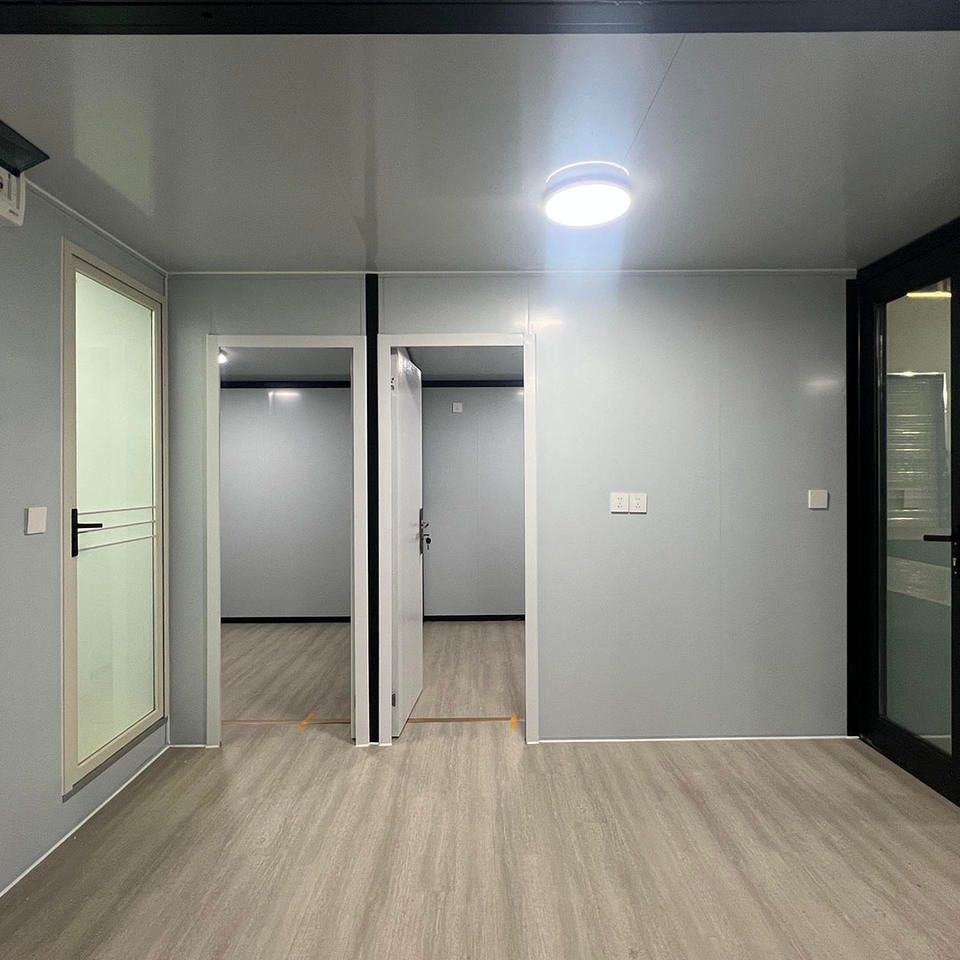
1. Structure and Materials: Lightweight yet Sturdy, Environmentally Friendly and Durable
The overall structure of mobile toilets should adopt a lightweight design while ensuring strength and stability. Commonly used materials include environmentally friendly options such as fiberglass and polyethylene, which possess characteristics like waterproofing, moisture resistance, corrosion resistance, and aging resistance, enabling them to adapt to complex outdoor environments. Modular design is crucial, allowing for rapid assembly and disassembly through standardized components. This meets spatial requirements in various scenarios (such as scenic spots, construction sites, and parks) and facilitates transportation and reuse.
2. Functional Zoning: High Privacy and Comprehensive Facilities
The interior space should be reasonably planned, adopting a multi-stall integrated design with each stall independently separated to ensure privacy. Basic configurations include anti-slip floors, partition doors, sinks, and vanity mirrors, with some high-end models adding details like coat hooks, paper towel holders, and hand dryers to enhance the user experience. For long-term use scenarios, barrier-free facilities (such as handrails and low-level sinks) or dedicated母婴 (mother-and-child) stalls can be added to meet diverse needs.
3. Mobility and Deployment: Flexible, Efficient, and Quick Response
Mobile toilets should be equipped with lifting, towing, or powered mobility devices, allowing for rapid transportation to target locations using forklifts, trucks, and other tools. Assembly time is typically controlled within a few hours, and no complex foundation construction is required, enabling direct placement and use. Rental services usually offer 48-hour delivery with flexible lease terms (calculated by day, week, or month), suitable for temporary events or seasonal demands.
4. Appearance and Style: Simple and Elegant, Blending with the Environment
The exterior design should balance aesthetics and practicality, with common styles including simple modern and rustic natural types. The former features straight lines and solid colors (such as blue and red), while the latter may incorporate elements like thatched roofs and ridged designs to harmonize with park landscapes. Colors support customization, allowing for matching tones based on the site theme to enhance visual unity.
5. Environmental Protection and Energy Efficiency: Low Carbon Emissions and Resource Recycling
Sewage treatment employs technologies like dry packing, recirculating water flushing, or microbial degradation to reduce water consumption and sewage discharge. Some models are equipped with solar panels for power supply, lowering energy consumption; interior lighting uses LED energy-saving lamps for further green operation. These designs align with sustainable development concepts and are particularly suitable for ecologically sensitive areas.
6. Maintenance and Durability: Easy to Clean and Long-Lasting
The material surface should be smooth and seamless to prevent dirt residue, facilitating daily cleaning and disinfection. The design lifespan typically exceeds 15 years, with a general warranty period of 2 years, and after-sales guarantees like breakage refunds and shortage compensation are provided. Regular maintenance (such as replacing consumables and inspecting the structure) can extend the service life and reduce long-term costs.
By adhering to these design principles, mobile toilets in parks can not only efficiently solve public restroom issues but also coexist harmoniously with the surrounding environment while balancing economy and environmental protection.



