Technical Document for Packaged Mobile Toilets
The technical document for packaged mobile toilets covers aspects such as technical principles, parameters, configurations, structural materials, environmental efficiency, convenience, and hygiene and intelligent systems, as detailed below:

Technical Principles: Excrement is packaged using mechanical devices, with biodegradable collection bags replacing water flushing systems, transforming the 'flushing-transportation' process into a 'sealing-storage' one. The packaging mechanism is triggered by mechanical transmission or pedal activation after user use, wrapping the excrement in biodegradable film bags. In terms of material science applications, the collection bags feature a composite layer design, with an inner layer of hydrophilic polymer material for leakage prevention, a middle layer of biodegradable additives for accelerated decomposition, and an outer layer of plant fiber substrate for support; the biodegradable film is made from a composite of bio-based materials such as modified starch and polylactic acid.
Technical Parameters: The flush-free packaged eco-friendly toilet fixtures consist of biodegradable film packaging bags, a walking system, mechanical devices, a shell, and a feces storage bucket. The packaging capacity varies by model and can accommodate multiple users. The materials are mostly corrosion-resistant, with different environments requiring different packaging materials. The wind resistance rating is above 12, and the earthquake resistance rating is above 7 degrees.
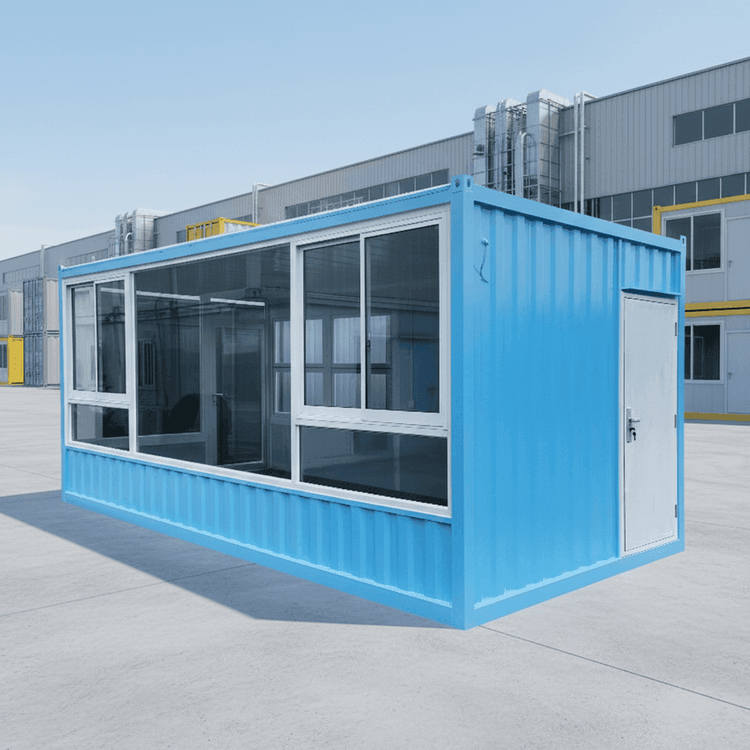
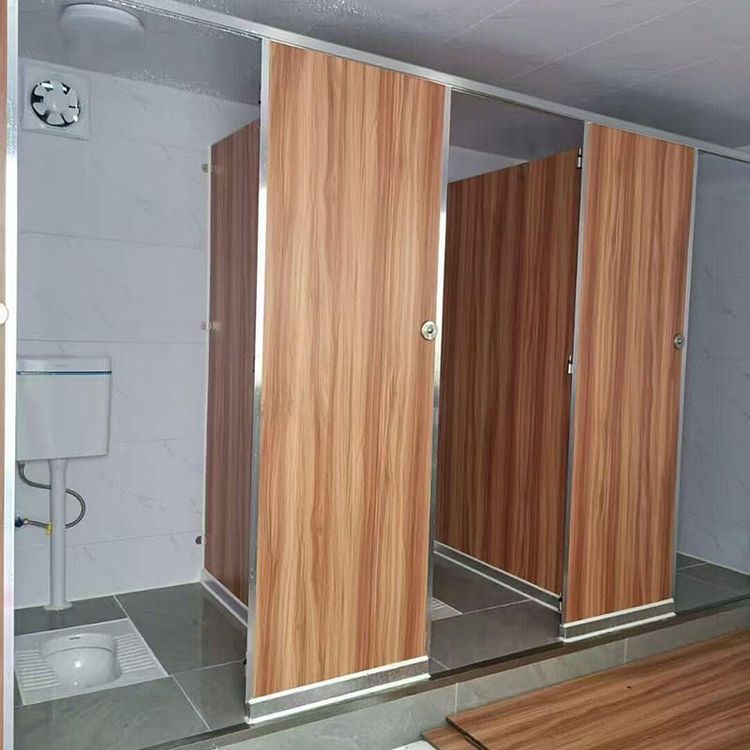
Internal Configuration: The toilet compartment includes a pedal-operated squat toilet, stainless steel handrails, etc.; the exterior features toilet advertising light boxes, etc.; the management room includes a lighting system, a main power box, etc.
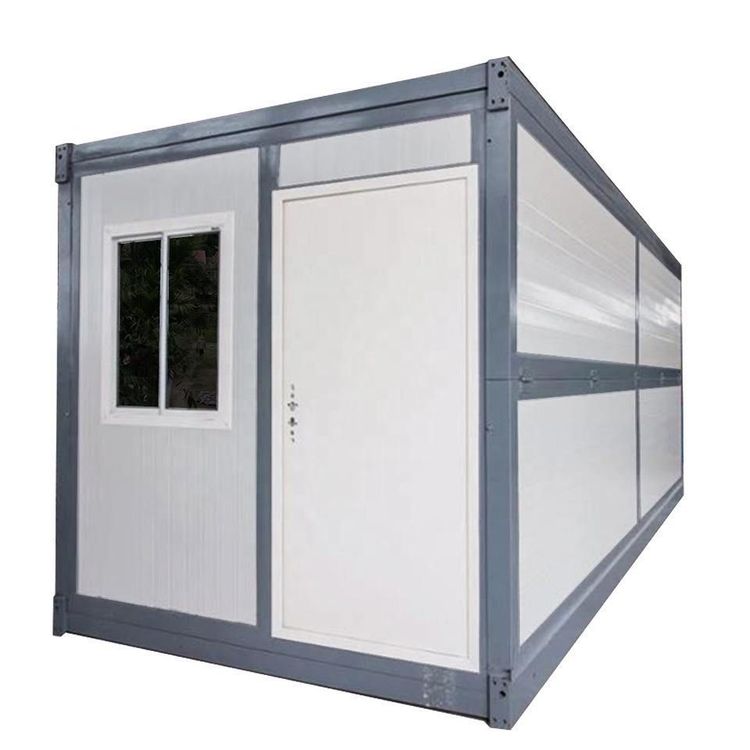
Structure and Materials: The steel frame structure is a framed steel structure, with the base and frame made of specific steel materials, corrosion-resistant treatment at welds, lifting points at the top, and pads at the bottom. In terms of decorative materials, the exterior walls use imported metal insulated carved panels, the main walls use cement fiber boards, the roof uses colorful tiles, and the toilet compartment walls use high-grade aluminum-plastic panels, etc.
Environmental Efficiency: In terms of resource conservation, each use saves approximately 6 liters of clean water and avoids direct sewage discharge. For pollution control, the packaged solid waste has a reduced volume, facilitating classified disposal and reducing secondary pollution, with the waste sent to professional facilities for treatment.
Convenience Design: The modular design allows the structure to be decomposed into three independent modules, with a small transportation volume and short installation time. The maintenance process is simplified, with alerts when the collection bag capacity reaches a threshold, making replacement easy. The design is highly adaptable to different locations, with the biodegradable components of the collection bag stable at different temperatures and featuring anti-freezing and anti-aging designs.
Hygiene and Intelligent Systems: A negative pressure ventilation system extracts internal air, filters it through activated carbon, and discharges it, forming a unidirectional airflow. The lighting system integrates photosensitive elements to automatically adjust brightness. The intelligent monitoring system can monitor the packaging status, with sensors detecting personnel entry and exit, and a motor driving the packaging process.