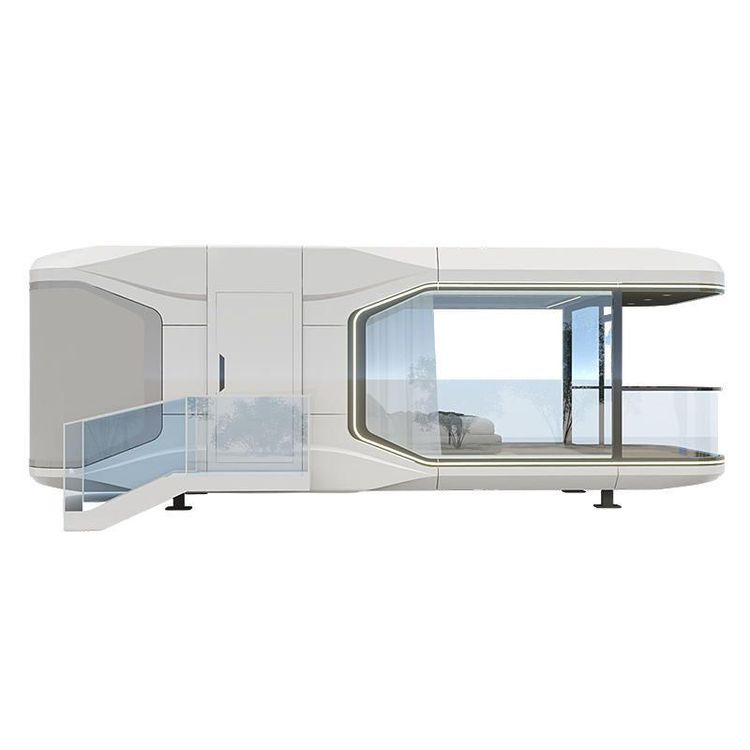
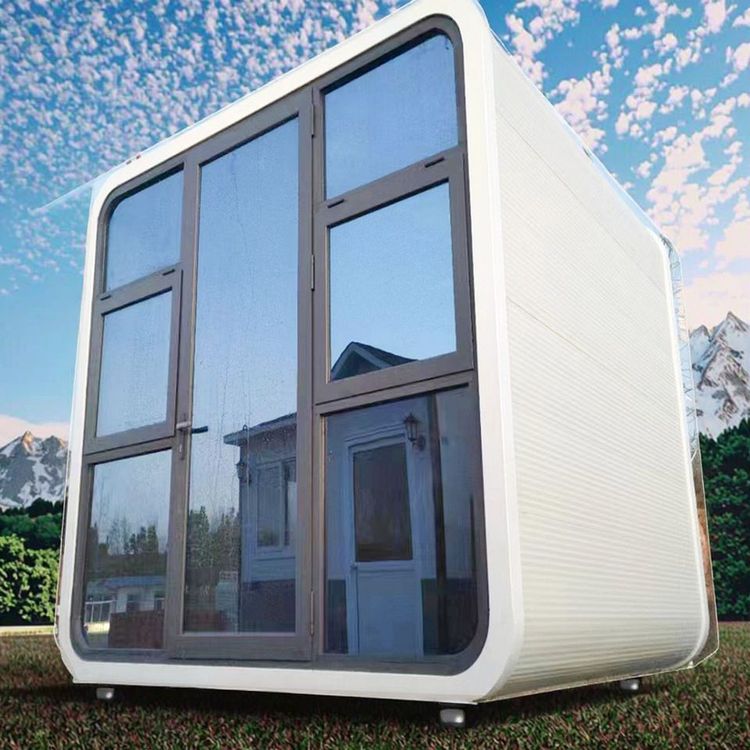
Outdoor Mobile Toilet with Lid
Outdoor mobile toilets typically feature a roof structure that provides a covering function, which can be regarded as a 'lid' design. Their roofs come in various forms, incorporating both functional design and considerations for structural stability and aesthetics. The following provides an analysis from the perspectives of typical structures and materials:

1. Pointed Roof Design: Balancing Drainage and Insulation
The four-stall mobile toilet produced by Dezhou Hongtu Metal Products Co., Ltd. adopts a pointed roof design with a steep slope, allowing for rapid drainage of rainwater and preventing water accumulation and leakage. The exterior walls are made of metal carved panels, which offer thermal insulation properties. When combined with the pointed roof structure, this effectively reduces the impact of extreme outdoor temperatures on the internal environment. The pointed roof design also reduces snow pressure, making it suitable for use in cold northern regions or areas with heavy snowfall.
2. Traditional Tile Roof: Waterproofing and Cultural Integration
Some gender-separated mobile toilets utilize a galvanized steel frame structure topped with waterproof blue tiles. Blue tiles inherently possess natural waterproofing properties and form a continuous waterproof layer through overlapping techniques, while the steel frame provides sturdy support. This design not only meets outdoor rainproofing needs but also integrates traditional tile roof elements into the environment, making it suitable for scenic spots and cultural districts, balancing practicality with landscape harmony.
3. Curved Roof Design: Wind Resistance and Space Optimization
Artistic mobile toilets feature a double-layer galvanized steel frame structure with galvanized sheet metal walls and a curved roof design. The curved structure disperses wind forces, reducing the impact of strong winds on the roof and enhancing wind resistance. Additionally, the curved roof increases internal vertical space, avoiding the oppressive feeling caused by traditional flat or sloped roofs and improving user comfort. The double-layer steel frame structure further enhances overall stability, making it suitable for windy or geologically complex outdoor environments.
4. Material Selection: Prioritizing Functionality and Durability
The roof materials for outdoor mobile toilets must meet requirements for waterproofing, corrosion resistance, and aging resistance. Metal materials (such as galvanized steel) enhance corrosion resistance through surface treatments (such as painting or galvanizing); traditional materials like blue tiles rely on their inherent physical properties for waterproofing; metal carved panels improve thermal insulation by incorporating insulating materials within. The selection of these materials is centered around the long-term outdoor usage needs, ensuring that the roof structure remains stable under conditions of sun exposure, rain, and temperature variations.
In summary, the 'lid' design of outdoor mobile toilets achieves core functions such as rainproofing, insulation, and wind resistance through innovative roof shapes and material selections, while also considering aesthetics and scene adaptability. It serves as a typical example of the combination of functionality and artistry in outdoor public facilities.