Mobile Toilet Installation Video Tutorial
Currently, there is no complete video tutorial specifically for the overall installation of mobile toilets, but there are written instructions for some installation steps and simple descriptions of the installation of individual components. Here is some relevant installation information:
Installation of Components for the Behao BH132(PP) Mobile Toilet
The installation of the Behao BH132(PP) mobile toilet is relatively simple. Components such as the upper body of the toilet (including the toilet lid and seat ring) and the lower body of the toilet need to be installed upon receipt. This product adopts a snap-fit design. During installation, simply snap the corresponding components into place and then press down, and the components will be securely fitted, completing the installation. This design eliminates the need for complex tools and operations, allowing ordinary users to complete the installation easily.
Installation Steps for Some Structures of Mobile Toilets
For the installation of some mobile toilets, certain tools need to be prepared, such as an electric drill, a 4.2-millimeter drill bit, and a rivet gun. The specific installation steps are as follows:
- Step 1: Install the Inner Corners: Install the inner corners one by one. This is the basic step for constructing the frame of the mobile toilet. Ensure that the inner corners are installed firmly to provide stable support for subsequent installations.
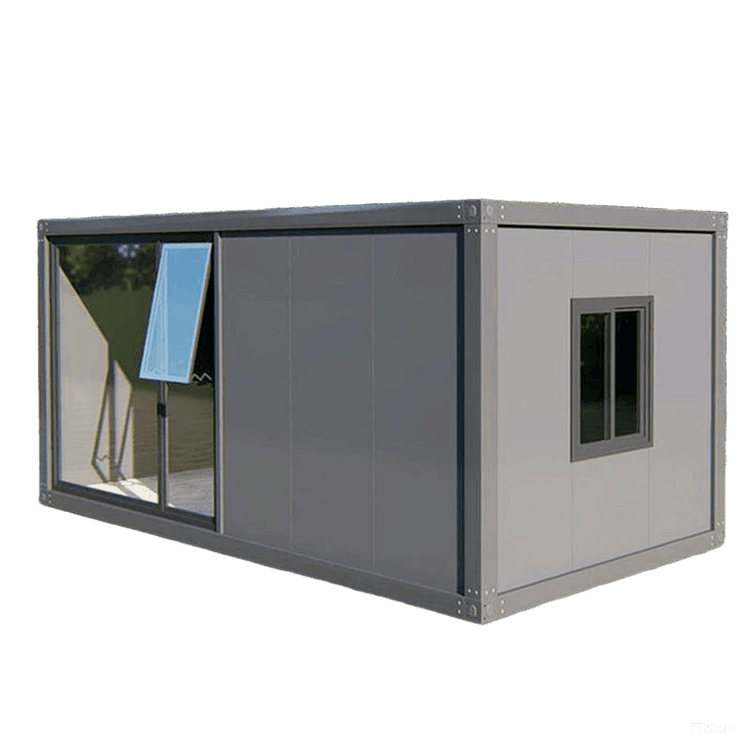
- Step 2: Assemble the Panels: Insert the panels into the slots and align them. During the assembly process, ensure the alignment between the panels to make the entire structure more regular. After aligning the top and the panels, use the drill bit to make holes, then insert the rivets, and finally secure them with the rivet gun. This step enhances the connection strength between the panels and ensures the structural stability of the mobile toilet.
Connection Work for Mobile Toilets
After bringing the mobile toilet home, some connection work is also required. Connect the sewage outlet to the tap water pipe network. This step requires ensuring a tight connection to prevent water leakage. At the same time, connect the water inlet pipe and electrical wires properly. The connection of the water inlet pipe should ensure smooth water flow, and the connection of the electrical wires should comply with safety regulations to avoid potential safety hazards such as electric leakage.