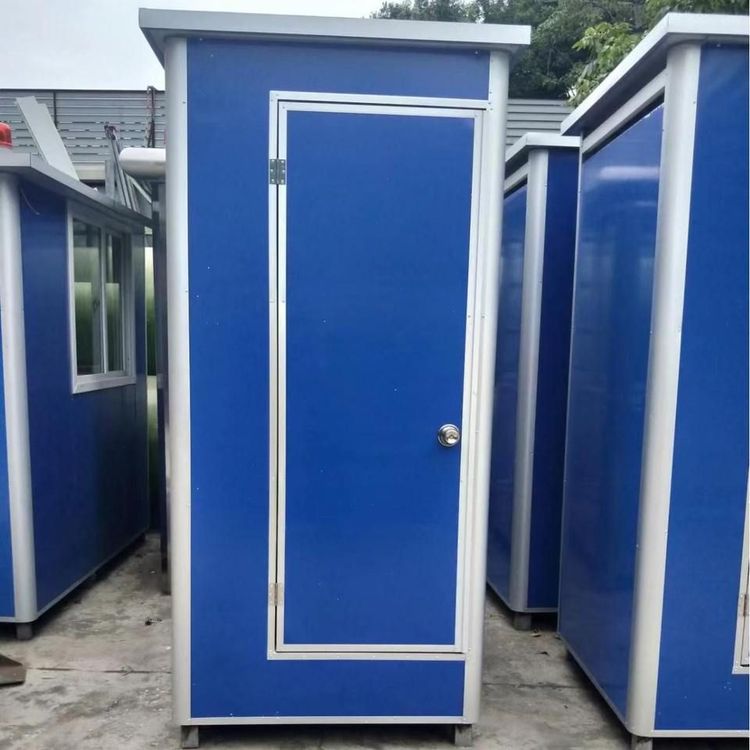
Everything You Need to Know About Portable Toilet Solution
Portable toilet solutions encompass various aspects such as types, application scenarios, structural composition, characteristic advantages, maintenance operations, and smart technologies.

Types
Portable toilets come in a variety of types. Bucket camping toilets have a simple structure, using a reinforced bucket as the base, paired with a toilet seat and lid to provide basic comfort. Folding camping toilets are easy to transport, mostly designed as bag-type with a simple frame and seat structure. Flushable camping toilets, such as the Thetford Porta Potti series, adopt a two-part design, offering a more luxurious user experience. Chemical-free portable toilets (e.g., Popaloo) do not require water, liquid chemicals, or a waste tank. They use biodegradable powder bags that can quickly solidify liquid and solid waste, can be assembled in seconds, and are compact and easy to store.
Application Scenarios
Portable toilets are suitable for various scenarios. Outdoor scenarios include off-grid camping, temporary or makeshift campsites, music festivals, and small off-grid campsites lacking or without toilet facilities. In mobile scenarios, RV and camper van users need to master proper setup and waste disposal methods. Public scenarios cover stations, docks, tourist attractions, villa areas, newly built communities, large construction sites, squares, densely populated public places, and bustling commercial streets.
Structural Composition
Mobile toilets are generally composed of a fecal sewage storage tank (or fecal sewage treatment device), floor, sanitary ware, walls, cleaning equipment, water tank, roof, and mobile device. They can be classified into single-unit or composite structures based on their structure; into lifting, handling, or powered, trailer-type based on mobility; and into water-flushing, waterless suction, recirculating water-flushing, and dry-packing types based on sewage treatment methods.
Characteristic Advantages
Portable toilets offer significant advantages. Their portability allows them to be easily transported to the desired location and reused. Convenience is reflected in the fact that some types (e.g., Popaloo) do not require plumbing connections, carrying water, or emptying liquid chemical tanks. Hygiene is ensured as some models use biodegradable powder bags for sanitary solutions. Compactness makes them easy to store in cars, camper vans, RVs, or equipment cabinets.
Maintenance Operations
Chemical-free models (e.g., Popaloo) are simple to maintain, requiring only assembly and installation of the powder bag for use. After use, the bag is sealed and properly disposed of. Other types require proper setup, regular cleaning, and correct waste disposal to maintain hygiene and functionality.
Smart Technologies
Some modern portable or mobile toilet solutions incorporate smart technologies. For example, non-contact sensing units use infrared and pressure sensing technologies to automatically detect basic user behaviors such as approach, departure, and usage duration. Gas composition analysis and image recognition modules continuously monitor specific gas concentrations and analyze user postures to improve hygiene levels and demand prediction capabilities. Central processing units integrate and analyze heterogeneous data, establishing multi-parameter correlation models to achieve precise pollution source identification and maintenance demand prediction. Physical execution mechanisms perform local and adaptive environmental adjustments and cleaning operations according to model instructions, improving energy efficiency and hygiene effects.
You may also like
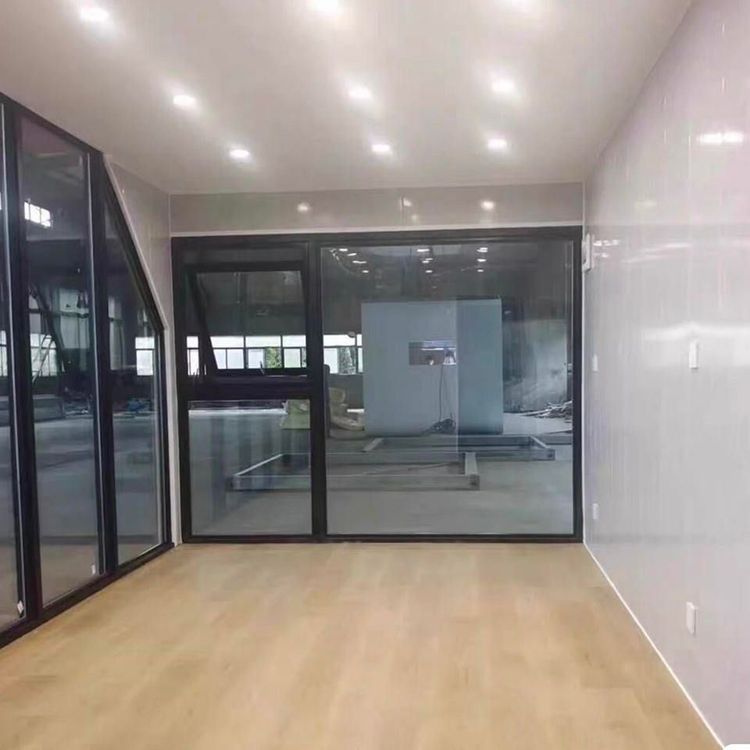
Portable Toilet Size Specifications: Size, Area & Layout
Read More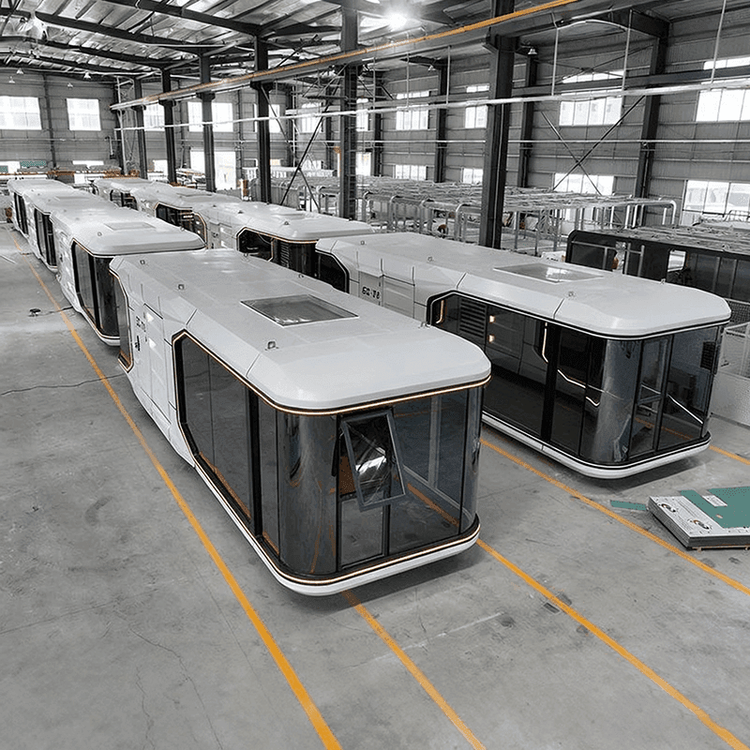
Portable Toilet Specifications Model Specifications: Size, Area & Layout
Read More
Why Portable Toilet House Matter: A Quick Guide
Read More