
Is the Outdoor Mobile Toilet Sturdy?
Outdoor mobile toilets are generally quite sturdy and can adapt to the needs of most outdoor environments. Their sturdiness is mainly reflected in the following aspects:
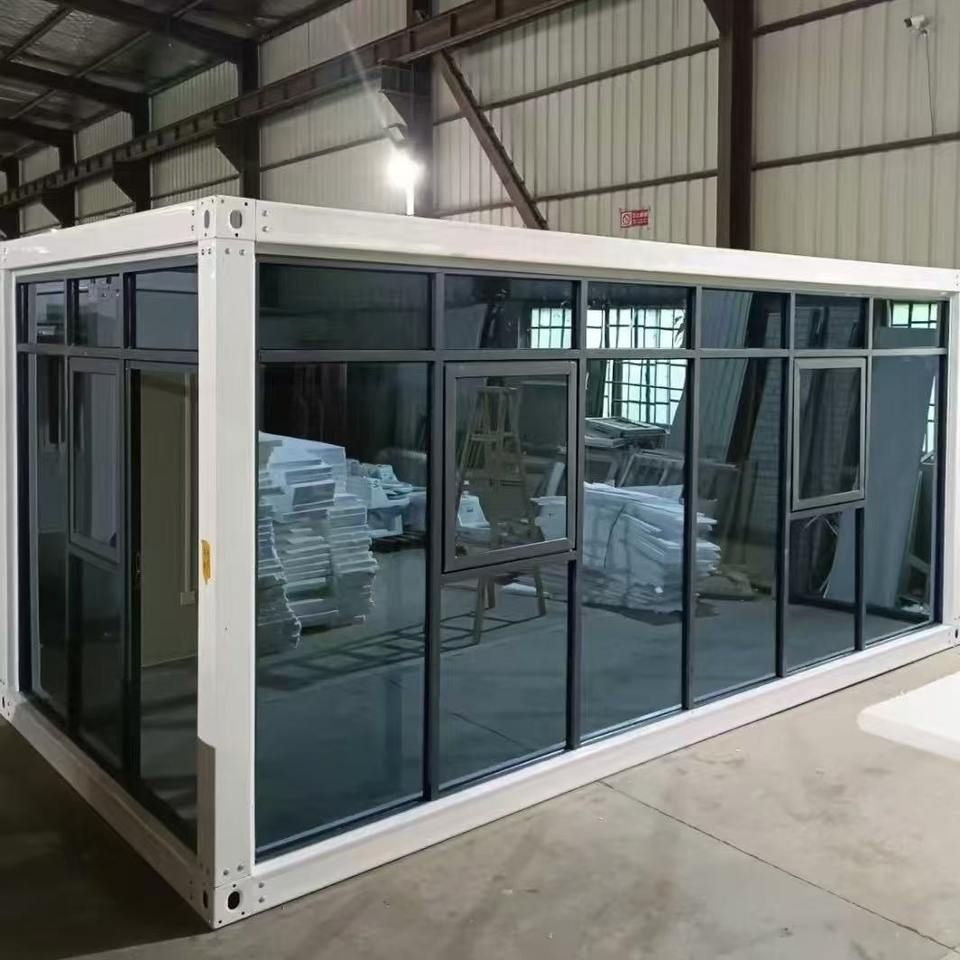
1. High-strength materials for the main frame
The main frames of outdoor mobile toilets are usually welded from high-strength aluminum alloys, stainless steel, or thickened and reinforced galvanized square tubes. These materials have excellent corrosion resistance and mechanical properties. For example, after hot-dip galvanizing treatment, galvanized square tubes form a dense oxide layer on the surface, effectively resisting environmental erosion from rain and humidity. Aluminum alloys are known for their lightweight and high strength, reducing the overall weight while ensuring structural stability. Some products further enhance stability through integrated shell and reinforced chassis designs. For instance, the chassis is made of thickened steel plates or composite materials and is tightly connected to the frame with bolts, forming an overall load-bearing structure and avoiding deformation caused by local stress concentration.
2. Structural processes enhance compression and impact resistance
Seamless assembly processes or precision welding techniques are widely used in the manufacturing of mobile toilets. Seamless assembly ensures tight connections between components through high-precision molds, reducing structural gaps and avoiding stress weak points caused by gaps. Precision welding employs techniques such as argon arc welding and laser welding, making the weld strength close to that of the base material and improving overall compression resistance. According to test data, their compression strength can reach 1500 MPa (megapascals), and they can withstand a 500-jin pendulum impact. This performance far exceeds the load-bearing standards of ordinary building materials and can handle collisions and squeezes that may occur in outdoor environments.
3. Wind-resistant design for complex climates
For outdoor scenarios with strong winds, mobile toilets usually have a wind resistance rating of up to Level 8 (wind speed approximately 17.2-20.7 meters per second). This design is achieved by optimizing the structural center of gravity, adding bottom ballast (such as built-in water tanks or sandbag slots), and using streamlined shells to reduce wind resistance. For example, some products place the water tank at the bottom, which not only meets water needs but also lowers the overall center of gravity with the weight of the water, enhancing anti-tipping capabilities. The shell surface is smoothly treated to reduce the direct impact of wind on the structure.
4. Floor materials ensure safety
The floor materials are divided into two types: non-slip iron plates and wooden floors, designed for humid or dry scenarios respectively. The surface of non-slip iron plates is treated with embossing or sandblasting, with a friction coefficient of over 0.6, far exceeding that of ordinary floors (0.2-0.4). This effectively avoids the risk of slipping due to accumulated water on rainy days or after cleaning. Wooden floors are treated with anti-corrosion measures, suitable for dry environments, and their safety is enhanced with anti-slip coatings.
5. Long-life design reduces maintenance costs
The combination of metal frames and composite materials extends the product lifespan to over 10 years, far exceeding that of ordinary mobile toilets (usually 3-5 years). This advantage is due to the weather resistance of the materials and the fatigue resistance of the structure. For example, aluminum alloys can remain corrosion-free in outdoor environments for over 20 years, and composite material shells resist aging by adding ultraviolet absorbers, reducing the risk of structural loosening caused by material aging.



