
Outdoor Mobile Toilet
An outdoor mobile toilet is a facility that can be moved as a whole and set up at fixed or temporary locations to provide public restroom services.
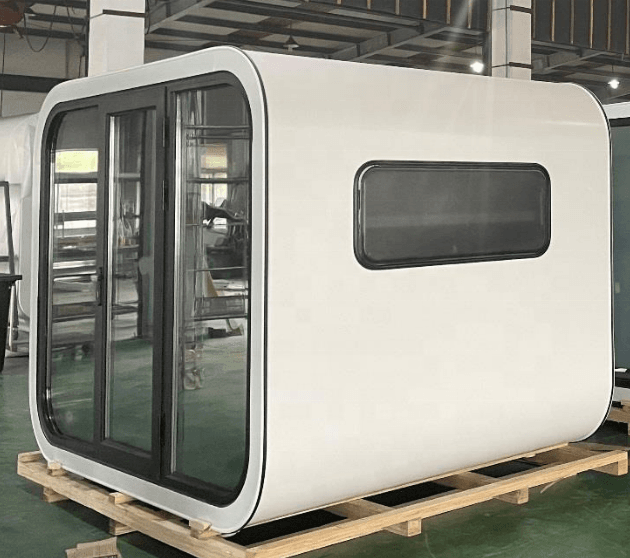
I. Basic Components Outdoor mobile toilets typically consist of core components such as fecal sewage storage tanks (or disposal units), floor slabs, sanitary ware, walls, washing equipment, water tanks, roofs, and mobile devices. Among them, the fecal treatment system is crucial. Water-flush toilets rely on water tanks for water supply, while non-water-flush toilets collect waste through dry packing or suction methods. Mobile devices (such as wheels and lifting structures) endow them with mobility, facilitating rapid deployment and retrieval.
II. Classification Methods
- By structural form: They are divided into single-unit structures (independent units) and composite structures (multi-unit combinations). The latter can be expanded to include multiple toilet stalls or additional management rooms.
- By mobility method: They include lifting and handling types (requiring lifting equipment), powered towing types (which can be towed by vehicles), and manual handling types (small and lightweight).
- By sewage treatment: Water-flush toilets rely on septic tanks or municipal sewage networks; non-water-flush suction types require regular waste removal; recirculating water-flush types achieve water reuse through biological degradation or membrane filtration; dry packing types use biodegradable bags to directly collect waste without water.
III. Core Advantages
- Flexible deployment: They can be quickly transported to stations, docks, tourist attractions, construction sites, and other locations, especially suitable for temporary events (such as music festivals and sports events) or areas without fixed infrastructure.
- Environmental protection and energy efficiency: Recirculating water-flush types reduce water consumption, while dry packing types avoid sewage discharge, meeting green construction requirements.
- Economic efficiency: Compared to traditional public toilets, mobile toilets have shorter construction periods, lower costs, and can be reused, resulting in lower long-term operating costs.
IV. Application Scenarios They cover densely populated areas (such as commercial streets and squares), outdoor leisure areas (scenic spots, campsites, and parks), and special environments (beaches and plateaus). For example, the 4-stall mobile toilet produced by Dezhou Hongtu Metal Products Co., Ltd. features a pointed roof waterproof design, aluminum alloy doors, and a light and ventilation front wall, combining practicality and aesthetics, suitable for factories and construction sites.
V. Price Range Prices vary significantly depending on specifications, materials, and functions: Simple color steel plate toilets rent for about 300 yuan per month; well-decorated environmental protection public toilets rent for 99 yuan per square meter per month; custom-made prefabricated toilets can cost up to 13,500 yuan each. Users can choose to rent or purchase according to their needs. For short-term events, renting is recommended, while for long-term use, custom procurement is advised.



