
Nanjing Expressway Mobile Toilets
Mobile toilets on the Nanjing Expressway are temporary sanitation facilities set up to meet the physiological needs of drivers and passengers. They are mainly distributed in service areas, parking areas, and other locations, featuring convenience, flexibility, and functionality.
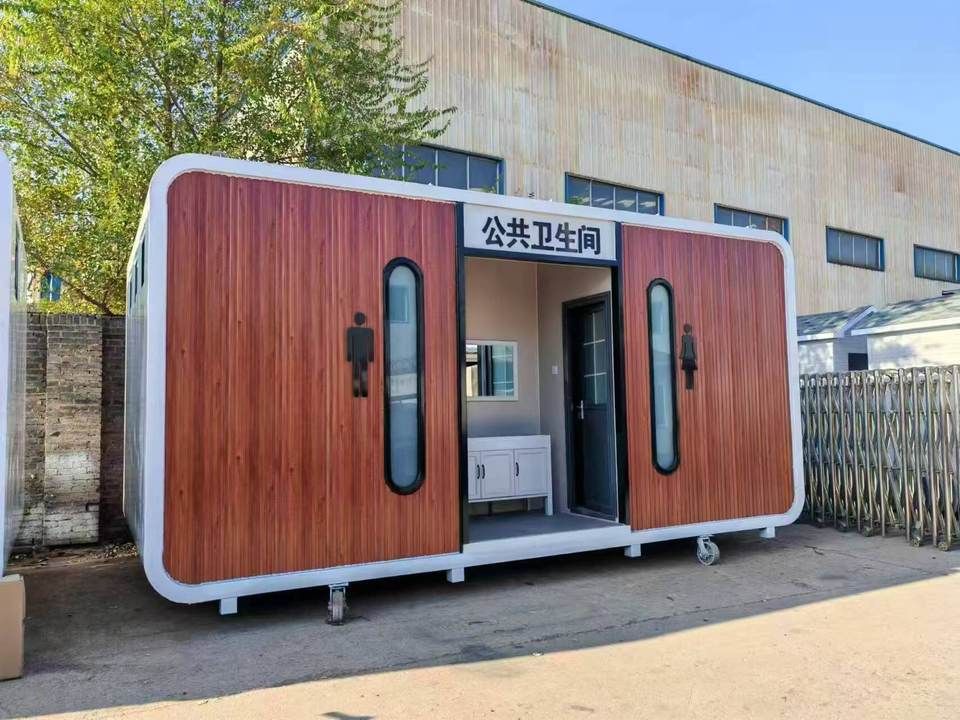
I. Basic Functions and Facilities Mobile toilets on the Nanjing Expressway adopt a modular design, with a simple structure that is easy to transport and install, allowing for rapid deployment to required locations. They are typically equipped with basic facilities such as toilets and sinks inside, along with standard cleaning supplies (e.g., disinfectants, toilet paper) and ventilation systems. Some high-end models also include lighting fixtures to ensure convenience during nighttime use. For example, during holidays, mobile toilets in popular service areas can receive hundreds of users per day, and the completeness of their facilities directly affects the user experience.
II. Operation Management and Maintenance In response to high usage frequency, management has established a standardized maintenance process: regularly emptying the sewage tanks, cleaning the toilets and sinks, replenishing consumables, and periodically inspecting the operational status of equipment (e.g., ventilation systems, lighting circuits). During holidays or peak tourist seasons, such as the May Day holiday, a service area in Nanjing reduced the waiting time for restrooms from 30 minutes to 5 minutes by renting 20 mobile toilets, effectively alleviating the supply-demand imbalance of fixed toilets. Additionally, the rental service model for mobile toilets (including transportation, installation, and maintenance) further enhances resource allocation efficiency.
III. Demand Challenges and Improvement Directions With the growth in car ownership, the demand for mobile toilets surges during holidays, requiring management to balance cleaning efficiency with hygiene standards. For example, cleaning frequency needs to be increased to once per hour during peak periods, and rapid disinfection techniques should be employed. Meanwhile, user demands for environmental comfort are driving facility upgrades, such as the addition of barrier-free facilities and child-specific toilets. In the future, intelligent technology will become a key development direction: real-time monitoring of usage status, sewage capacity, and air quality through IoT sensors, combined with big data analysis to predict demand hotspots, enabling dynamic scheduling and preventive maintenance to enhance management precision.
IV. Typical Application Cases During peak traffic periods on holidays, traditional fixed toilets at Nanjing Expressway service areas often experience congestion due to insufficient capacity. Taking the May Day holiday in 2023 as an example, a service area improved its daily service capacity by 300% and significantly increased user satisfaction by introducing a mobile toilet rental service and deploying 20 units within 48 hours. This model provides a replicable emergency solution for other transportation hubs.



