Modular Prefabricated Housing Finished Products
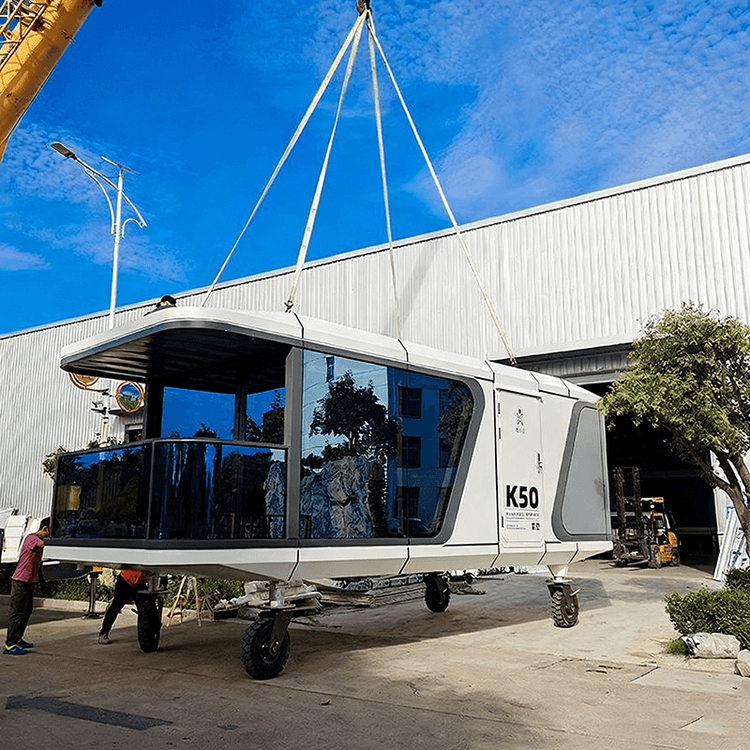
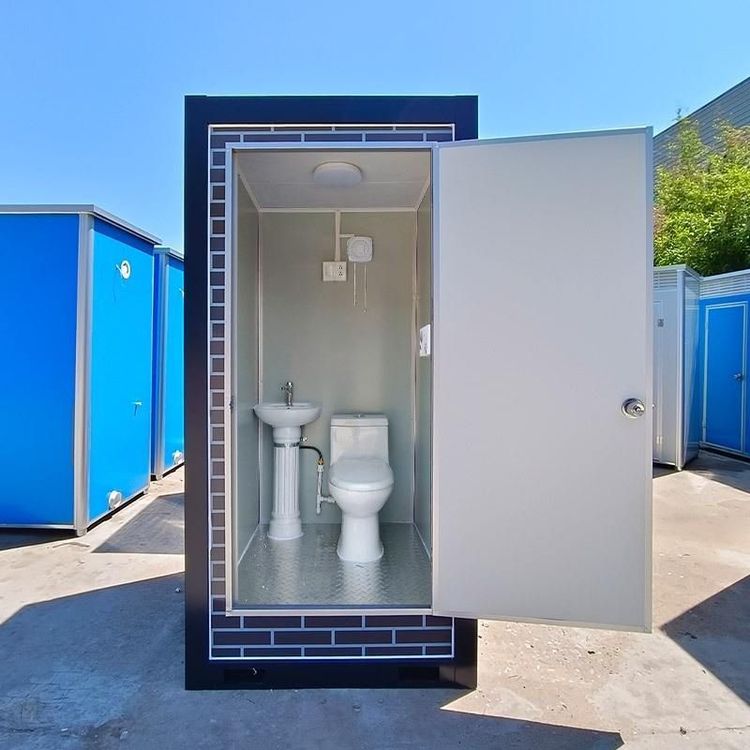
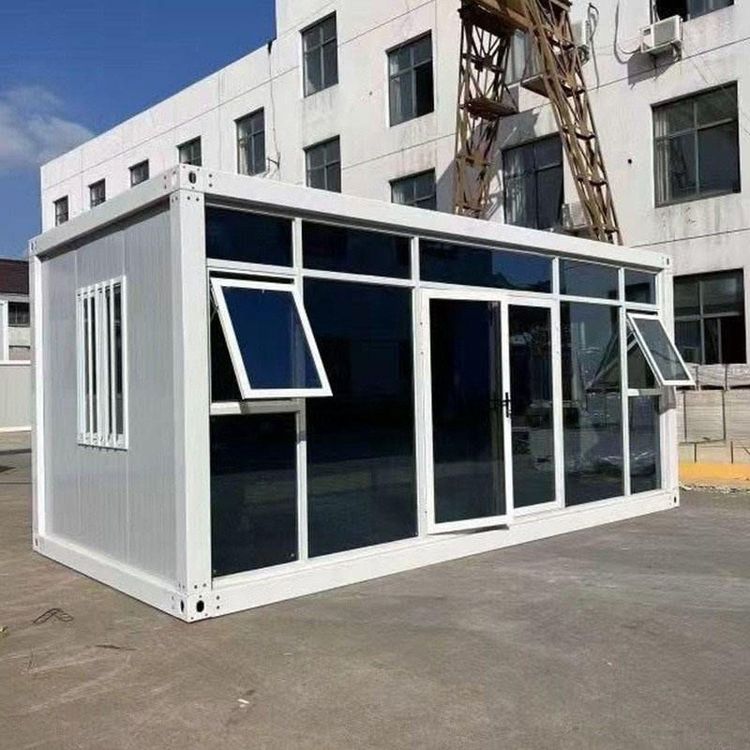
Modular prefabricated housing finished products are a form of construction that involves breaking down a building into independent modules, prefabricating them in a factory, and then transporting them to the site for assembly.

Manufacturing Process
Modular prefabricated housing finished products divide buildings into independent modules. All processes, including ceiling, floor, water and electricity pipelines, enclosure structures, equipment pipelines, and interior decoration, are completed in the factory to form standardized prefabricated assembled space modules. For example, the CSCEC Hailong Intelligent Construction Industrial Park in Shenzhen, Guangdong, produces up to 20,000 to 30,000 modules annually through assembly-line production, where components such as walls and waterproof layers are manufactured separately and then assembled.
Core Features
- Precise Management: Each module is equipped with a detailed 'ID card' that records information such as project name, product model, and production date. Design errors are controlled in millimeters to ensure precision.
- Efficient Construction: The construction period is reduced by more than 60% compared to traditional buildings, with the total cycle shortened by about 50%. For example, a rural house can be built in 14 days; the Shenzhen affordable housing project, assembled from 6,028 concrete modules, reduced the completion and delivery time from 2.5-3 years to 1 year.
- Quality Control: Factory production eliminates on-site human errors, ensuring structural stability and decoration quality.
- Environmental Protection and Energy Efficiency: It reduces construction waste by about 80%, lowers on-site noise, dust, and traffic congestion, and meets green building standards.
- Easy Maintenance: The modular design facilitates later inspection, repair, and upgrades, extending the building's service life.
- Strong Earthquake Resistance: Standardized connection nodes and overall structure enhance earthquake resistance, making it suitable for earthquake-prone areas.
Application Scenarios
Modular buildings are widely used in residential, school, hospital, and other fields. For example, the Shenzhen affordable housing project adopted concrete module assembly, reducing on-site labor by 50%; in May 2026, the Beijing Haidian District Dinghuisi North Plot Affordable Rental Housing Project completed the lifting of its first concrete module, becoming Beijing's first concrete modular affordable housing project. Its flexibility and efficiency make it the preferred solution for urban renewal, emergency buildings, and high-density area development.