
Mobile Toilets in Pastoral Areas
Mobile toilets in pastoral areas of Inner Mongolia are a livelihood project that balances practicality and humanistic care, effectively addressing the sanitation and ecological issues of traditional dry toilets and improving the quality of life for herders.

Flexible Deployment and Adaptability to Extreme Environments
Mobile toilets feature a modular design, enabling rapid transportation to areas where fixed facilities such as settlements and temporary camps cannot reach, filling the “service blind spots”. Their lightweight materials (such as fiberglass and steel structures) and movable characteristics allow for flexible adjustments in position according to the migration or activity needs of herders. For extreme environments, the design is highly targeted:
- Cold resistance: In areas like Hulunbuir, where winter temperatures can drop to as low as -40°C, polyurethane insulation layers and electric heating systems are equipped to ensure indoor temperatures remain above 10°C.
- Wind and sand resistance: In desert scenic spots, sealed doors and windows, bottom sand barriers, and negative pressure ventilation systems are used to effectively block the invasion of wind and sand.
- Water-saving/waterless: To address water scarcity, some toilets employ biodegradable toilets or foam sealing technology, converting feces into harmless gases or fertilizers without the need for water flushing, reducing water consumption.
Cultural Integration and User-Friendly Design
Mobile toilets are not only functional facilities but also cultural carriers:
- Appearance and decoration: They incorporate elements of yurts (such as white domes, blue decorative bands, and Sulu Ding patterns), with traditional motifs like auspicious clouds and galloping horses adorning the interior walls. Washbasins are designed in the shape of saddles, and toilet door signs use both Mongolian and Chinese, making them “mobile museums” showcasing Mongolian culture.
- Comprehensive functionality: They are equipped with water-saving sanitary ware, barrier-free facilities, intelligent lighting, and efficient ventilation systems. Some even include handwashing stations and hand dryers to enhance the user experience.
Ecological Protection and Long-Term Operation and Maintenance
Mobile toilets achieve ecological friendliness through technological means:
- Sewage treatment: Microbial degradation or physicochemical treatment processes are used to render excreta harmless. The treated water can be reused for green irrigation, and feces are converted into organic fertilizers, preventing soil and water pollution.
- Environmentally friendly materials and energy conservation: The overall structure mostly uses recyclable composite materials, with solar panels installed on the top for power supply, enabling “zero external power connection” operation and reducing environmental load.
- Reduced operation and maintenance costs: Water-saving or waterless designs reduce the frequency of waste removal, and freeze-proof and anti-corrosion processes lower equipment failure rates, resulting in higher overall cost-effectiveness.
Feedback from herders indicates that after mobile toilets replaced traditional dry toilets, mosquitoes and flies decreased in summer, odors disappeared, children could use them safely, and the quality of life improved significantly. This facility has become an important pillar for enhancing the refinement of public services in pastoral areas and strengthening the ecological security barrier in northern China.
You may also like

Portable Toilet for Energy Efficiency Solutions: A Buying Guide
Read More
Container House Custom Explained: How to Choose the Right One
Read More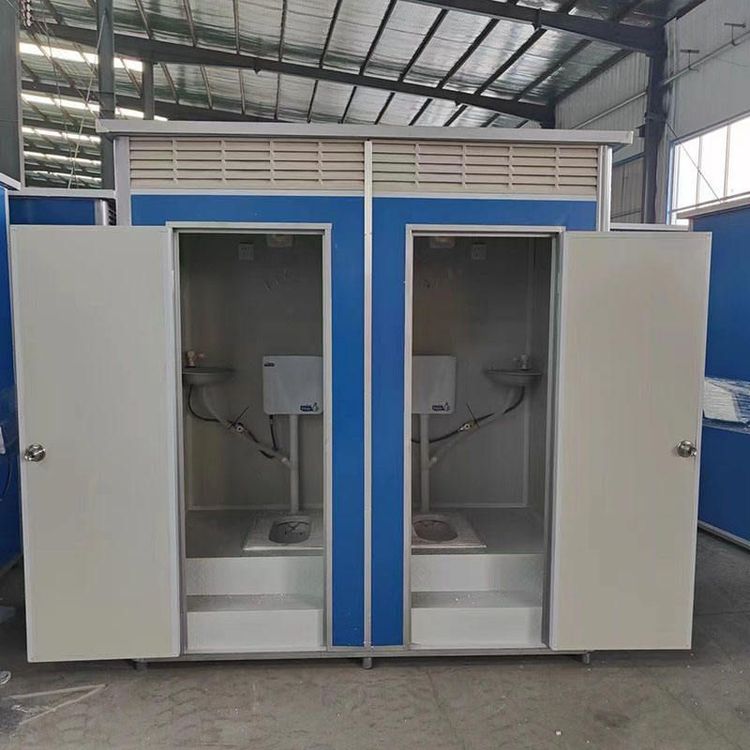
Portable Toilet Design Custom & OEM: Design & Bulk Production Guide
Read More