
Mobile Toilet with Septic Tank
A mobile toilet with a septic tank is a sanitary facility that operates independently without relying on external septic tanks or water and electricity supplies, utilizing built-in fecal and water tanks. Its core design concept is to meet toilet needs in temporary or mobile scenarios through modular structures while considering environmental protection and convenience. The following provides an explanation from the perspectives of structure, function, classification, and typical application scenarios:
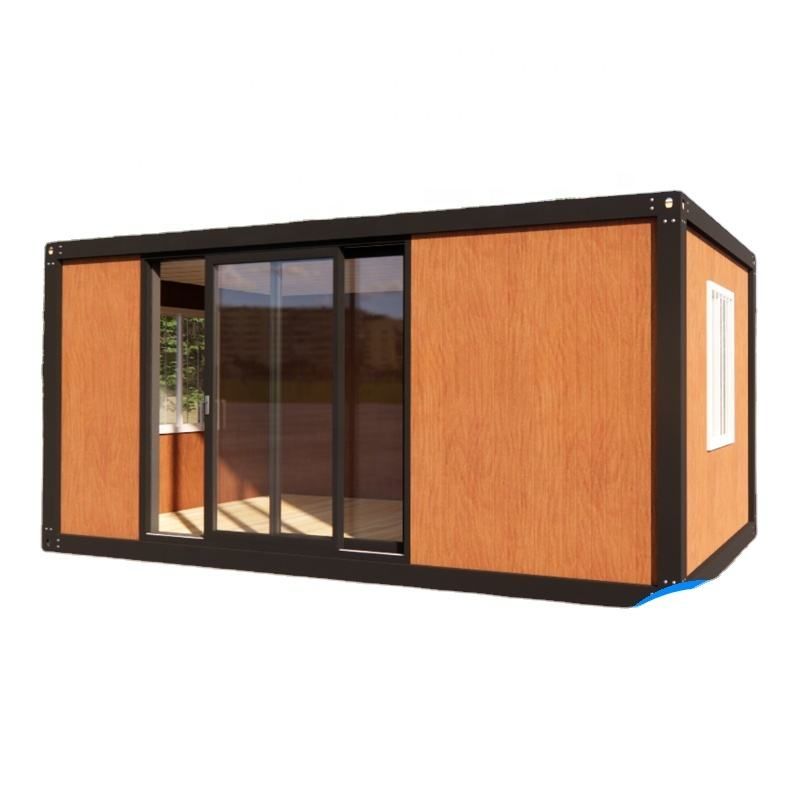
I. Structural Composition and Functional Implementation
A mobile toilet with a septic tank typically consists of six core modules:
- Fecal and Sewage Storage System: This includes a fecal tank (or fecal sewage disposal unit) and a sewage tank. The fecal tank is made of high-density polyethylene and other corrosion-resistant materials, with capacities ranging from 100 to 500 liters depending on the model. It is sealed to prevent odor leakage. Some high-end models are equipped with biodegradation or chemical treatment devices to reduce fecal volume and inhibit pathogen growth.
- Sanitary Ware System: Primarily featuring foot-operated squat toilets or water-saving sit toilets, it achieves separation and flushing of fecal matter and clean water from the water tank through gravity or mechanical pressure. For example, a certain model uses vacuum suction technology, consuming only 0.5 liters of water per flush, far less than the traditional 6-liter standard.
- Water Supply System: The built-in water tank typically has a capacity of 200 to 800 liters, meeting the needs of 50 to 200 users. The tank is equipped with a liquid level sensor. When the water level falls below the threshold, it can be replenished from an external water source or the flushing function can be turned off to extend usage time.
- Structural Framework: Lightweight aluminum alloy or high-strength plastic is used as the skeleton, covered with UV-resistant polyethylene panels. This ensures structural strength while reducing overall weight (usually between 100 and 300 kilograms), facilitating hoisting or towing.
- Auxiliary Systems: These include adjustable gender signs, ventilation exhaust fans, LED lighting, and anti-slip flooring. Some models are also equipped with solar panels to power nighttime lighting or sensors, further reducing reliance on external energy sources.
II. Technical Classification and Applicable Scenarios
Based on sewage treatment methods, mobile toilets with septic tanks can be classified into three types:
- Water-flush and Waterless Suction Types: These use high-pressure water pumps or vacuum pumps to suction fecal matter into the fecal tank, suitable for public places with high foot traffic (such as music festivals, construction sites). However, the fecal tank requires regular cleaning (usually every 3 to 7 days).
- Recirculating Water-flush Type: Equipped with membrane bioreactors or physical filtration devices, it purifies and recirculates flushing water, achieving a water-saving rate of over 90%. It is suitable for water-scarce areas or scenarios requiring long-term fixed use (such as toilets in remote scenic spots).
- Dry Packaging Type: This uses biodegradable plastic bags to collect fecal matter without water flushing. The fecal tank serves only as a storage container, suitable for extremely arid areas or regions without water and electricity access (such as desert research stations, post-disaster temporary settlements).
III. Typical Application Cases
Take a certain brand's model measuring 1.1m × 1.1m × 2.3m as an example. Its fecal tank has a capacity of 150 liters, and the water tank has a capacity of 300 liters, meeting the needs of 100 users. This model adopts a one-piece polyethylene molding process with seamless design to eliminate leakage risks. The foot-operated squat toilet is connected to the fecal tank via a U-shaped bend, utilizing gravity for automatic fecal matter sliding. In actual use, the fecal tank requires cleaning every 5 days (using a fecal suction truck or manual handling), while the water tank needs replenishment every 2 to 3 days depending on usage frequency. Such toilets have been widely applied in scenarios such as highway service areas, temporary exhibitions, and natural disaster relief, effectively addressing issues such as long construction periods, high costs, and environmental pollution associated with traditional toilets.



