
Back to blog
Article
Mobile Toilet Water Leakage
Admin September 20, 2026
Mobile toilet water leakage may be caused by reasons such as drainage port blockage, aging of sealant/seals, pipeline system problems, building structure or installation issues, and extreme weather conditions. It can be resolved through targeted maintenance, standardized use, and site selection optimization.
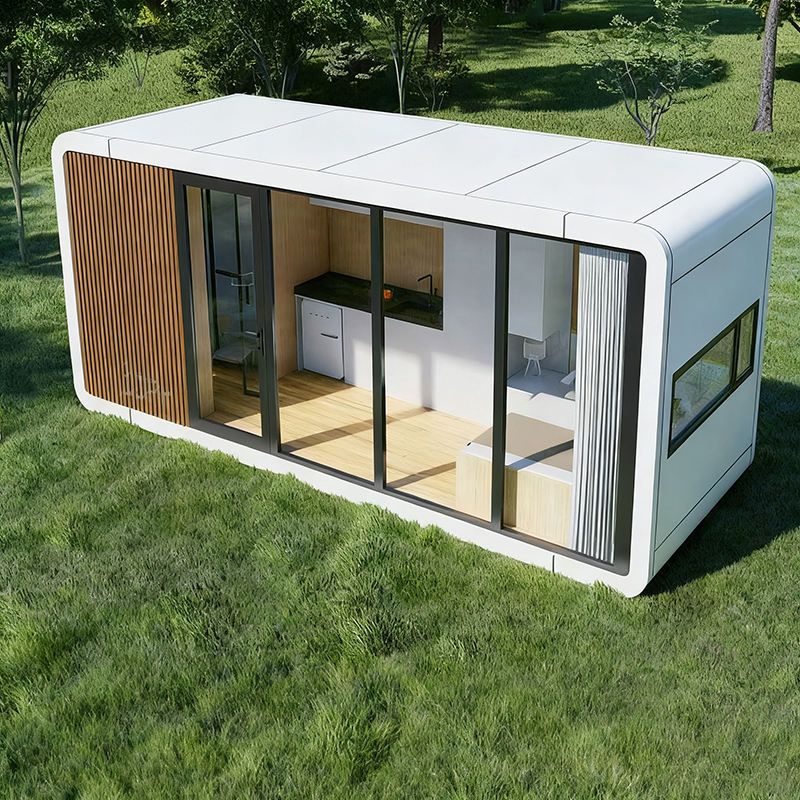
Common Causes of Water Leakage
- Drainage Port Blockage: During rainy days, the fast flow of surface water can cause leaves, mud, and other debris to block the drainage port, preventing accumulated water from draining out in a timely manner and causing it to back up into the toilet interior.
- Aging of Sealant/Seals: After long-term use, the sealant may crack, and the seals on equipment such as toilets and water tanks may gradually age due to moisture erosion, losing their sealing function and causing water to leak through gaps.
- Pipeline System Problems: Water pipes may be damaged by water pressure, water quality erosion, or loose or broken connections, especially being prone to freezing and cracking in winter. Poor sealing or unstable embedding at the connections of equipment such as toilets and water tanks can also cause leakage.
- Building Structure or Installation Issues: Wall cracks, ground settlement, unstable embedding of pipelines or equipment, as well as inadequate finished product protection or improper handling of pipeline penetration through floor sleeves, may all increase the risk of leakage.
- Extreme Weather Conditions: A large amount of rainfall in a short period may exceed the drainage capacity of the toilet, causing accumulated water to not drain out in a timely manner and resulting in leakage.
Countermeasures
- Scenic Spots/Usage Units: Regularly inspect the drainage system, clean debris from the drainage port, and replace aging sealant or seals. Before rainy days, inspect the toilet drainage system, immediately place warning signs and arrange for repairs if water leakage is found. When selecting a site for mobile toilets, try to choose locations with higher terrain and smooth drainage, avoiding low-lying and waterlogged areas.
- Tourists/Users: Do not trample on the top of the toilet randomly to avoid damaging the waterproof layer. If water leakage or accumulation is found, contact the scenic spot staff promptly for handling. Operate the flushing and drainage systems according to instructions to avoid water leakage caused by improper operation.
- Long-term Maintenance Recommendations: Regularly inspect pipelines, seals, and the waterproof layer, clean drainage pipelines in a timely manner, and repair aging or damaged components. If the leakage is severe, contact professional maintenance personnel to investigate structural issues.



