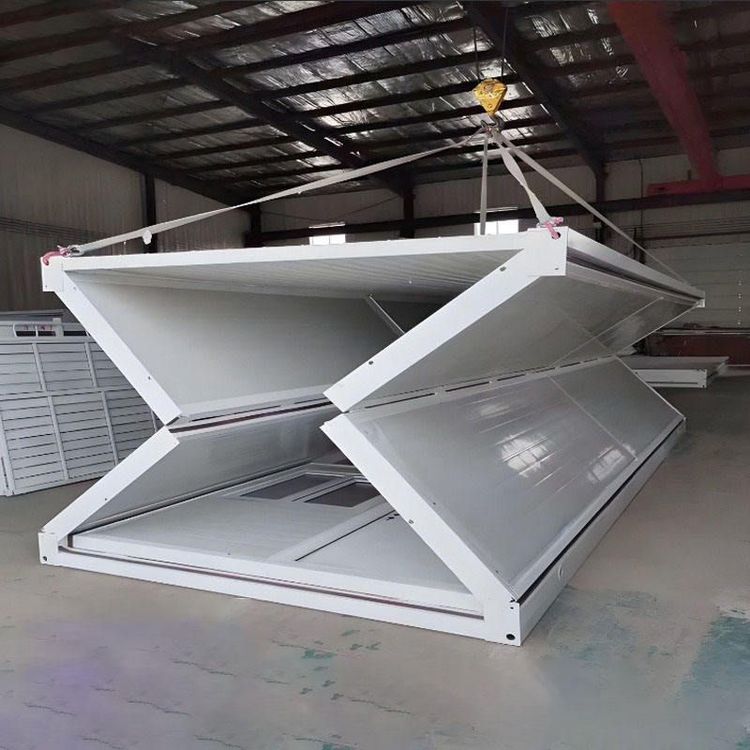
Mobile Toilet Transportation Accidents
In recent years, mobile toilet transportation accidents have occurred frequently, mainly involving issues such as equipment fixation defects, violations of operational procedures, and the lack of emergency mechanisms. Here is an analysis of specific accidents and safety insights:
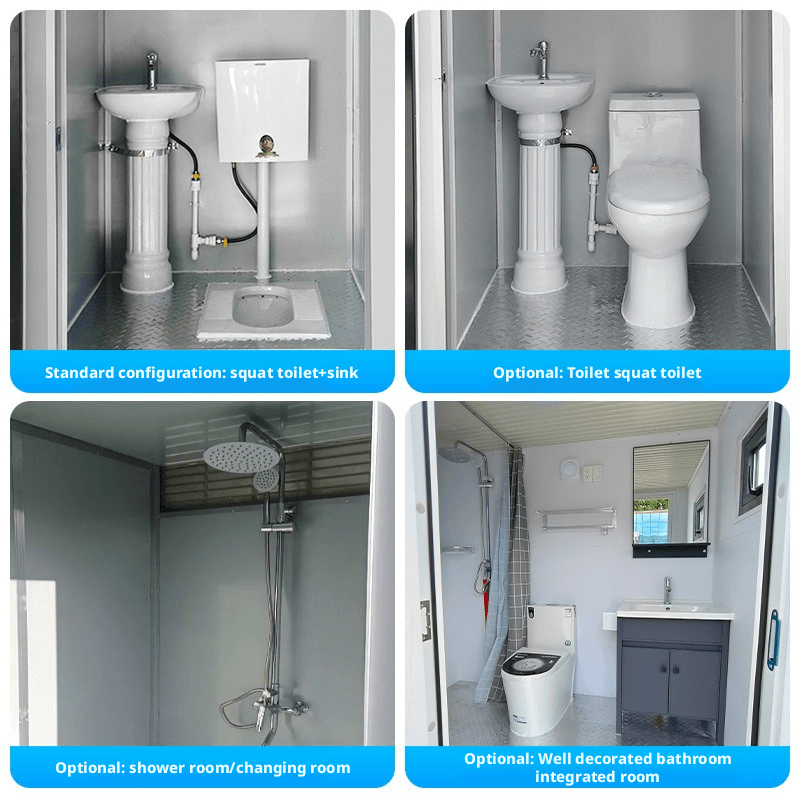
1. Arkansas, USA Accident: Fixation Failure Leads to Fatal Collision
On July 24, 2026, a truck transporting a mobile toilet in Arkansas had the toilet fall onto the highway due to a failure of its fixation device while driving. A car behind was unable to avoid it and crashed, resulting in the death of the driver. The core issue of the accident lies in the unreliable fixation measures during transportation, which may have been caused by improper bundling methods, insufficient strength of the fixation points, or lack of regular inspections, leading to detachment. Additionally, the fall of the mobile toilet, as a large object, posed a serious threat to vehicles behind, exposing the transportation company's loopholes in implementing cargo fixation standards.
2. Wuhan and Hebei Incidents: Violations of Operations and Lack of Emergency Measures Result in Personnel Being Trapped
Both incidents occurred on May 11, 2025, and shared similarities:
- In the Wuhan incident, the mobile toilet was only connected to the ground with a simple hook and was not equipped with an anti-dragging device. The truck driver dragged it onto the highway without inspection, resulting in a woman inside the toilet being trapped for nearly 20 minutes. The key issues were equipment design defects (no anti-dragging device) and the lack of operational procedures (failure to check the connection status).
- In the Hebei incident, the transportation driver at the highway service area skipped the "three-round inspection around the site" procedure and dragged the toilet away directly with a hooked vehicle, trapping a woman for 23 minutes. The core issues were that the operational procedures were merely a formality, and the toilet was highly enclosed with no emergency call device, making it difficult to call for help.
Both incidents reflected the transportation company's neglect of safety procedures and the deficiencies in the design of mobile toilets in emergency scenarios.
3. Commonalities of Accidents: Triple Loopholes in Fixation, Operation, and Emergency Response
- Fixation measures: Professional bundling tools (such as chains and fasteners) should be used and regularly inspected to avoid unreliable methods like simple hooks.
- Operational norms: A complete inspection procedure (such as an inspection around the site and confirmation of the connection status) must be carried out before transportation, and skipping steps should be杜绝 (eliminated).
- Emergency design: Mobile toilets should be equipped with emergency call devices, ventilation systems, and ensure mobile phone signal coverage to ensure that trapped personnel can call for help in a timely manner.
4. Safety Recommendations: Strengthen Supervision and Technological Upgrades
- Transportation companies: Need to establish standardized operational procedures, regularly train drivers, and be equipped with professional fixation equipment.
- Regulatory authorities: Should formulate safety standards for mobile toilet transportation, clarify fixation methods, inspection procedures, and emergency configuration requirements.
- Designers: Should optimize the structure of toilets, add anti-dragging devices, emergency exits, and signal enhancement equipment to reduce the risk of personnel being trapped.
These accidents serve as a warning that safety measures for mobile toilet transportation need to be strengthened throughout the entire chain from equipment and operations to supervision to avoid tragedies caused by negligence.