Mobile Toilet Transparent Window
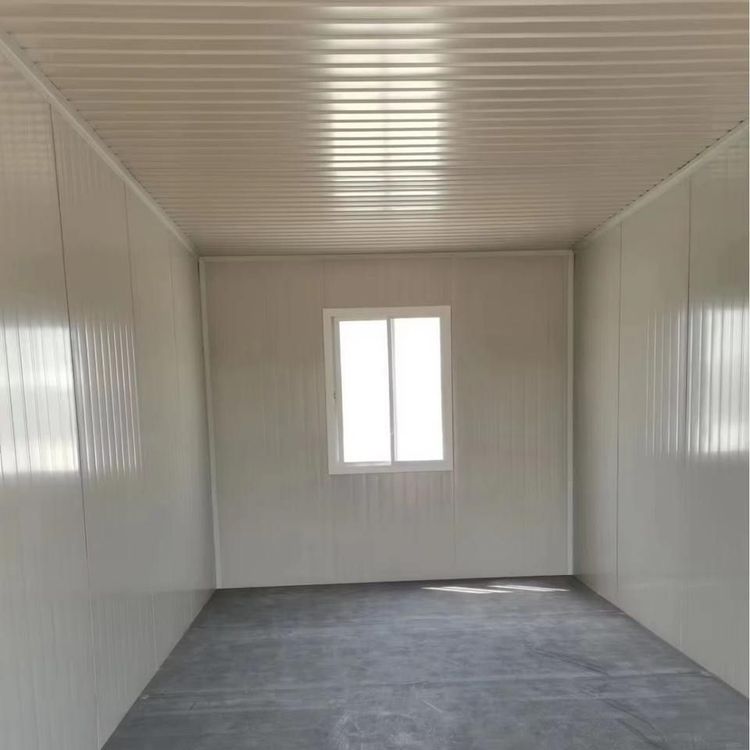
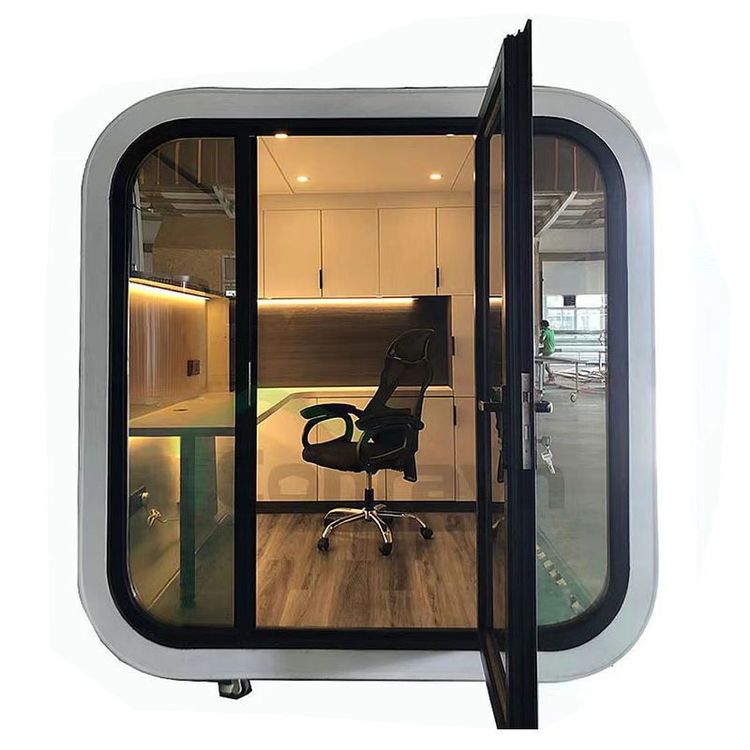
The issue of transparent windows in mobile toilets primarily involves a lack of privacy protection, which may result from improper design, installation, or material selection, necessitating improvements in window types and installation standards.

The emergence of transparent windows in mobile toilets, leading to exposure during the toilet-using process, centers on the absence of privacy protection measures. According to feedback from citizens, transparent windows are left without any遮挡 (obstruction/blocking, here we use 'obstruction' for better context in English) treatment, resulting in the upper body of toilet users being clearly visible, especially in crowded public places, seriously infringing upon personal privacy. Such design flaws may stem from the following reasons:
Incorrect Glass Installation Direction
Some netizens speculate that the window glass may have been installed backwards. Normally, one-way perspective glass or frosted glass should ensure that visibility is from the inside out, with the outside unable to see inside. If the installation direction is reversed or one-way perspective technology is not employed, privacy leaks can occur. For example, ordinary transparent glass, if not specially treated, provides completely symmetrical visibility from both sides, failing to meet privacy needs.Improper Application of Reflective Film
Another speculation is that the windows are covered with reflective film, but without considering differences in light intensity. Reflective film typically relies on differences in light intensity to achieve one-way perspective: during the day, when external light is strong and internal light is dim, the outside cannot see inside; however, at night when internal lights are on, the light situation reverses, and the internal situation may become visible from the outside. If mobile toilets are not equipped with light-blocking curtains or if the reflective film parameters are not adjusted, such issues become particularly prominent at night.Missing or Inadequate Acceptance Procedures or Standards
Netizens question how such facilities could be put into use, reflecting potential loopholes in the acceptance process. Public facilities need to pass multiple standard tests for privacy, safety, ventilation, etc., but the issue of transparent windows indicates that the acceptance process may not have rigorously tested actual usage scenarios or lacked quantitative indicators for privacy protection (such as glass light transmittance,视线 (visibility, here we use 'line of sight' obstruction effect, etc.).
Solutions should focus on materials and installation standards:
- Adopt frosted glass or one-way perspective glass: For example, mobile toilet-specific plastic-steel inward-tilting windows equipped with frosted glass can completely block the line of sight while ensuring ventilation.
- Add physical obstruction devices: Such as adjustable light-blocking curtains or electric frosted glass to adapt to different times and light conditions.
- Improve acceptance standards: Clearly define parameters such as glass light transmittance and line-of-sight obstruction angles, and conduct tests simulating actual usage scenarios.
Such issues require a dual approach of technological improvement and strengthened supervision to prevent repeated privacy leak incidents.