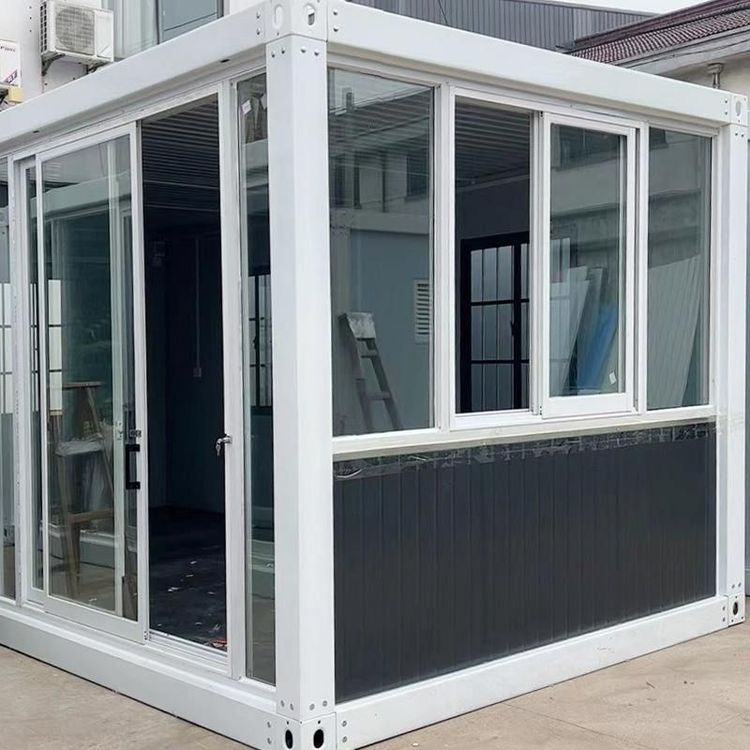
How to Insulate a Mobile Toilet
The thermal insulation of mobile toilets is mainly achieved through methods such as using sandwich panel structures, special filling materials, combinations of metal carved panels and rock wool, and paying attention to structural joints.

Using sandwich panel structures: This is one of the key methods for thermal insulation in mobile toilets. The outer layer is typically made of a metal surface, which offers excellent waterproof and corrosion-resistant properties while providing sturdy support for the entire structure. The middle layer employs thermal insulation core materials, commonly polyurethane foam or extruded polystyrene (XPS). Polyurethane foam is characterized by high density and a high closed-cell ratio, resulting in extremely low thermal conductivity. In winter, it effectively prevents the conduction of cold outside air into the toilet interior, maintaining a relatively stable internal temperature. In summer, it significantly reduces external heat radiation, lowering the internal temperature of the toilet and providing a comfortable environment for users.
Special filling materials: The moisture-proof and thermal insulation layer achieves its function through specially designed and selected filling materials. These materials ensure the stable operation of mobile toilets within a wide temperature range of -30°C to 40°C. Whether in the cold winters of the north or the hot summers of the south, they effectively block the influence of external temperatures on the interior of the toilet, ensuring a suitable internal temperature.
Combination of metal carved panels and rock wool: The exterior wall uses metal carved panels with a thickness of 7.5 millimeters, which are not only aesthetically pleasing but also possess certain strength and durability. The interior is filled with rock wool sound insulation layers. Rock wool has excellent thermal insulation properties, effectively blocking the transfer of external heat. Additionally, rock wool provides sound insulation, reducing interference from external noise and creating a quiet and comfortable environment for users.
Paying attention to structural joints: Mobile toilets are usually assembled from multiple panels, and the sealing of the joints has a significant impact on thermal insulation performance. If areas such as sealing strips, hinges, and gaps around door frames are not properly handled, heat loss can occur. High-quality mobile toilets place great emphasis on sealing techniques, often installing thermal insulation dampers at exhaust fans. By keeping these dampers closed under normal circumstances, heat loss through the exhaust fans can be effectively reduced, further improving the thermal insulation performance of mobile toilets.